



Games and software could all become open source
Opus 5.5 could mark a turning point for software, games, animation, educational videos and music videos. All games and software could soon become open source, while the model itself could quickly be overtaken by the pace of AI.
Superintelligence could solve everything by 2030
By 2030, superintelligence could solve mathematics, science and, in the broadest formulation, everything: a prediction that casts that year as an end point.
Reliable, well-maintained software still has value
Cheaper software and content creation do not make reliable, maintained products worthless. Restaurants still have customers even though people can cook at home; similarly, people pay for someone else to handle testing, security and updates, save them time and provide a polished experience.

Being genuinely happy for other people’s success
Being genuinely happy when good things happen to other people is an underrated life skill: sharing in someone else’s good fortune matters.

Within six months, a teenager could start a religion
As a joke, AI is moving so fast that, within six months, a teenager could build a multibillion-dollar company from his bedroom, replace 40,000 employees, crash the stock market and accidentally start a religion.
Free, open-source alternatives to Microsoft Office
A developer reportedly used AI to reverse-engineer Microsoft Office and release free, open-source alternatives to Word, Excel and PowerPoint. The project is not identified and no links to its code are provided.
Taste may not be a permanent boundary for AI
There is no longer a compelling reason to consider taste a boundary that language models cannot cross. That boundary may already be giving way.


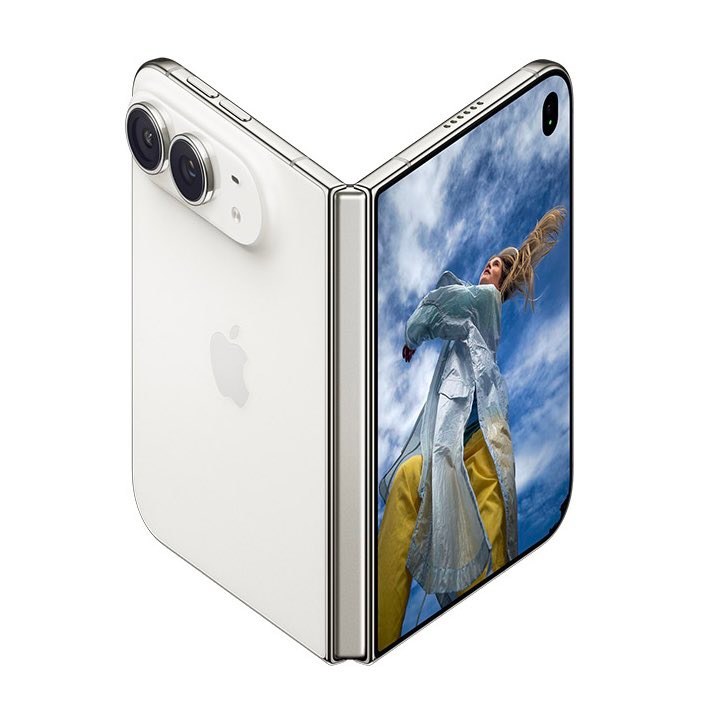


The Play Store reportedly allows private publishing of AI-made apps
Google reportedly allows people without programming experience to create apps with AI and publish them privately through the Play Store. This is private distribution, not unrestricted access to the public catalogue.
A hidden recording device in an OpenAI office
OpenAI says it found a hidden recording device and used its models to identify an employee, who was dismissed. The company reports an FBI arrest and an ongoing investigation. It says it has no indications of improper access to or extraction of model weights, source code or customer data.
Our first AI assistants will look like the Stone Age to our children
Telling our children about early conversational AI, without web access, lasting memory or the ability to act on our behalf, could one day make us sound as if we lived in the Stone Age compared with future systems.
AI could make a GTA 6 rival by early 2027
By early 2027, AI could be able to make a game as good as GTA 6. This is a forecast about game development, not a description of a game already produced.
You need no degree to own a business, but often need one to work for it
Owning a business requires no degree, while working for a business owner often comes with a demand for one.
Five hours with Muse Wonder, then back to Codex and Claude Code
A five-hour trial of Muse Wonder ended with the planned video being abandoned and a return to Codex and Claude Code. The aspects of the experience behind that decision are not specified.
A future of work built around one-person businesses
Within five years, most people could become entrepreneurs. In this view, AI would reduce many office jobs and favour one-person businesses, autonomy and creativity, placing ownership of a business at the centre of working life.


Half an hour of hands-free AI errands
A half-hour call with @bot reportedly covered emails, a calendar, a work proposal and bookings, all hands-free while a baby slept on the caller’s chest. The experience is described as a taste of artificial general intelligence.




From a car you drive to a computer chauffeur
The scale of the AI shift may still be underappreciated. Apps, jobs and businesses built around human clicking could be rethought, while the computer could change from a car we drive into a chauffeur we simply give a destination.


Our Picks
Ideas, videos and reflections that caught our eye. Every card links to the original content and its author.
The Gemini 4 Argon rollout begins
Gemini 4 Argon is officially rolling out. Access times, supported countries and available features are not specified.
A station platform that seems to stretch and shrink
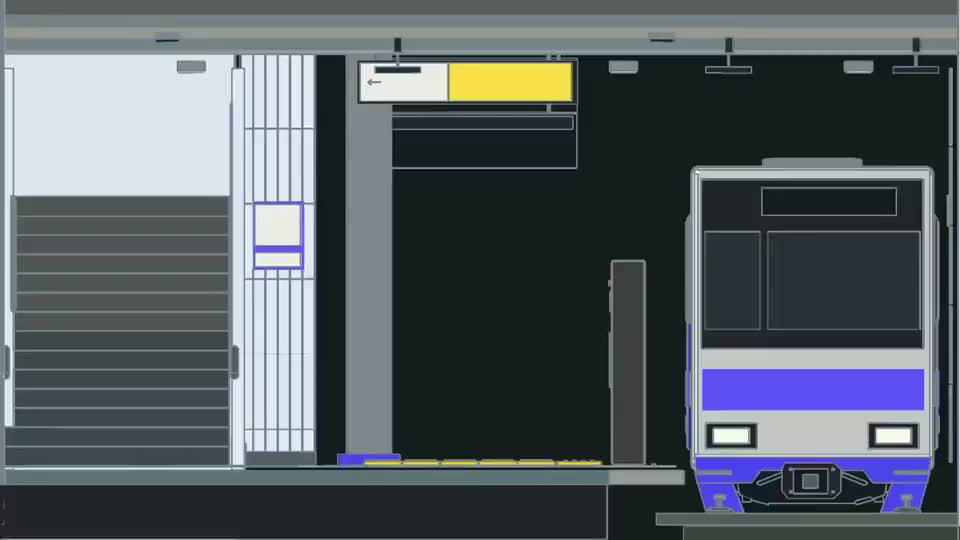
A visual experiment alters the sense of depth to create the impression of a station platform stretching and shrinking.
Images and video turned into digital paintings
A digital painting tool turns images, video and webcam input into code-generated visuals. It is described as free, browser-based and requiring no uploads, and its source code is also available.
Four AI models experiment with a 3D cassette effect
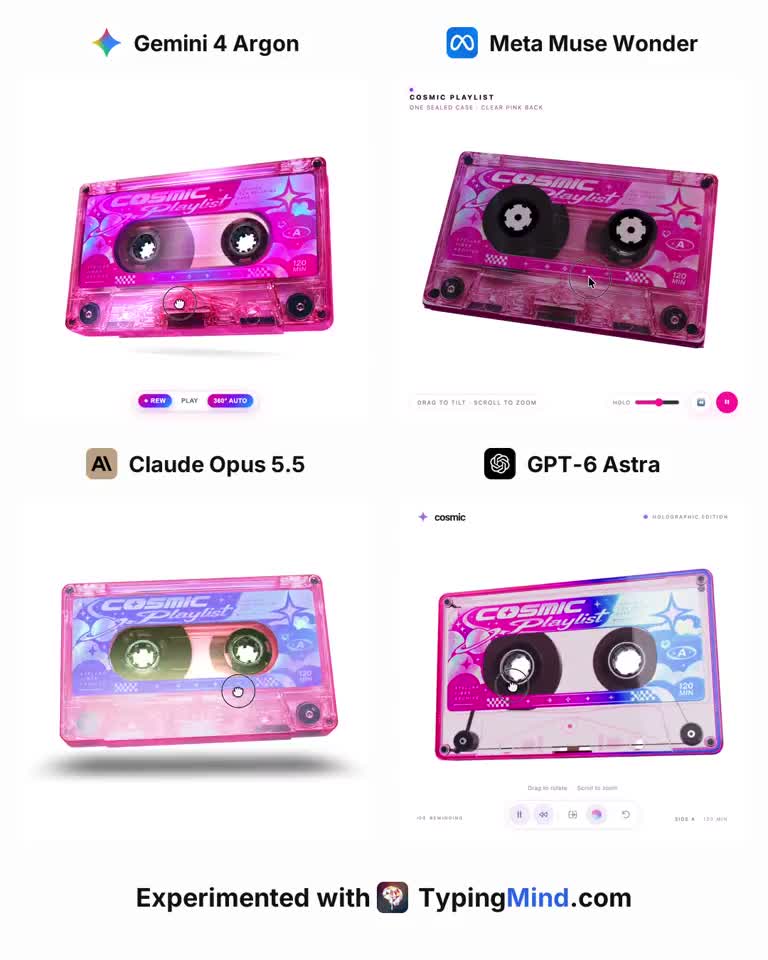
Gemini 4 Argon, Muse Wonder, Claude Opus 5.5 and GPT 6 Astra were asked to develop a three-dimensional cassette effect further. The result is striking.
A video rebuilt with vector graphics in around twenty minutes
Gemini 4 Argon reportedly recreated a video as clean vector frames rather than pursuing photorealism. The first attempt reportedly took around twenty minutes without follow-up instructions, with a side-by-side comparison to the original included.
Games and software could all become open source
Opus 5.5 could mark a turning point for software, games, animation, educational videos and music videos. All games and software could soon become open source, while the model itself could quickly be overtaken by the pace of AI.
Superintelligence could solve everything by 2030
By 2030, superintelligence could solve mathematics, science and, in the broadest formulation, everything: a prediction that casts that year as an end point.
Reliable, well-maintained software still has value
Cheaper software and content creation do not make reliable, maintained products worthless. Restaurants still have customers even though people can cook at home; similarly, people pay for someone else to handle testing, security and updates, save them time and provide a polished experience.
Square’s kiosk for food businesses of any size
Square’s kiosk is offered for food establishments of any size. Thomas Templeton introduces the device and says people can talk to it: an example of intelligence brought into the physical world.
Business data and workflows as AI businesses’ next asset
After two days of meetings in San Francisco, data, AI agents and increasingly easy-to-copy software suggest that value may shift towards business data and workflows. Customer retention, security and distribution remain central challenges for founders.
SFX 2.0 generates synchronised sound for video
The stated features of SFX 2.0 include analysing videos, removing unwanted music and generating synchronised sound effects while preserving dialogue. The service is announced as available through an API, Runway and fal, with other platforms planned later.
A consistent background for two angles with Gemini
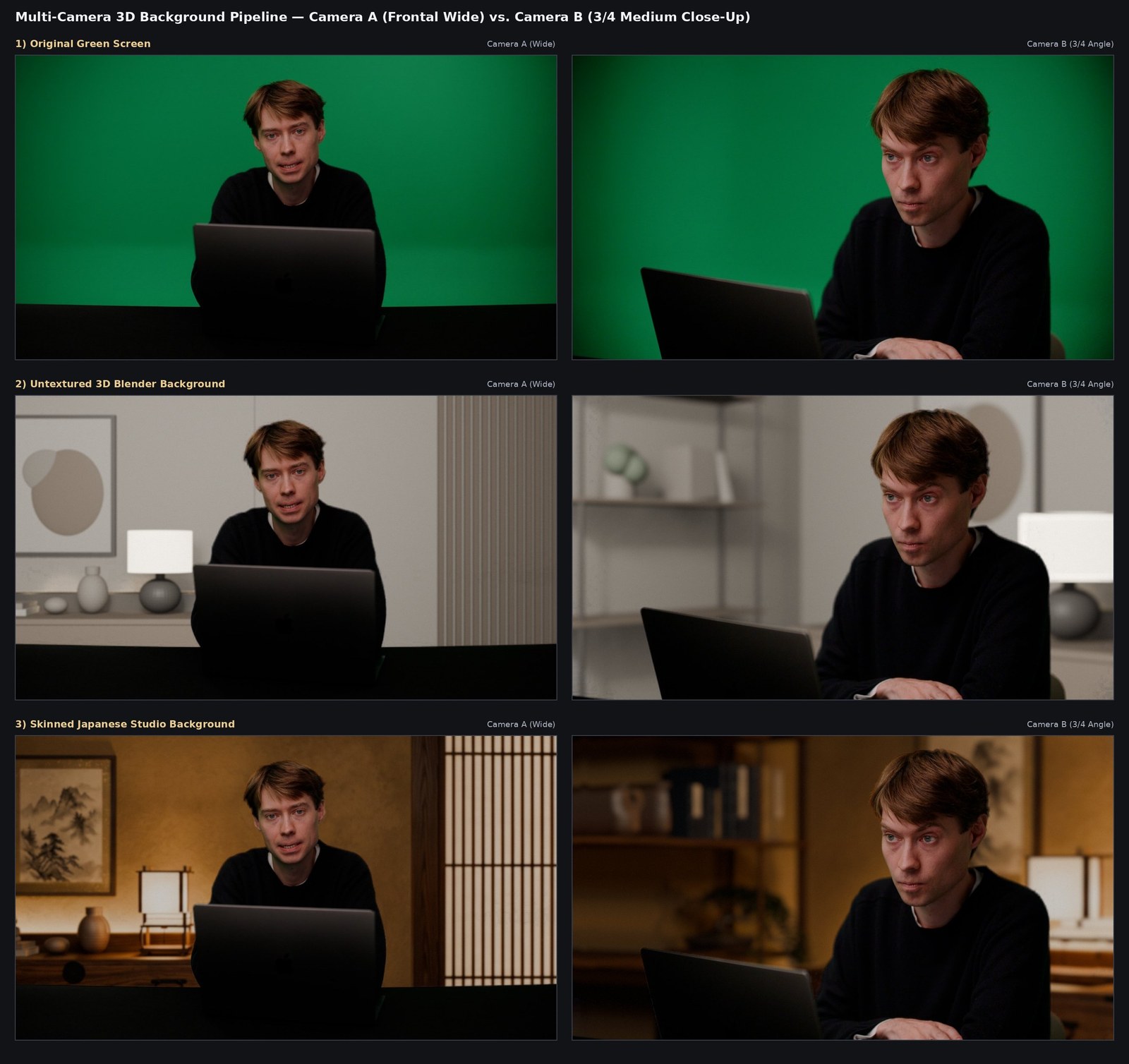
Two green-screen stills, a Blender room, matching camera angles, a Nano Banana finish and compositing into the original video: the reported result with Gemini 4 Argon is a background that is consistent and accurate across both angles.
Separating music from sound effects in AI videos
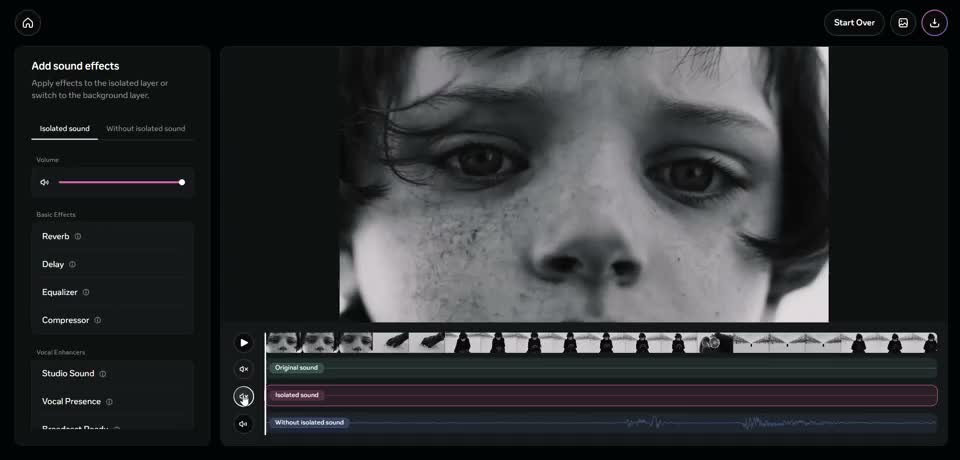
With SeeDance 2.5, requesting sound effects without music does not work as it did with the previous version. SAM Audio can isolate and remove unwanted music, keeping the effects before a separately chosen soundtrack is added.
Being genuinely happy for other people’s success
Being genuinely happy when good things happen to other people is an underrated life skill: sharing in someone else’s good fortune matters.
With more AI, vision and ambition could become scarce
As intelligence becomes more abundant, vision and ambition could become the scarce resources. The question becomes what future people want to build and how they want to shape it; AI could also make it possible to imagine bigger ambitions.
A virtual council of seven agents for testing ideas
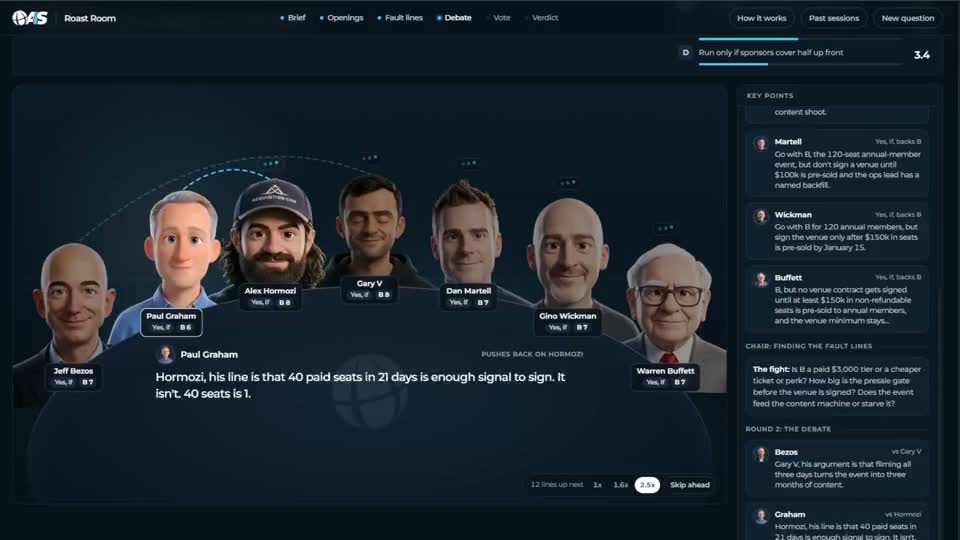
nateherk’s Claude skill puts ideas before seven agents inspired by entrepreneurs and investors. According to its creator, each examines a question about demand, pricing, attention, operations or risk before they debate and deliver a final verdict.
Testing GPT-6 Astra with an After Effects edit
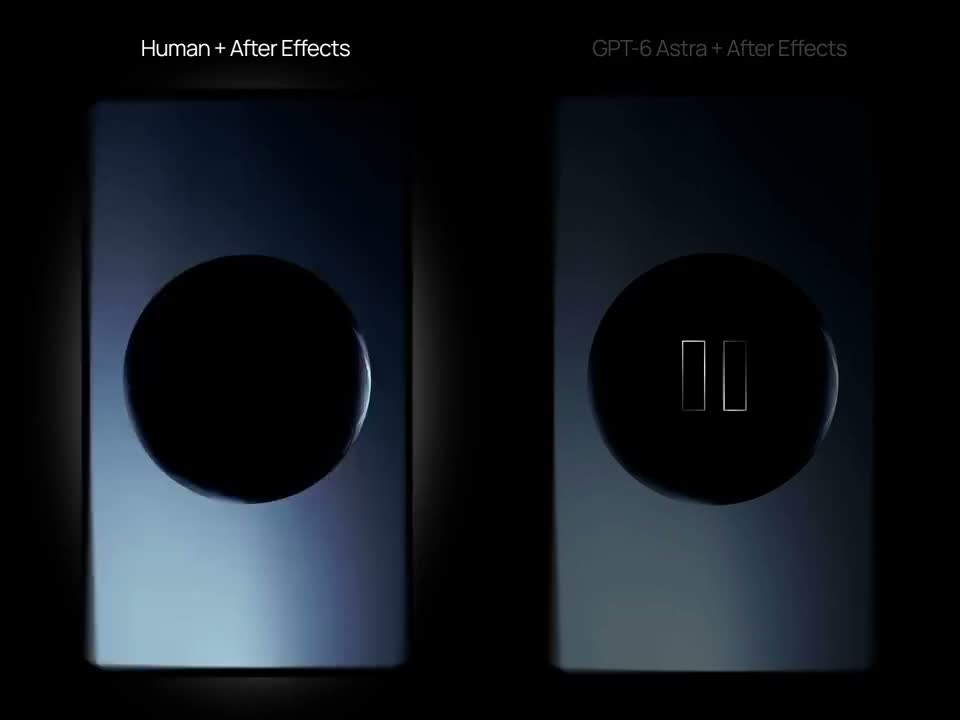
A fast-paced edit is uploaded to Codex to test GPT-6 Astra: analyse it and rebuild it in After Effects, using the same footage and sound effects, in one attempt and without further instructions. The question remains whether Opus 5.5 could do better.
A 3D apartment model to control lights and air conditioning
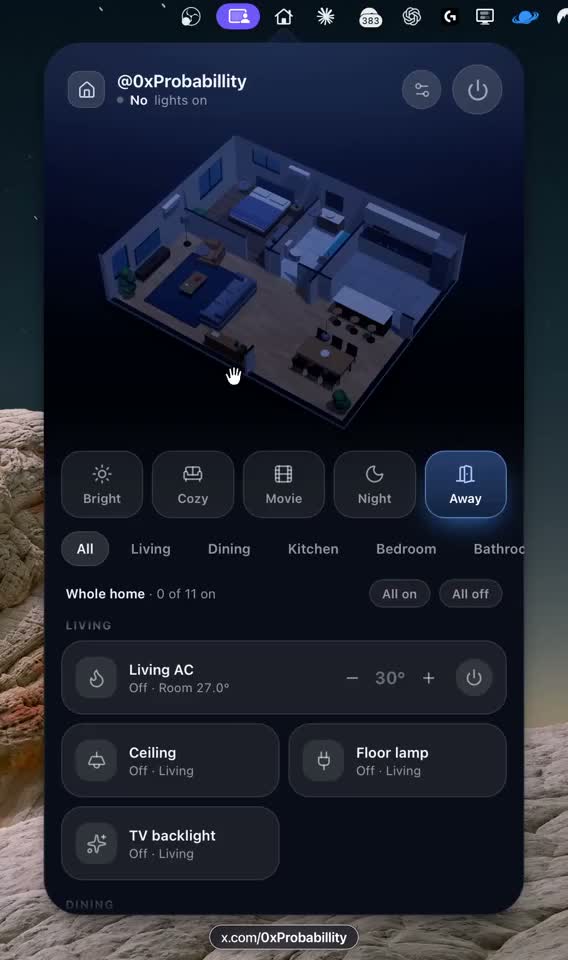
The claimed result is a menu-bar app containing a 3D model of an apartment, built after studying how its connected devices work. Clicking a lamp in the model reportedly switches on its real counterpart, with air-conditioning units included too.
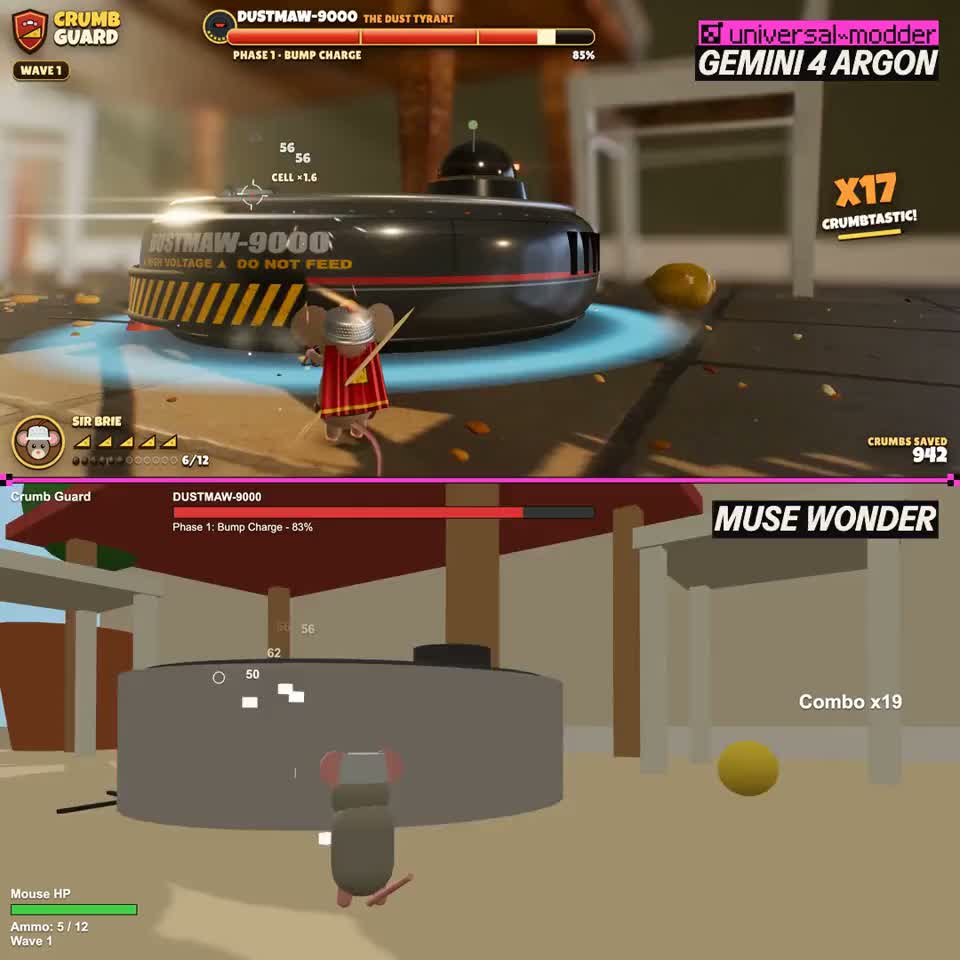
Gemini 4 Argon strongly preferred over Muse Wonder for games
In a personal comparison, the same prompt produced two completely different games with Gemini 4 Argon and Muse Wonder.
Wizard chess created with Gemini 4 Argon
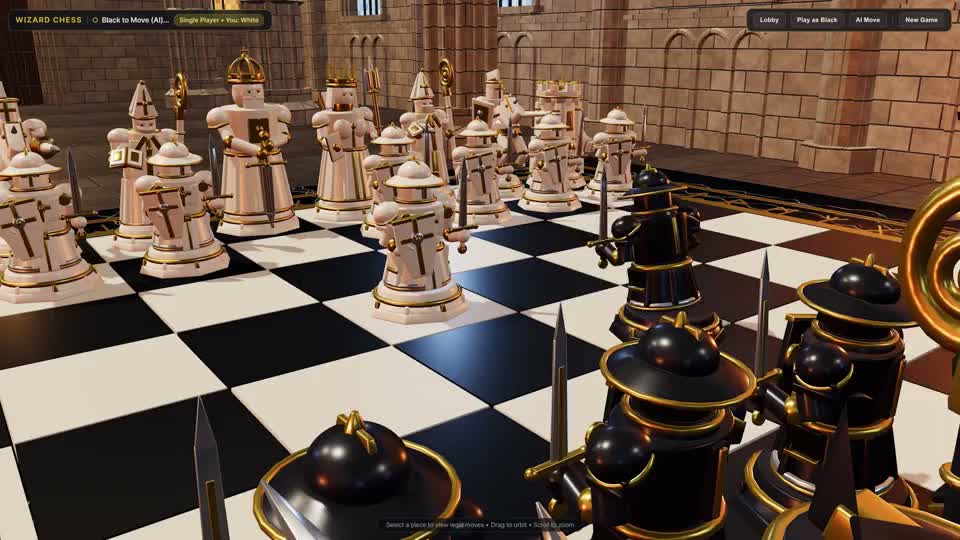
A wizard-chess game requested from Gemini 4 Argon impresses with its 3D modelling and understanding of physics, with a nostalgic echo of Battlechess on the Amiga. The start of a rollout to Google subscribers has also been announced.
Within six months, a teenager could start a religion
As a joke, AI is moving so fast that, within six months, a teenager could build a multibillion-dollar company from his bedroom, replace 40,000 employees, crash the stock market and accidentally start a religion.
Free, open-source alternatives to Microsoft Office
A developer reportedly used AI to reverse-engineer Microsoft Office and release free, open-source alternatives to Word, Excel and PowerPoint. The project is not identified and no links to its code are provided.
Taste may not be a permanent boundary for AI
There is no longer a compelling reason to consider taste a boundary that language models cannot cross. That boundary may already be giving way.
HomeView is what Apple should build
HomeView is the request for Apple. @johnternus introduces the name with a video.
A sphere called the ESP32 ball
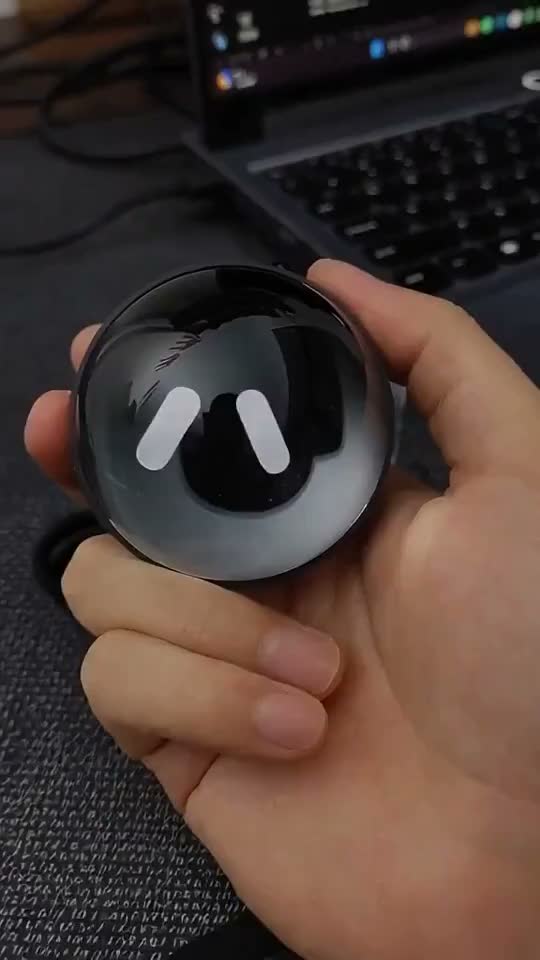
A short video presents a sphere called ESP32 ball, without specifying its functions, technical details or who invented it.
Higgsfield seems a good product despite the criticism
Why so much criticism of Higgsfield? The product seems good. The endorsement is declared unpaid, with a joke that, unfortunately, it is.
The start of John Ternus's era at Apple
The start of John Ternus's era at Apple is greeted with enthusiasm and amazement, without reference to specific events or products.
A possible unifying theory of biology for 2040
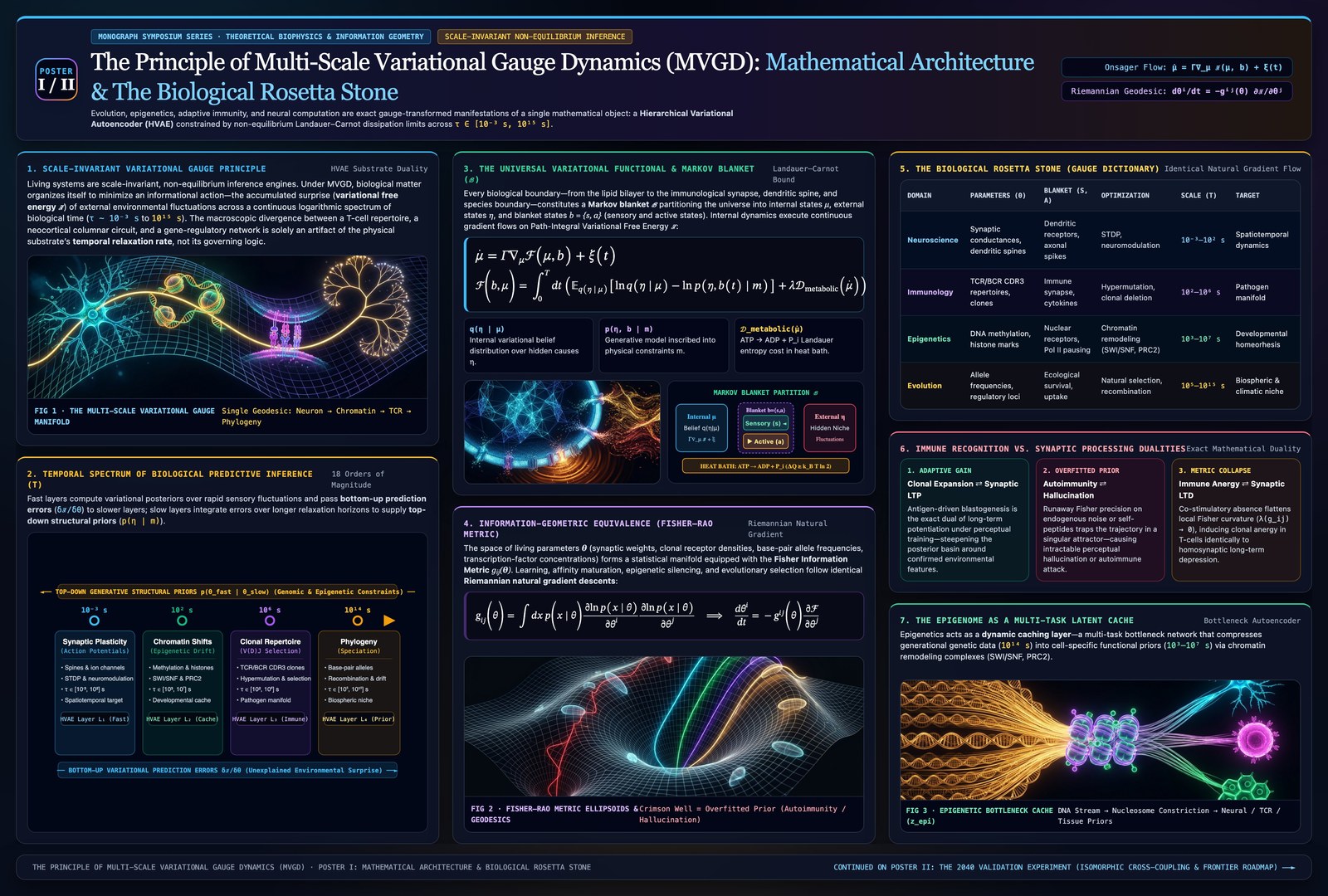
Gemini 4 Argon was asked for a possible unifying theory of biology for 2040, then for a poster and a simpler explanation. This is a speculative exercise, not a validated scientific theory.
Executives can sell better through posts than press releases
Executives may be able to communicate and drive product sales more effectively by posting directly on X than through press releases. The point accompanies congratulations to Sundar Pichai, whose quoted post announces Gemini 4 Argon's availability.
A video of text and shapes made with Gemini 4 Argon
A video featuring text and shapes made from characters was reportedly produced by Gemini 4 Argon in ten minutes. It cites OfficialLoganK's announcement of the model's launch, but the creation process is not documented.
The Play Store reportedly allows private publishing of AI-made apps
Google reportedly allows people without programming experience to create apps with AI and publish them privately through the Play Store. This is private distribution, not unrestricted access to the public catalogue.
Argon Tennis turns your phone into a racket
Argon Tennis is a game in which your phone acts as a racket. It opens a series of games made with Gemini 4 Argon, with prompts and code announced for playing or remixing them.
A hidden recording device in an OpenAI office
OpenAI says it found a hidden recording device and used its models to identify an employee, who was dismissed. The company reports an FBI arrest and an ongoing investigation. It says it has no indications of improper access to or extraction of model weights, source code or customer data.
Gemini 4 Argon's global rollout begins
Gemini 4 Argon's global rollout begins. The model is described as built for complex tasks in coding, finance, law, cybersecurity and science, with a thread introducing its uses across Google products.
Our first AI assistants will look like the Stone Age to our children
Telling our children about early conversational AI, without web access, lasting memory or the ability to act on our behalf, could one day make us sound as if we lived in the Stone Age compared with future systems.
Animation in 35 artistic styles with Claude Code
Huashu-art-motion is a tool for Claude Code that promises animations in 35 art styles, with controls over movement and the final result. The demo is described as made with Opus 5.5, and the code is available on GitHub.
AI could make a GTA 6 rival by early 2027
By early 2027, AI could be able to make a game as good as GTA 6. This is a forecast about game development, not a description of a game already produced.
You need no degree to own a business, but often need one to work for it
Owning a business requires no degree, while working for a business owner often comes with a demand for one.
You can simply ask for what you want
Sometimes, you can simply ask for what you want.
Five hours with Muse Wonder, then back to Codex and Claude Code
A five-hour trial of Muse Wonder ended with the planned video being abandoned and a return to Codex and Claude Code. The aspects of the experience behind that decision are not specified.
A future of work built around one-person businesses
Within five years, most people could become entrepreneurs. In this view, AI would reduce many office jobs and favour one-person businesses, autonomy and creativity, placing ownership of a business at the centre of working life.
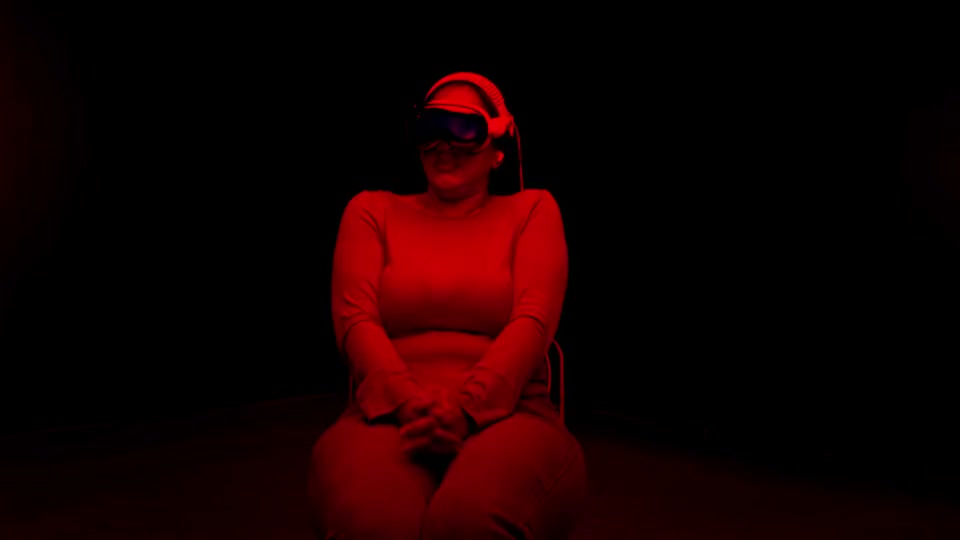
Remnants and Vision Pro shown on people
Showing Vision Pro being worn by people feels like the right choice. Apple TV presents reactions to Remnants, Ti West’s immersive horror film, and announces its arrival on Vision Pro on 16 October.
A 3D game claimed to have been developed in 16 days with Opus 5.5
A 7 pm release is announced for a 3D game said to have been developed entirely with Opus 5.5 over 16 days. The accompanying video looks at the settings, without providing further details about the game itself.
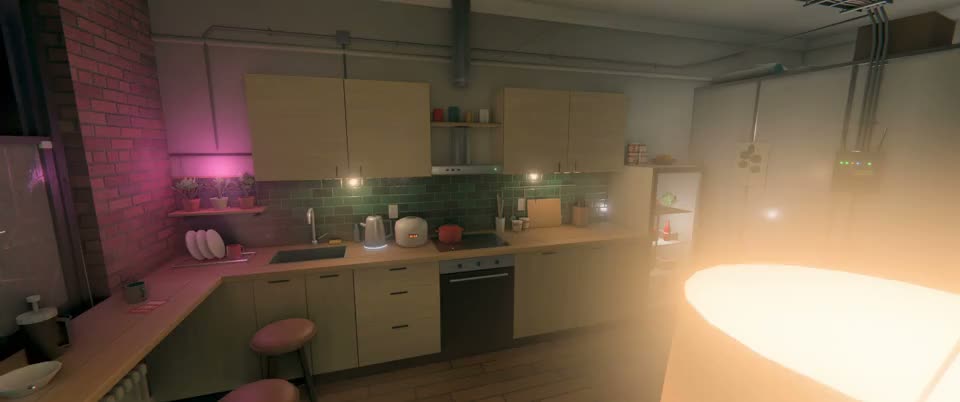
An apartment inside an evolving virtual world
An apartment in a virtual world impresses with its detail and Blade Runner atmosphere. The dance animations still need work.
MecAgent 2.0 after a year and a half of work
MecAgent 2.0 arrives after a year and a half of work. Its stated goal is to solve the difficulties of computer-aided design, though no specific features or measured results are set out.
Half an hour of hands-free AI errands
A half-hour call with @bot reportedly covered emails, a calendar, a work proposal and bookings, all hands-free while a baby slept on the caller’s chest. The experience is described as a taste of artificial general intelligence.
AI-generated worlds seem closer with StreamRender-H3
StreamRender-H3 appears to support predictions made four years earlier by early diffusion-model users. @xieenze_jr presents a system in which a game engine handles interactions while a model generates the visuals.
The Last Supper meets Produx in a video about brand identity
A web page bearing the name Produx, a scene recalling the Last Supper and close-ups of its figures form the backdrop to a message about brand identity. The caption is a dove emoji.
A video presented as the launch of Apple HomeView
The footage is presented as the launch video for Apple HomeView, without further details about the product’s features, availability or price.
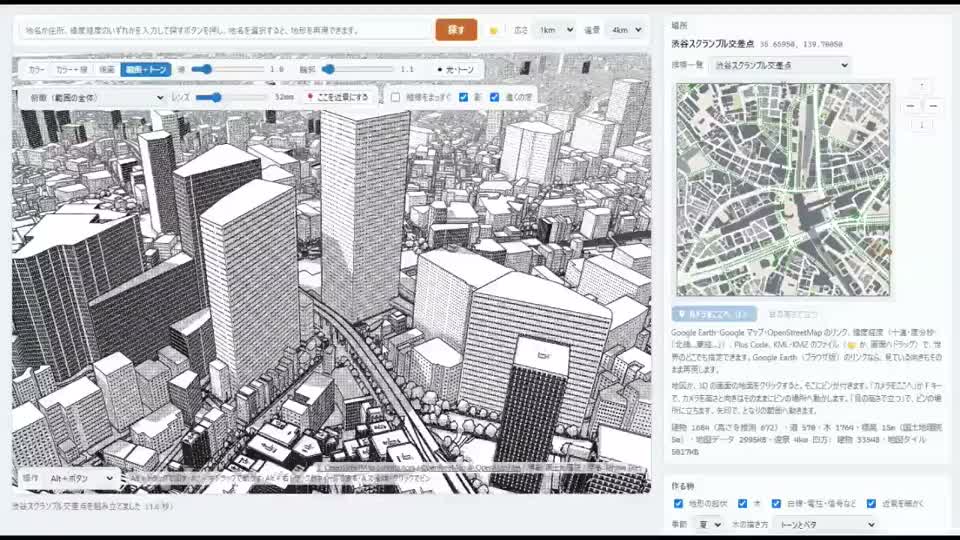
Map data for creating manga backgrounds
A free tool creates manga backgrounds from map data. Entering a place name or coordinates can reportedly recreate locations anywhere in the world. A link to the tool is included.
Stepping into the Ivan the Terrible painting in 3D
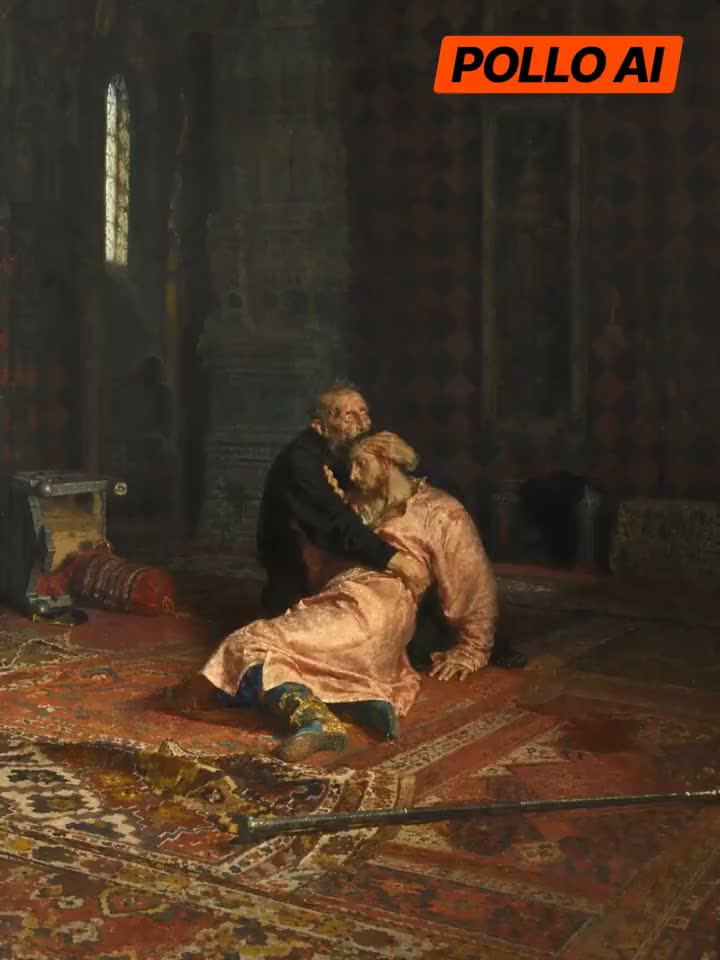
An experiment turns the Ivan the Terrible painting into a continuous journey through a three-dimensional space. Nano Banana 2.1 and Seedance 2.5, used through Pollo AI, are named as the tools behind the work.
Do not risk your health by counting on future AI cancer cures
The prospect of cancer treatments aided by superintelligence in 8–10 years remains a personal prediction, not an established deadline. Kalshi reports researchers taking up smoking in reliance on AI: risking health while waiting for future treatments would be a mistake.
From a car you drive to a computer chauffeur
The scale of the AI shift may still be underappreciated. Apps, jobs and businesses built around human clicking could be rethought, while the computer could change from a car we drive into a chauffeur we simply give a destination.
Four models tested with a holographic CD effect
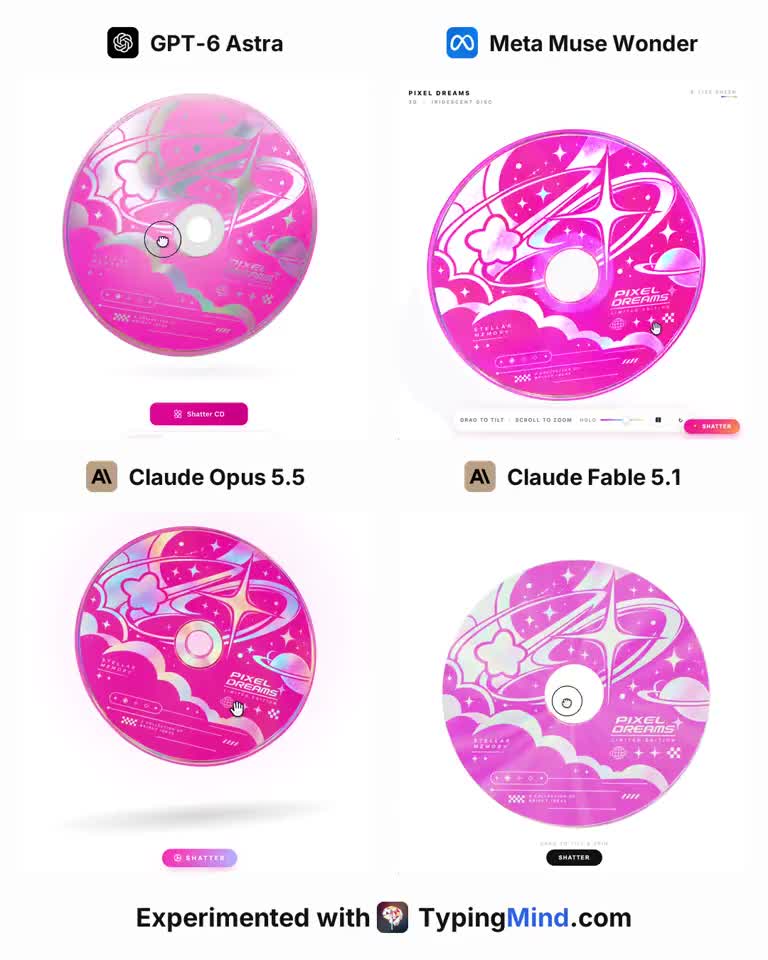
A holographic CD effect puts Muse Wonder, GPT-6 Astra, Claude Opus 5.5 and Claude Fable 5.1 to the test. Muse Wonder makes a favourable impression, alongside finkd’s announcement of the new model family.
The Little Prince becomes an explorable 3D story game
The Little Prince Across the Stars was reportedly made in 16 days as a 3D story game using Opus 5.5, Tripo and Blender. The story’s planets become explorable scenes, with the source code and detailed workflow planned for release later.
Welcome, Apple HomeView
HomeView receives a short welcome message accompanied by a video, with no further details about features, availability or price.
HomeView already feels worth buying immediately
HomeView would be worth buying immediately and would make for a good start for John Ternus as chief executive: an enthusiastic judgement without further product details.
Atlas makes image-to-3D feel essentially solved
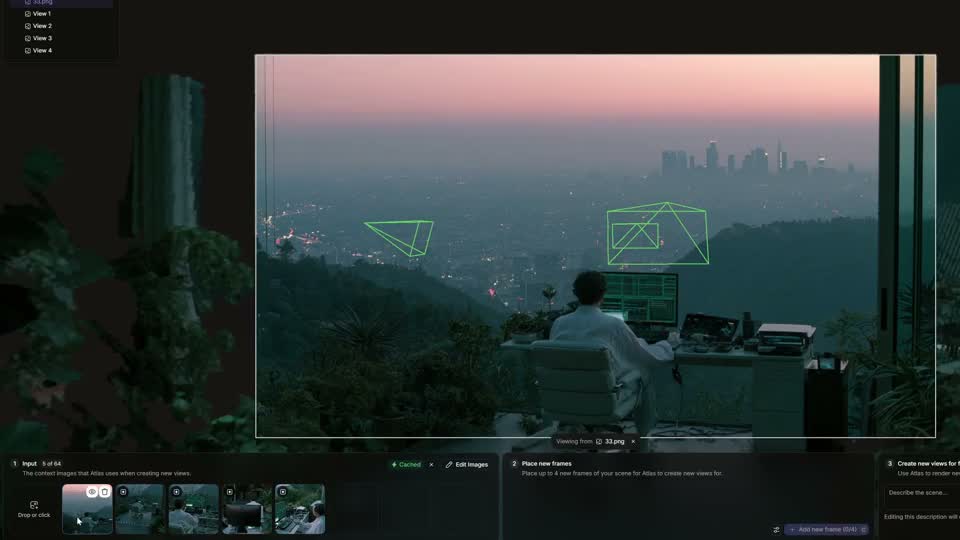
Early tests of World Labs’ Atlas, using an image generated with MJ 8.1 as input, leave an enthusiastic impression: image-to-3D conversion is considered essentially solved.
Windows XP inside a post: the experiment works
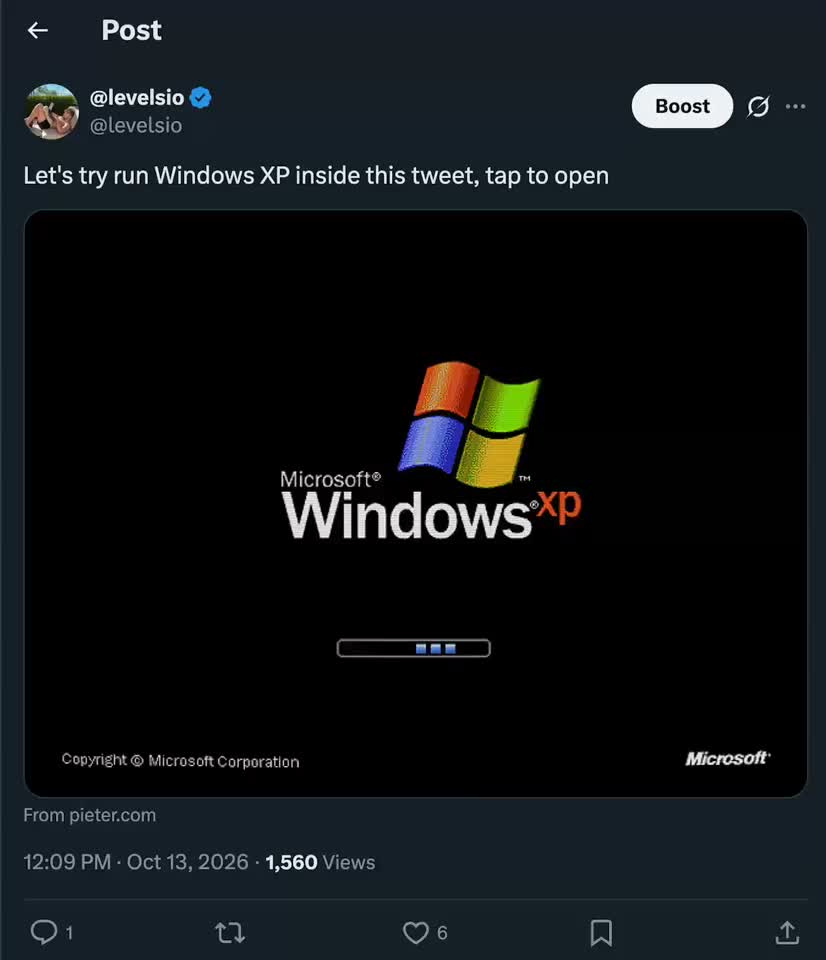
The experiment running Windows XP inside a post reportedly works. The update links back to the initial attempt, which included a link to the experiment.
12 Claude Code agents build a browser simulation lab
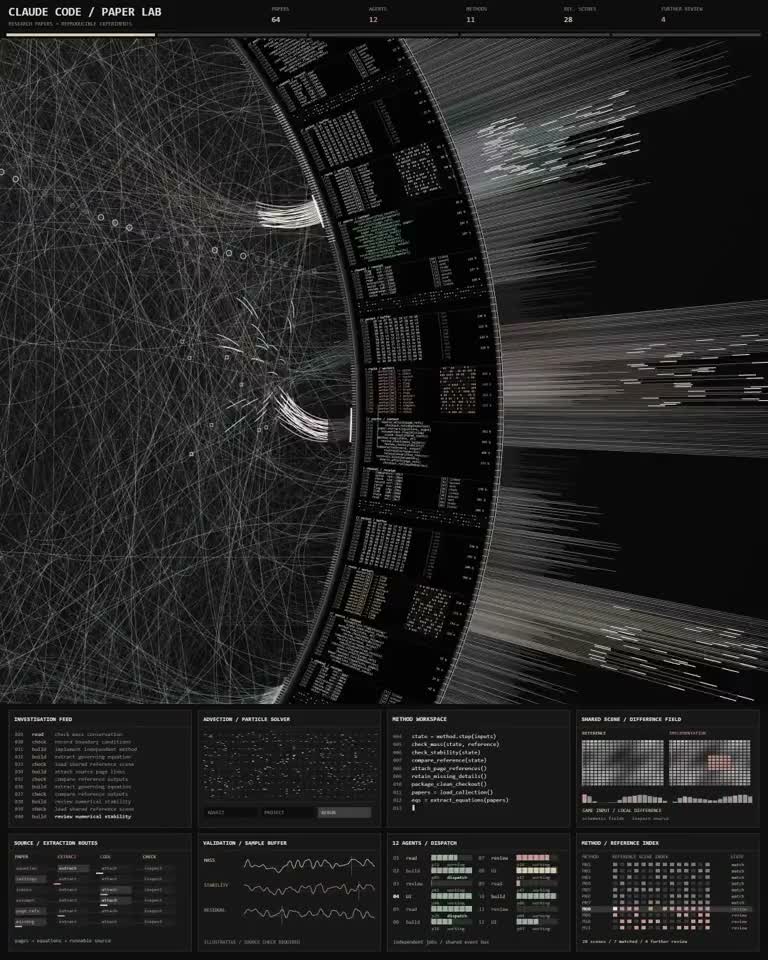
Boris Cherny reportedly assigned 64 papers to 12 Claude Code agents to build a browser simulation lab. Seven of eleven methods matched selected reference results within stated tolerances, while four remained under review.