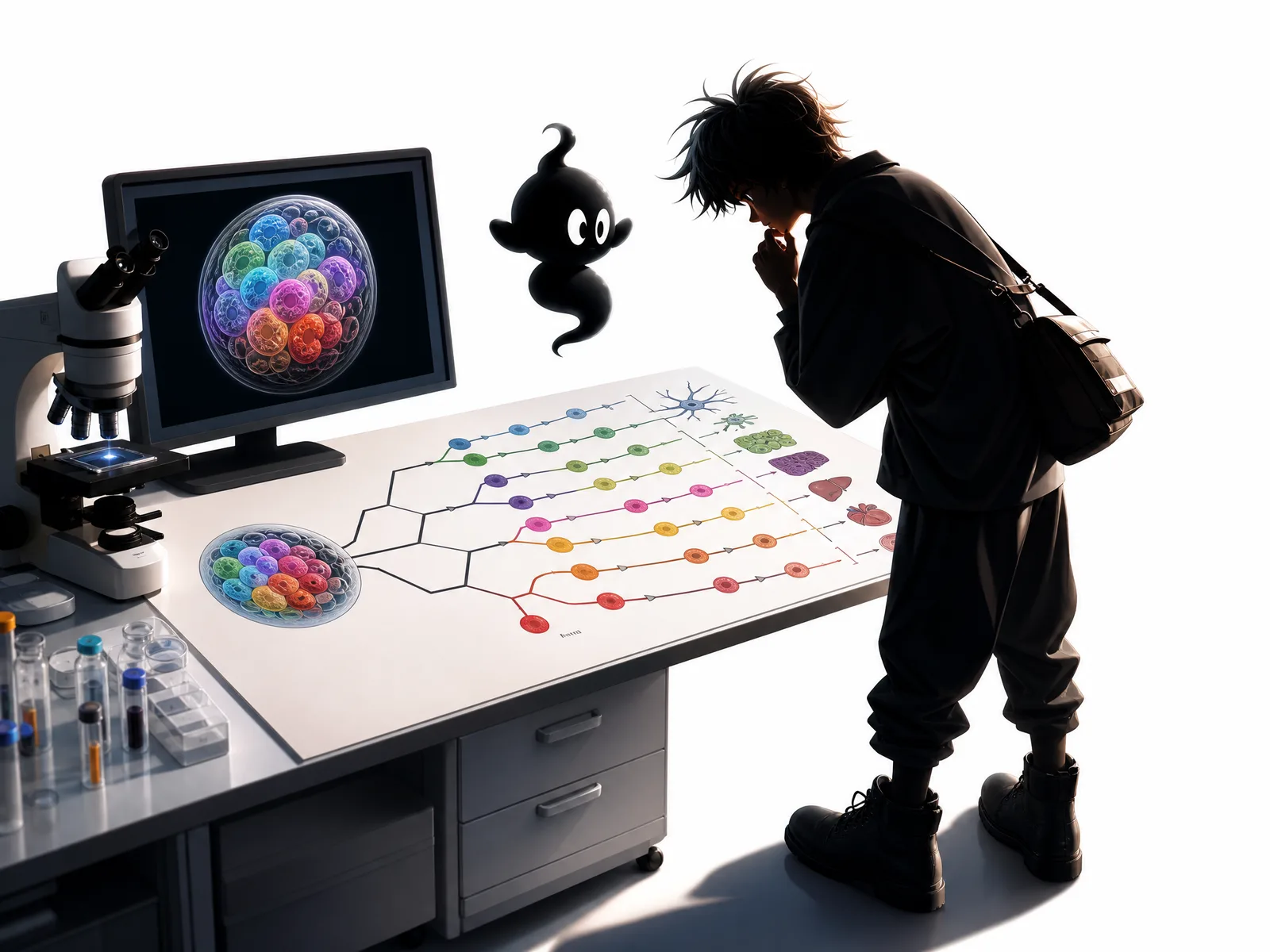
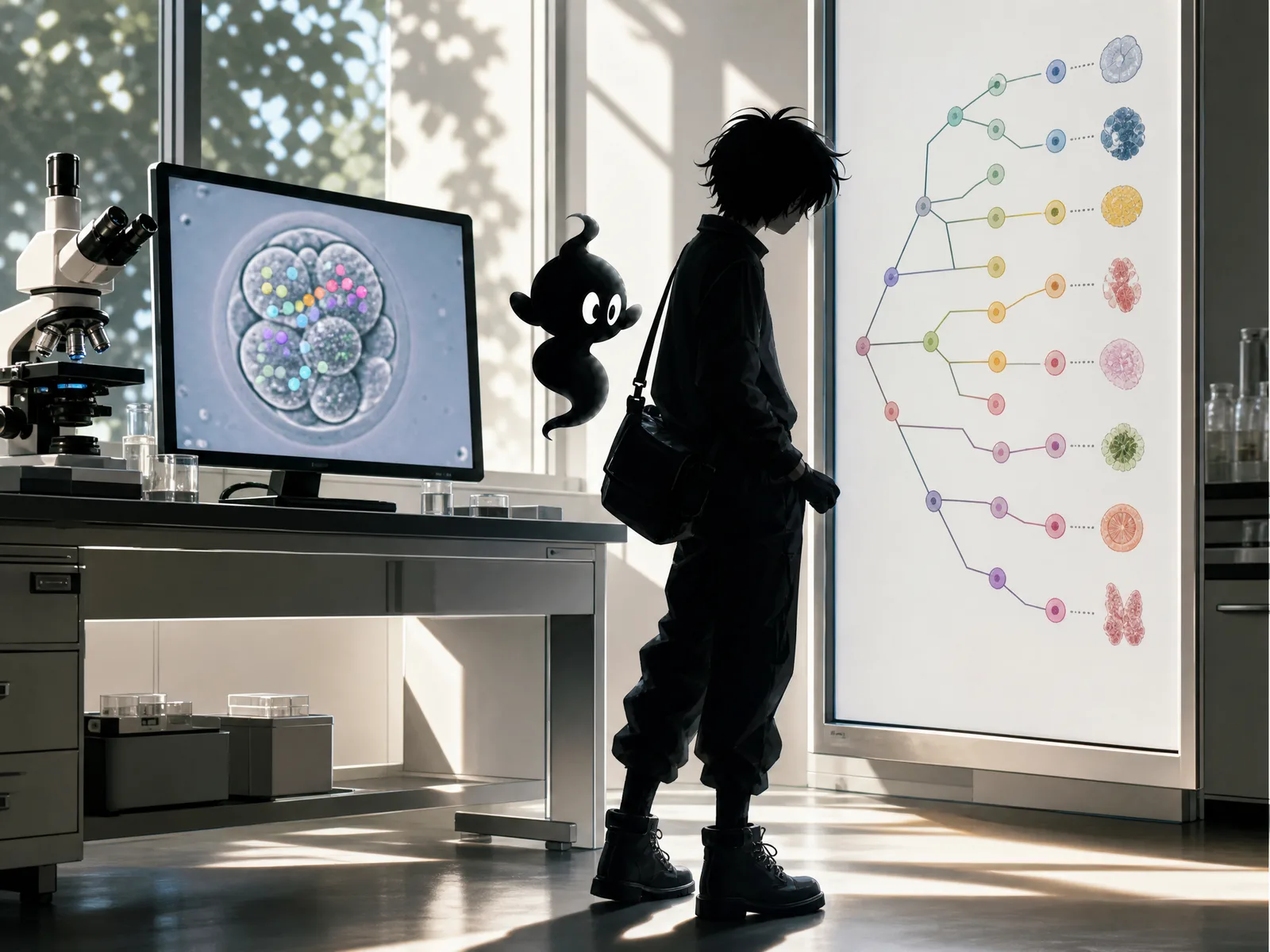
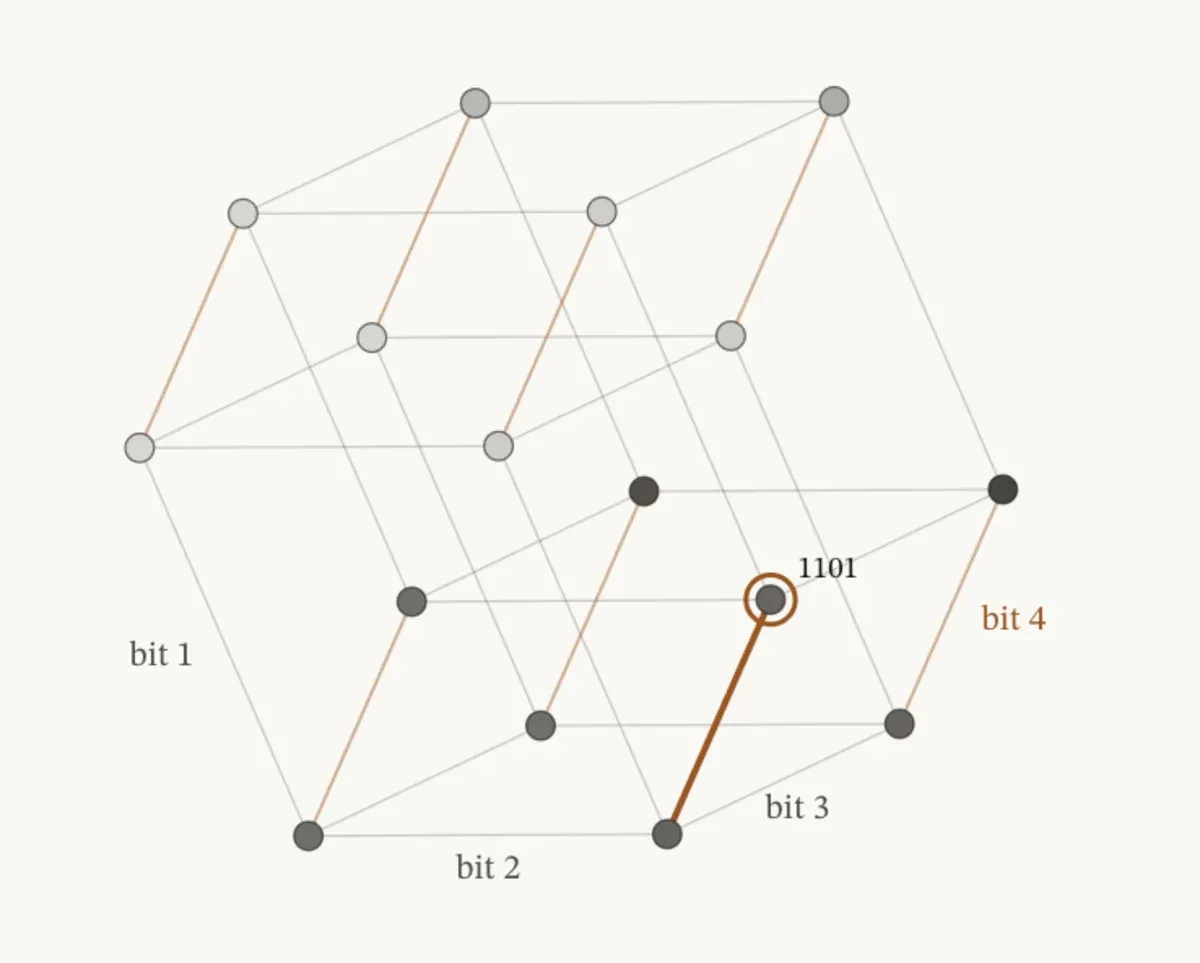
DNA recorder traces the ancestry of 1.28 million cells in a mouse embryo — Read on Sciences et AvenirResearchers reconstructed the ancestry of 1.28 million sampled cells in one mouse embryo using inherited DNA marks. Linking that history to cell identities reveals how early cells gave rise to different tissues.Research Sciences et Avenir +5SABIGEImage: Solar Punk
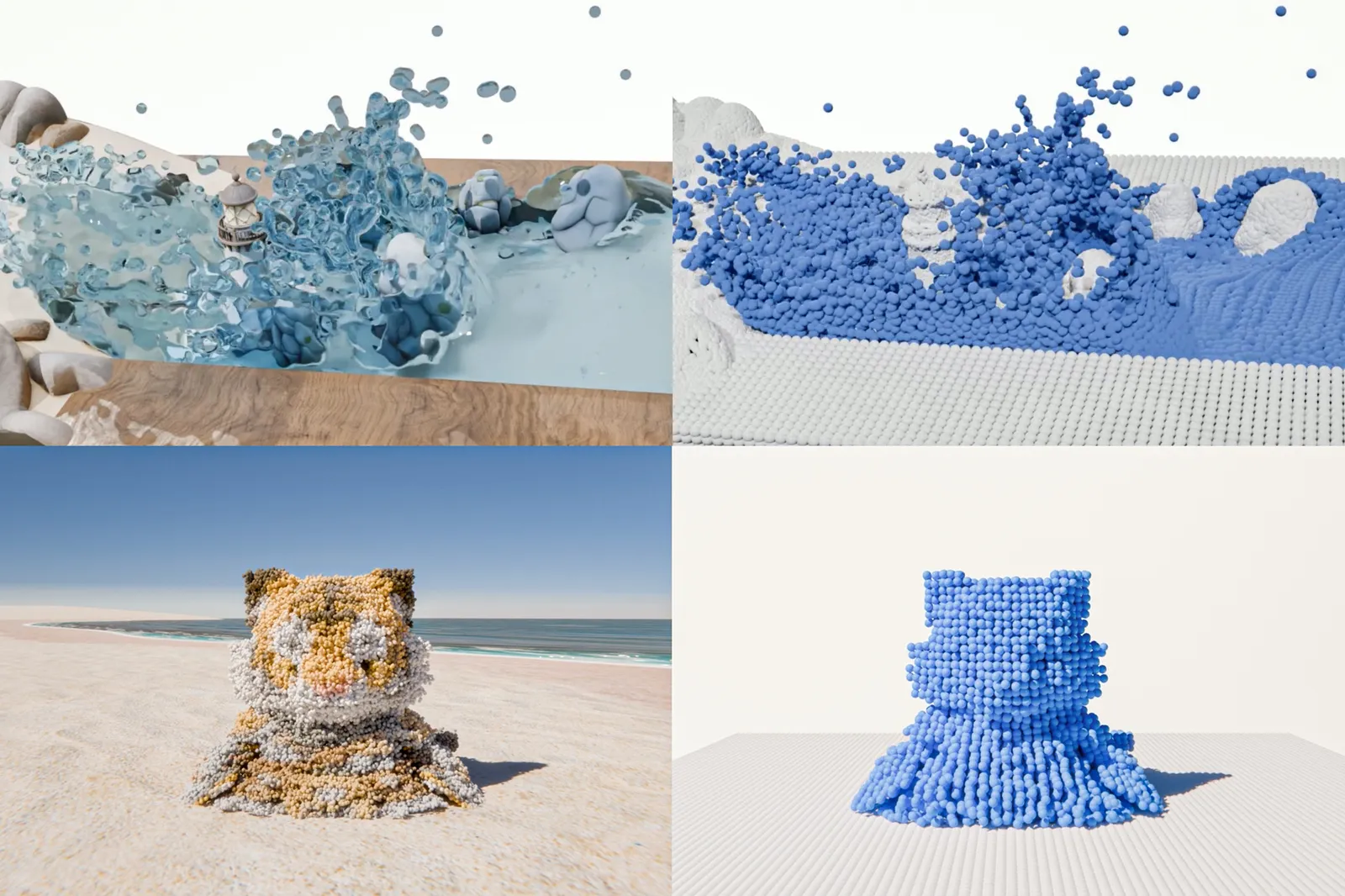
A shared AI design simulates cloth, liquids and grains — Show the summaryA preprint presents an AI architecture trained separately on six types of particle dynamics. It improves predictions against other neural simulators, offering a common design for modelling different materials.Research MIT News +2MG
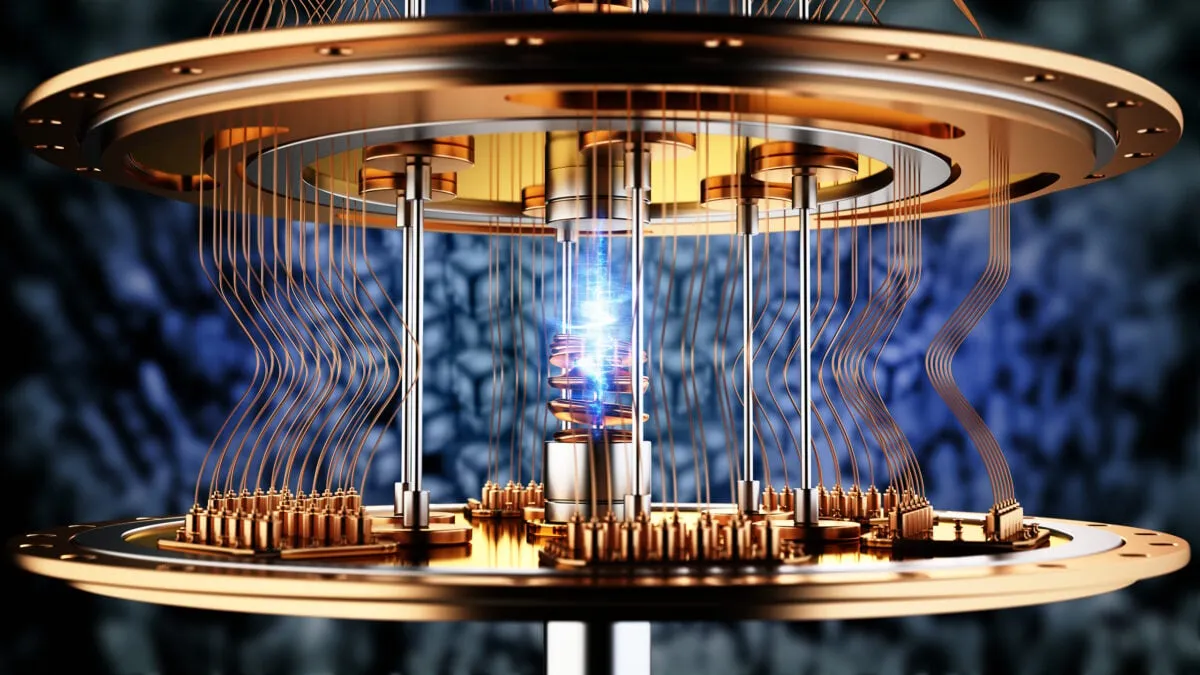
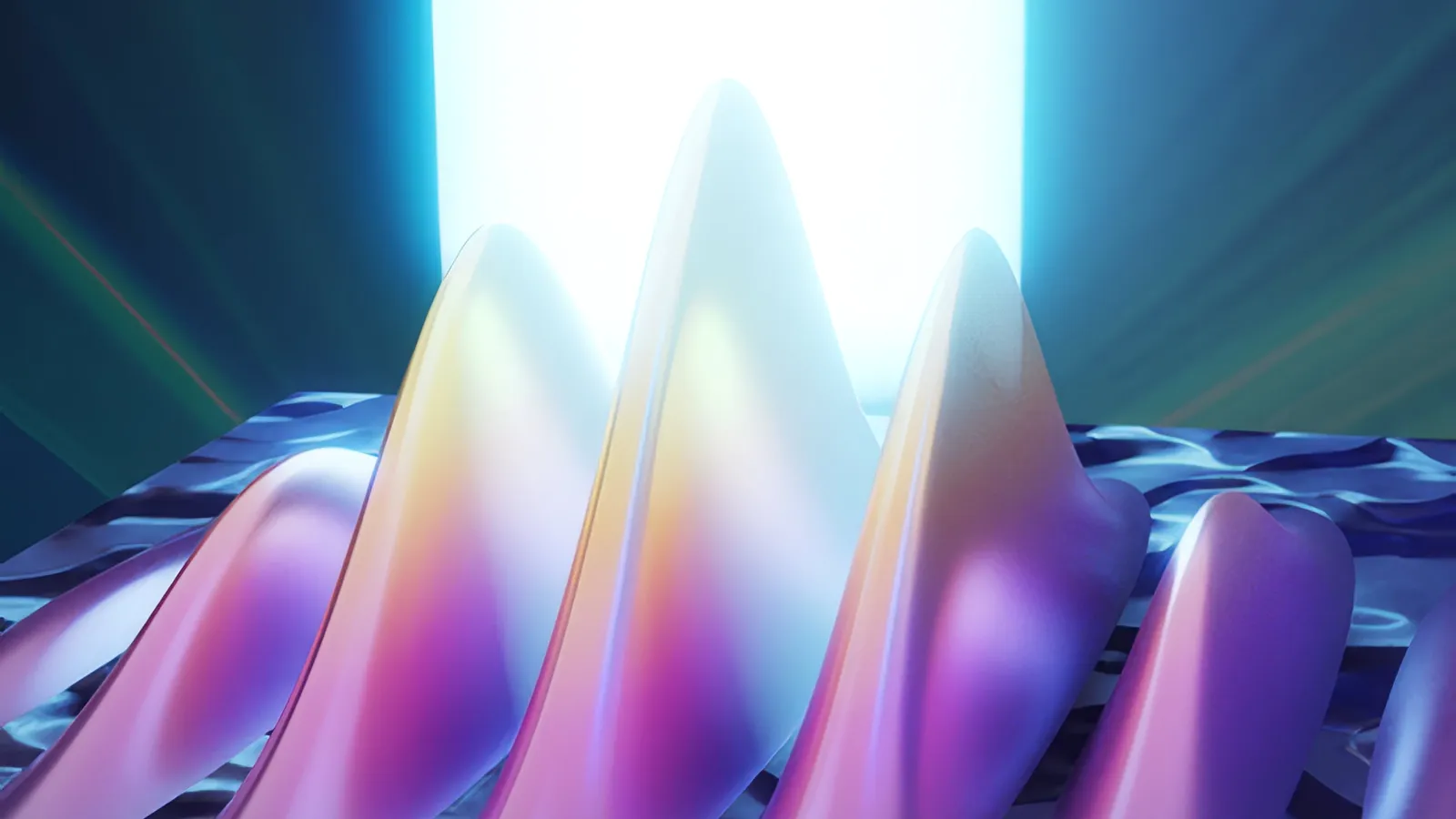
Physicists create a room-temperature supersolid from light and matter — Show the summaryA laser-driven mixture of light and matter showed supersolid behaviour at room temperature, with spontaneous stripes and quantum vortices. The voltage-tunable cavity offers a new way to explore these unusual quantum states.Research ScienceAlert +3
Electrical noise links a superconductor’s puzzling energy gap to electron pairs — Show the summaryLow-temperature noise measurements link a puzzling energy gap in a copper-oxide superconductor to electron pairing. The result strengthens a pairing-based explanation of a longstanding puzzle in superconductivity.Research Ars Technica +2UU
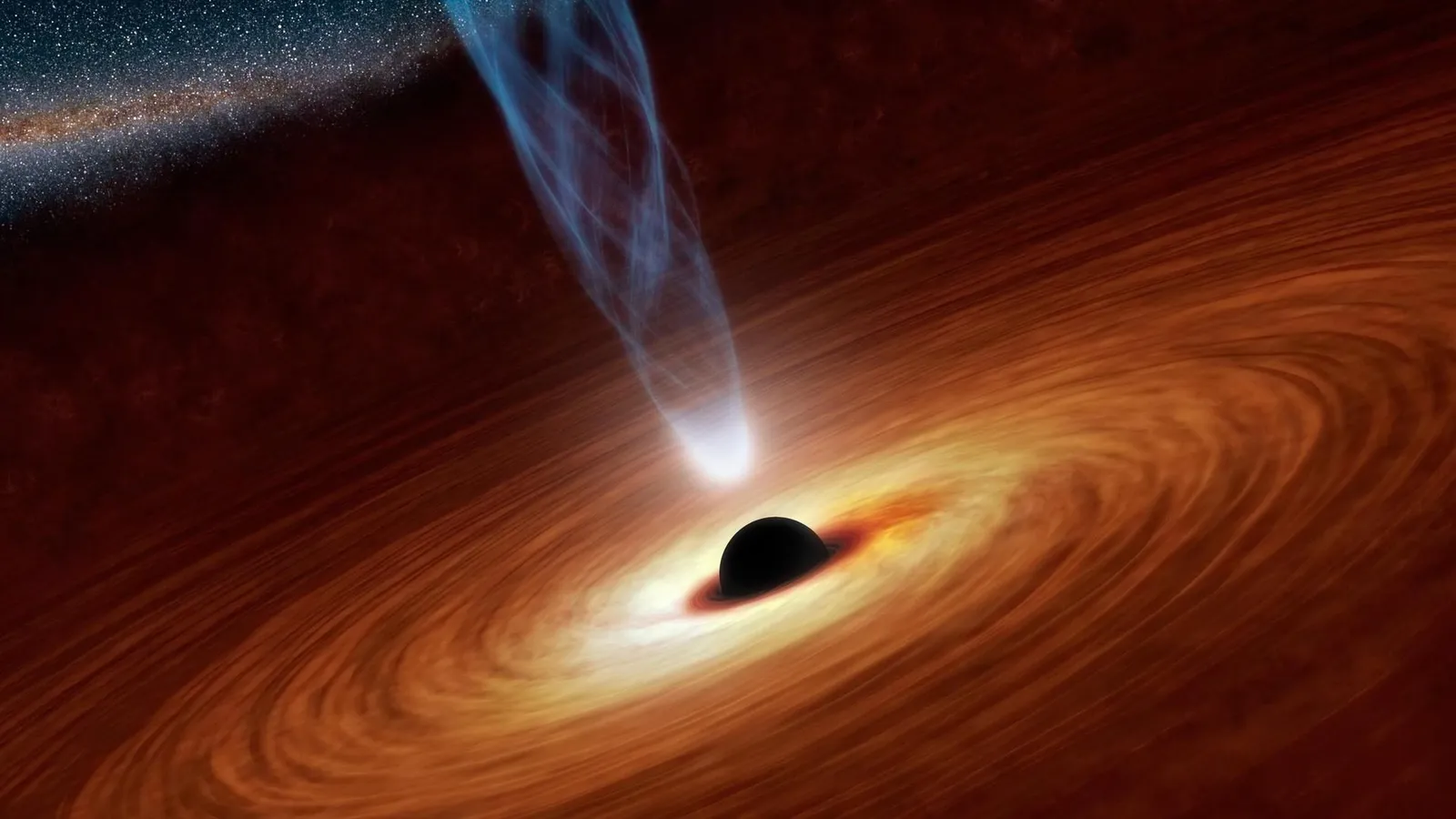
Cosmic radiation limits giant primordial black holes’ role in dark matter — Read on Space.comA calculation finds randomly scattered primordial black holes of at least 100 billion solar masses cannot make up much of dark matter. Limits from ancient cosmic radiation narrow the possible explanations for this unseen matter.Research Space.com +3Image: Space.com
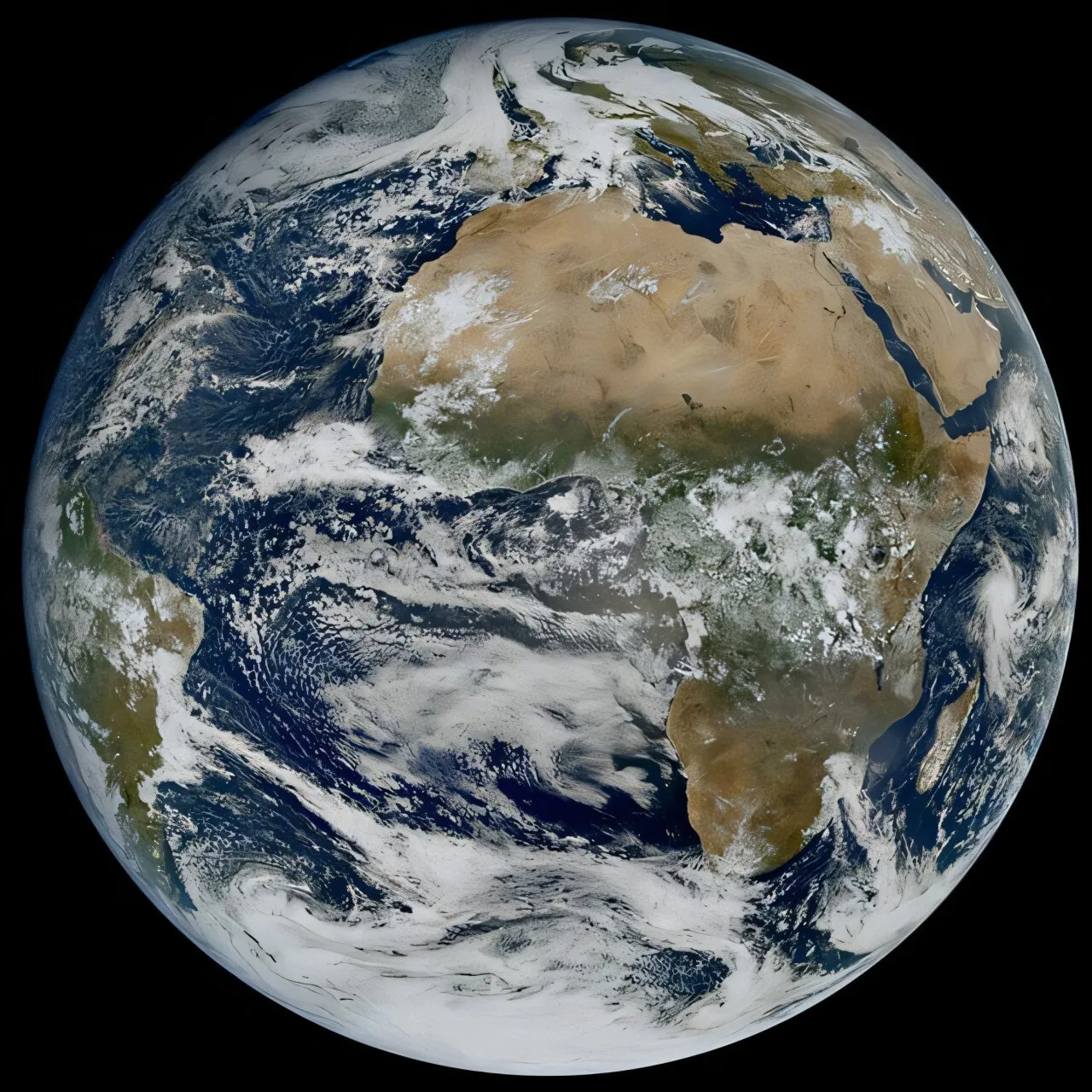
Satellite captures Europe’s weather every 2.5 minutes in imaging test — Show the summaryMTG-I2 has delivered a 45-hour sequence showing Europe and northern Africa every 2.5 minutes. The demonstration offers a closer view of rapidly developing weather as calibration continues towards operational service expected in mid-2027.Phys.org +2EU
Earth’s shifting interior may explain gaps of up to a billion years in its rocks — Show the summarySix simulations support an explanation for gaps of up to a billion years in Earth’s rock record. Mantle-driven uplift, glacial erosion and later sinking could explain both the missing layers and the preservation of the gap.Research Scientific American +4
Even an ideal superfluid would sap light’s energy, a preprint predicts — Show the summaryA preprint calculates that light can lose energy by creating sound waves in an ideal, zero-temperature superfluid. The theory identifies a limit to transparency even in this pure, frictionless liquid.Preprint Scientific American +1
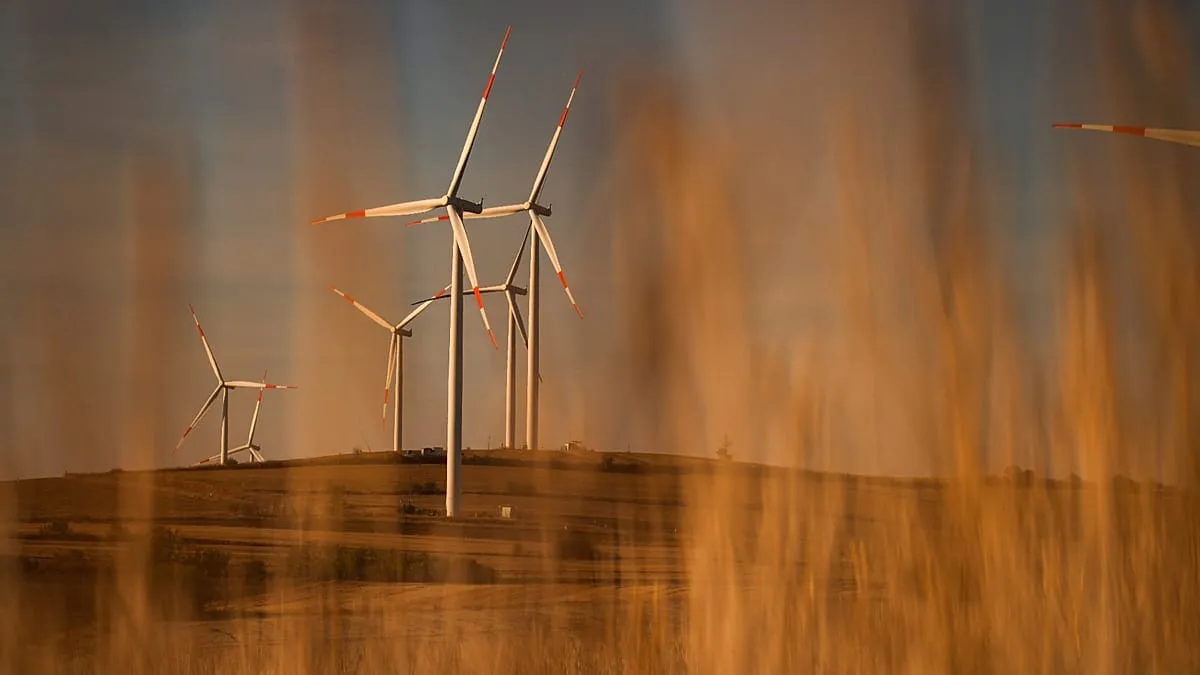
Intense heat turns old wind turbine blades into additives that stiffen resin — Read on EuronewsResearchers converted waste wind turbine blade material into silicon carbide and graphene additives. At 0.3% by weight, the additives increased laboratory resin’s resistance to deformation by 27% under tension and 9% under bending.Research Euronews +1
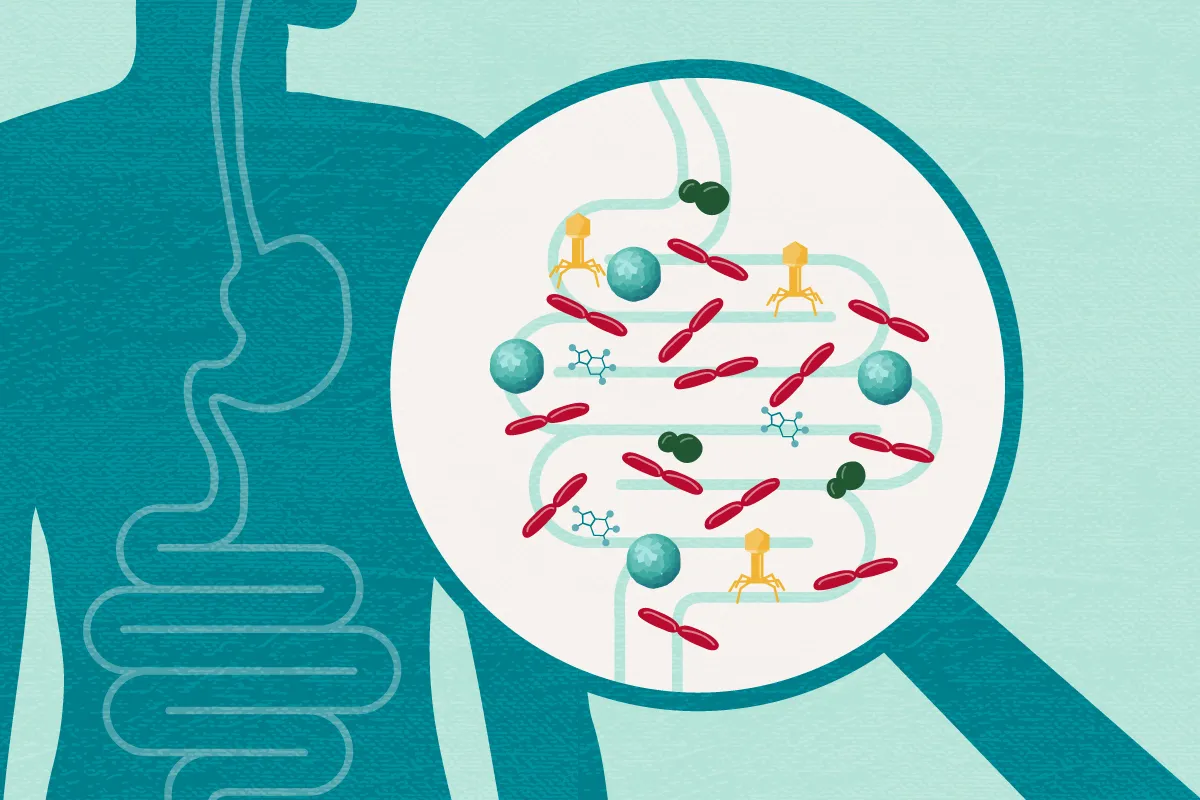
A gut virus suspected of causing illness can infect bacteria — Read on MondosanitàExperiments show that one picobirnavirus variant replicates in gut bacteria. The finding establishes a bacterial host for a member of a virus family long suspected of causing intestinal disease.Research Mondosanità +2WUIWE
AI-assisted preprint claims proof of a longstanding quantum computing conjecture — Read on Interesting EngineeringA preprint claims a full proof of the Aaronson–Ambainis conjecture and supplies public formal verification files. It addresses limits on quantum savings in input reads for most uniformly random inputs.Research Interesting Engineering +3QIPPS
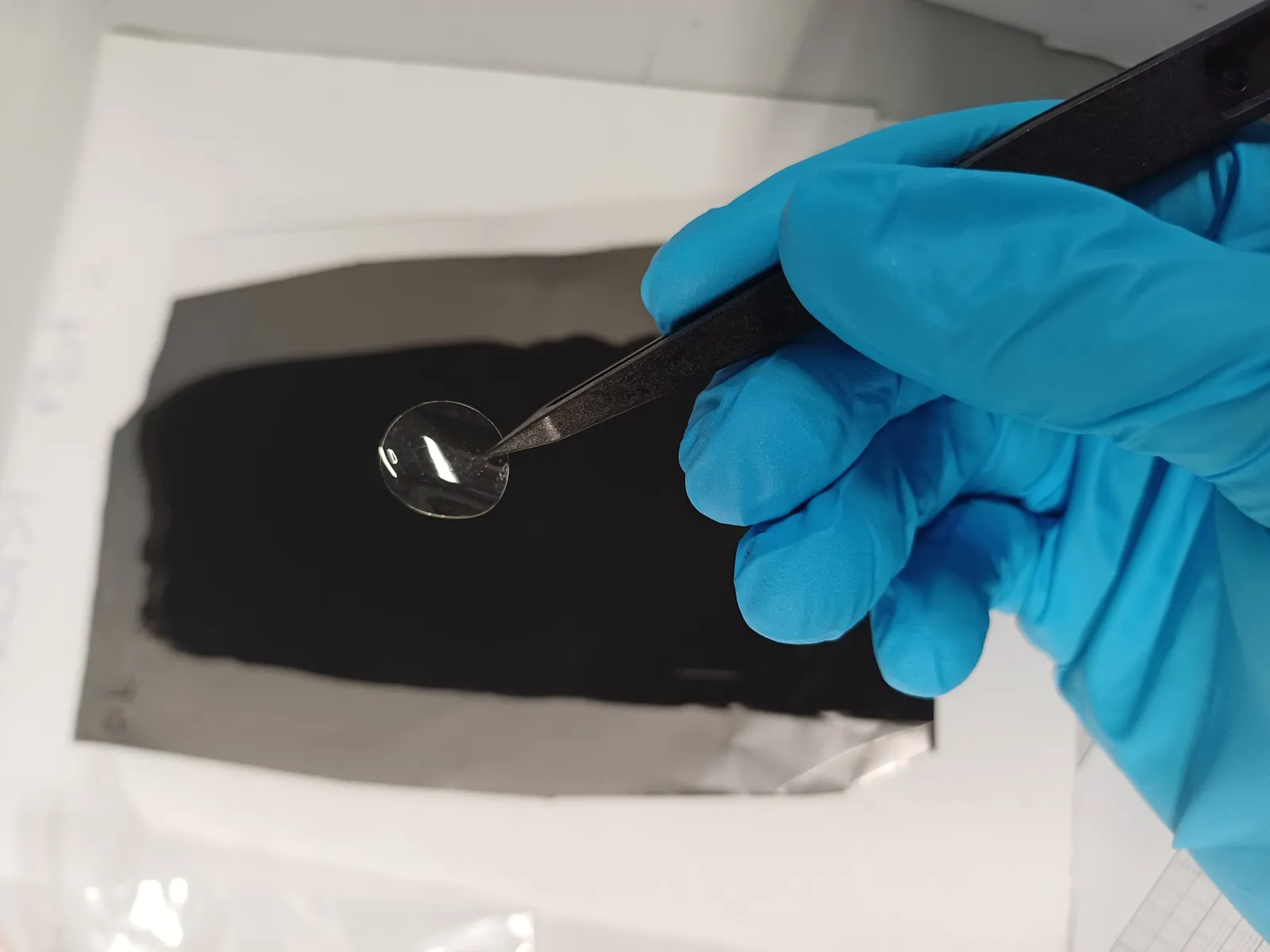
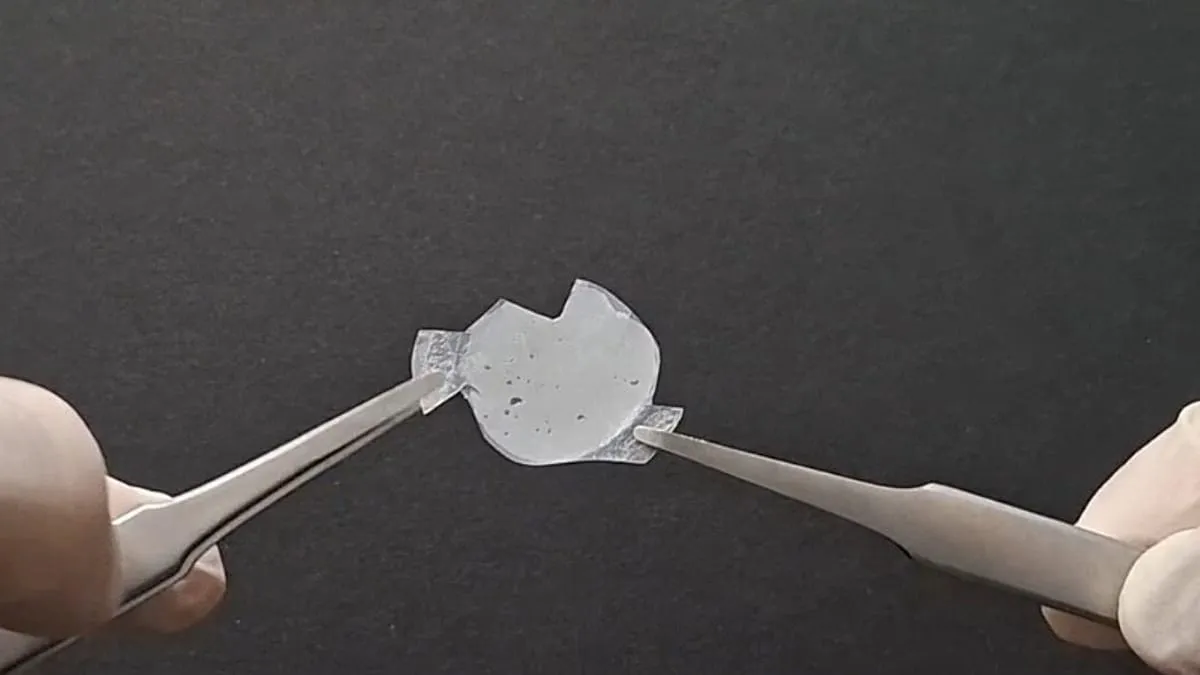
Gel membrane lets experimental fluoride batteries cycle at room temperature — Read on Tech XploreA gel membrane enabled more than 50 cycles in experimental fluoride-ion coin cells at room temperature. It addresses the challenge of moving ions through a near-solid electrolyte.Research Tech Xplore +2TXIDF
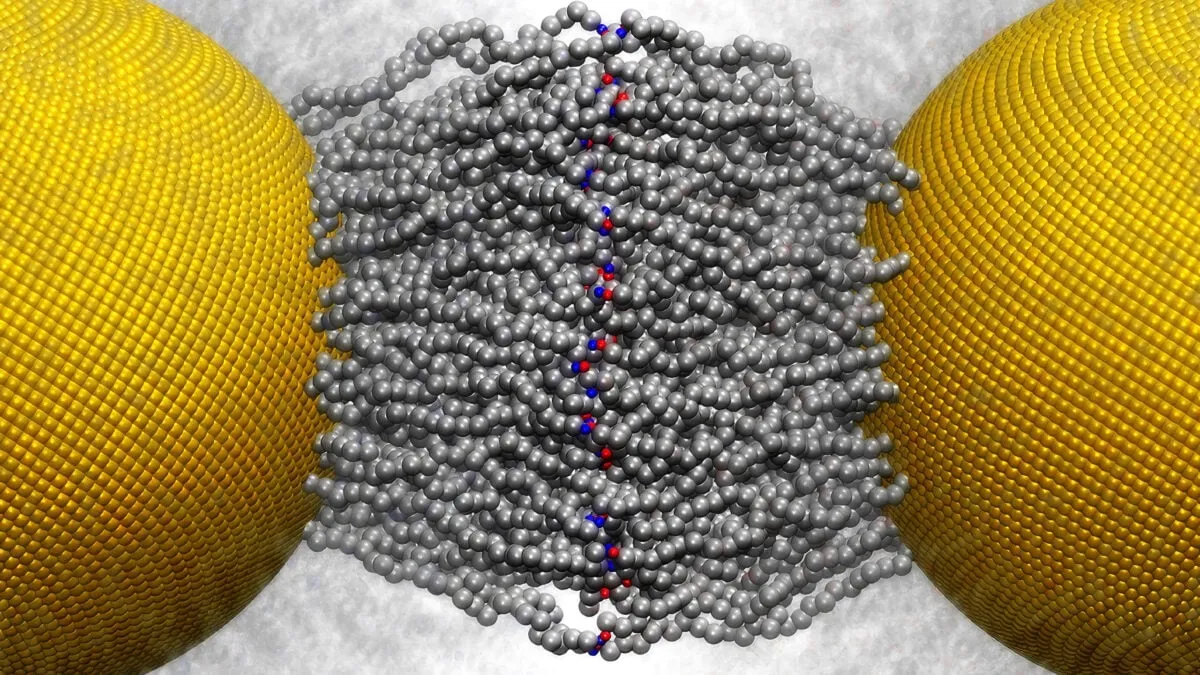
Flexible connectors let nanoparticles assemble into new crystal structures — Read on ScienceAlertResearchers made nanoparticle crystals using flexible polymer connectors that rearrange as the particles assemble. Changing particle size and connector length offers a new way to control crystal structure.Research ScienceAlert +2
France’s new-generation TGV enters passenger service between Paris and Marseille — Read on Le MondeSNCF’s new-generation TGV carried its first passengers between Paris and Marseille on 6 November. The launch puts a modular design capable of seating up to 740 passengers into service as part of its fleet replacement programme.Le Monde +4OFFCH
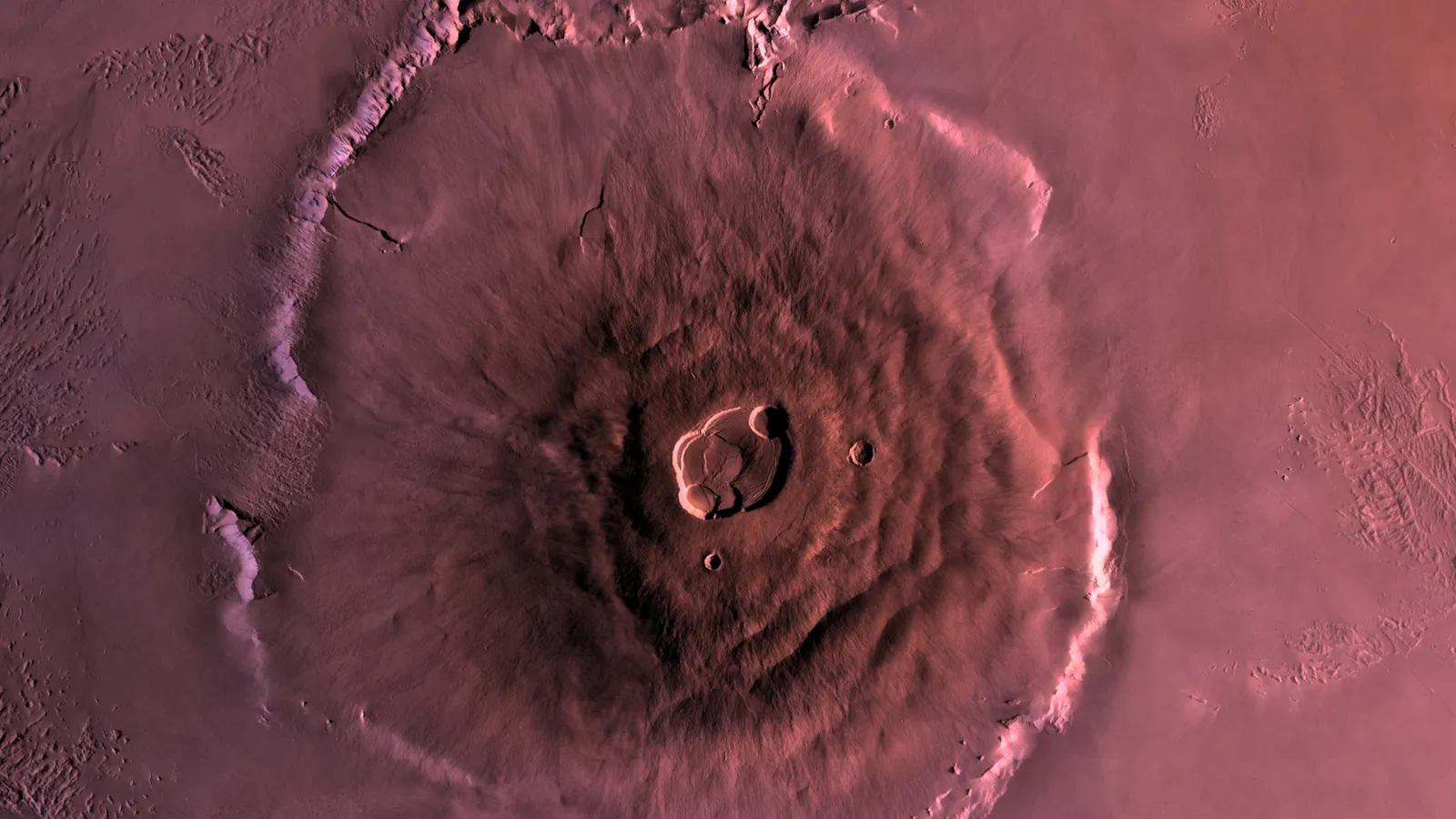
Research National Geographic +3NGGas detections on Mars point to possible volcanic activity beneath the surface — Show the summaryAn orbital study links localised hydrogen chloride detections and fresh cracks near Alba Mons to possible underground volcanic activity. The findings offer new clues to whether Mars remains geologically active.
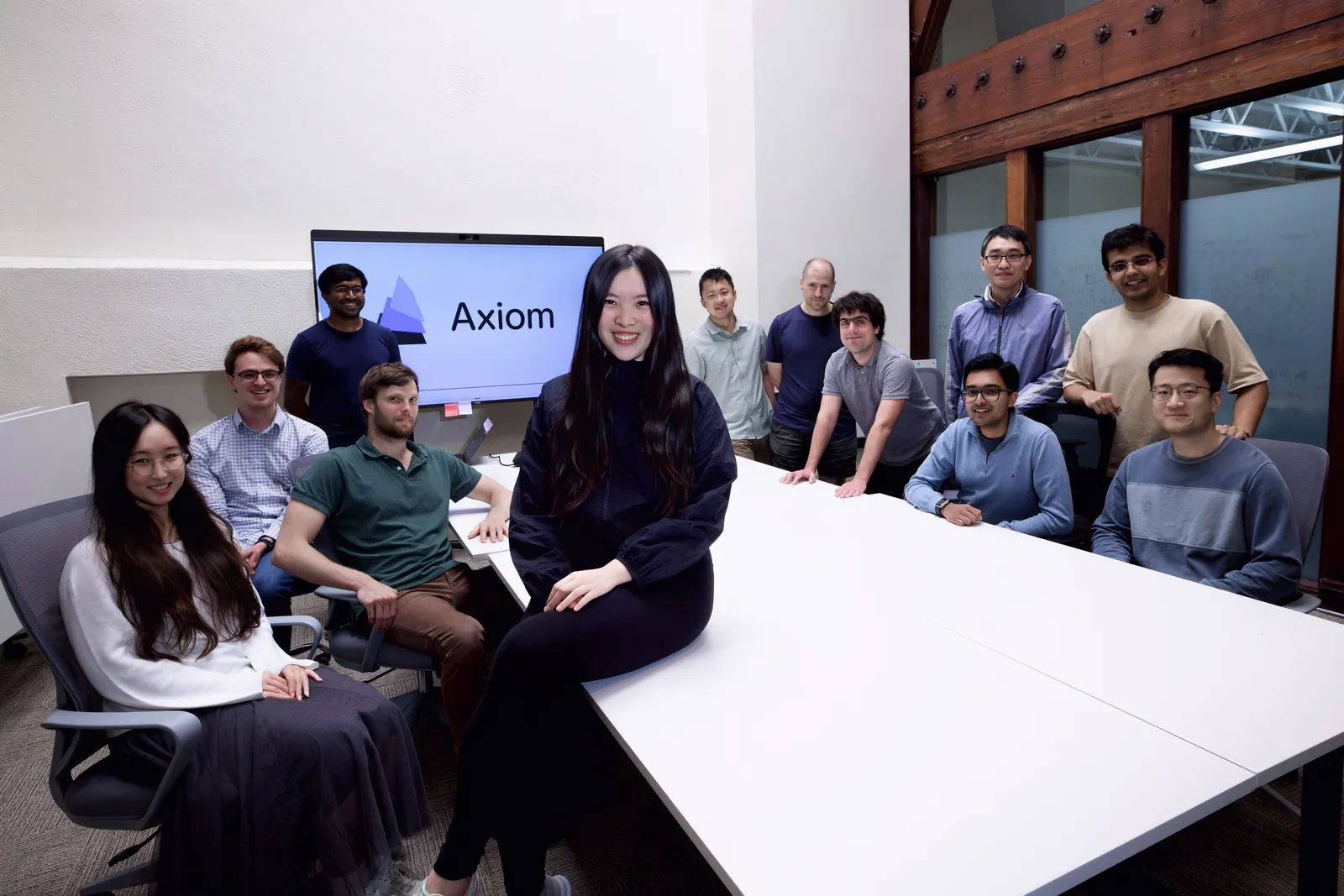
TechCrunch +3AMGIAxiom releases a maths library with computer-checked proofs — Show the summaryAxiom has released an open-source library of computer-checked proofs for algebraic geometry. Researchers can reuse its definitions and theorems as foundations for further formal proofs.
Research OpenAI +1OpenAI reports AI exposed 948 Linux security flaws and proposed fixes — Show the summaryIn controlled tests, OpenAI reports working attacks and candidate patches for 948 distinct Linux security flaws. The results point to a way to scale security testing and the preparation of fixes.
Research ScienceAlert +3GEAncient DNA traces migrations linked to Celtic and Germanic language spread — Show the summaryTwo ancient-DNA studies link population movements to proposed routes of Celtic and Germanic language spread. Adding 712 ancient genomes provides new evidence for testing how these languages spread across Europe.
Research NatureScientists directly measure the duration of ultrashort hard X-ray flashes — Show the summaryA Nature paper reports direct measurements of hard X-ray pulses averaging 170 attoseconds. The method characterises their duration, coherence and synchronisation, adding a tool for experiments on ultrashort timescales.
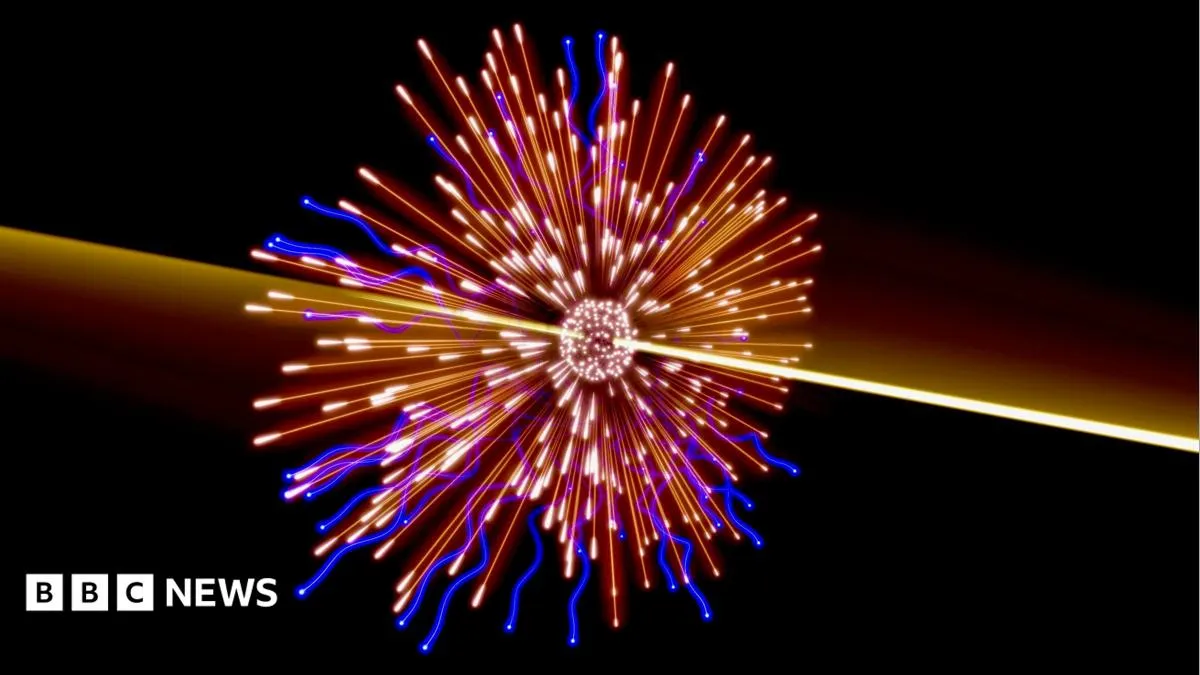
Research BBC +2BBCCERN experiment finds evidence of an exceptionally rare particle decay — Show the summaryA preprint reports LHCb evidence for a particle decay predicted to occur once in ten billion neutral B-meson decays. The measurement offers a new precision test of the Standard Model of particle physics.
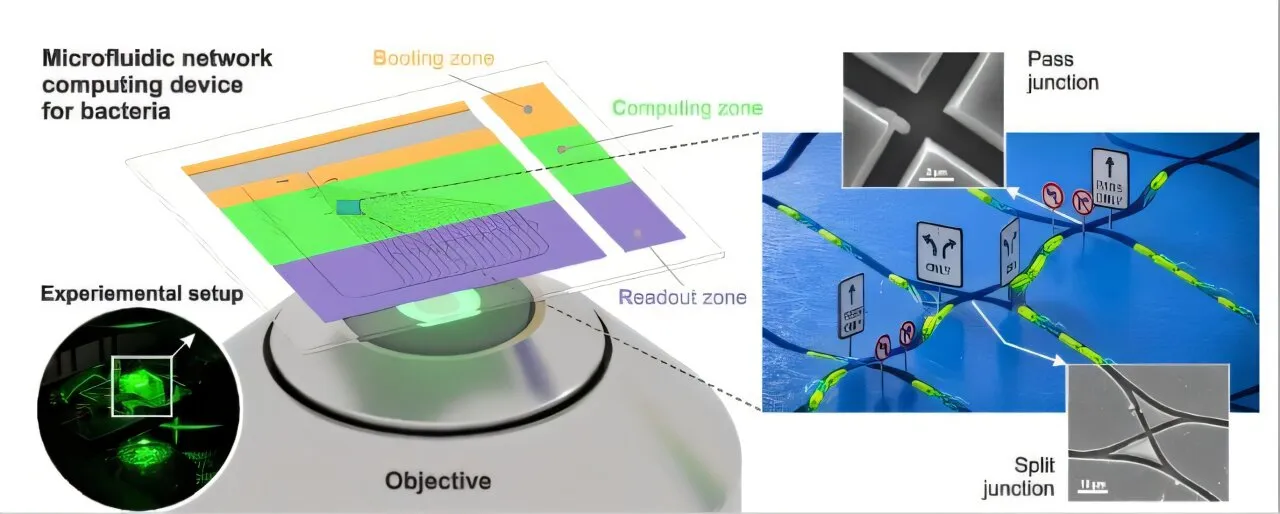
Research Tech Xplore +1TXBMMultiplying bacteria explore possible answers in a prototype biological computer — Show the summaryResearchers demonstrated bacteria exploring tiny connected channels that encode mathematical problems. As the bacteria divide, they add more agents to explore possible answers in parallel.
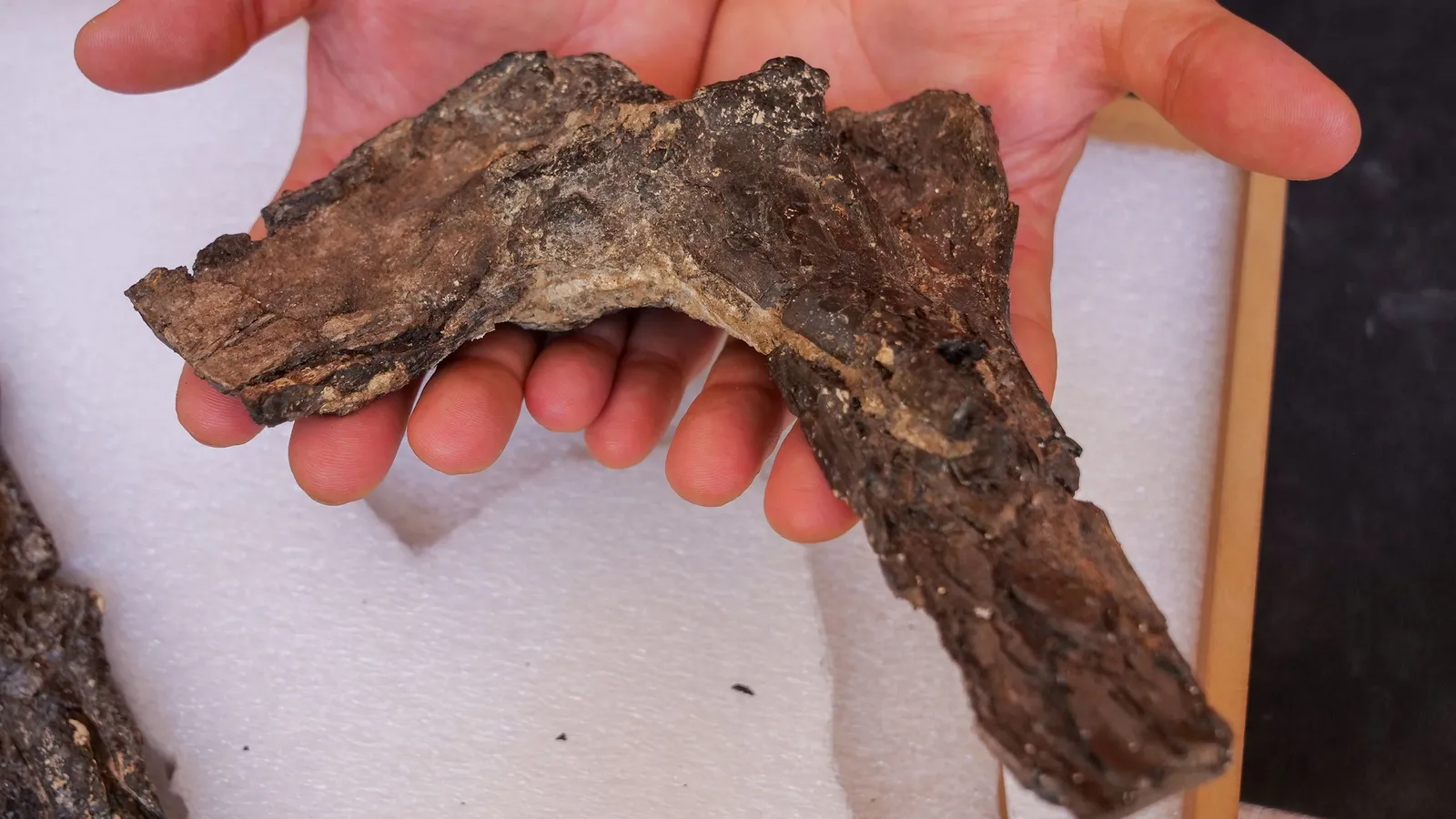
Research CNN +3Possible blood-cell remnants found in 115-million-year-old dinosaur bone — Show the summaryResearchers detected haem-derived molecules associated with mineralised cell-like structures in a 115-million-year-old dinosaur bone. The finding adds evidence that molecular remnants can persist over geological time.
Research ANSA +3BSNChanges inside an ultracold atom cloud provide an internal clock — Show the summaryAn experiment with about 24,000 ultracold atoms used entropy exchanges to construct an internal clock that broadly tracked the cloud’s evolution. It offers a laboratory test of how time can be defined through changes within a system.
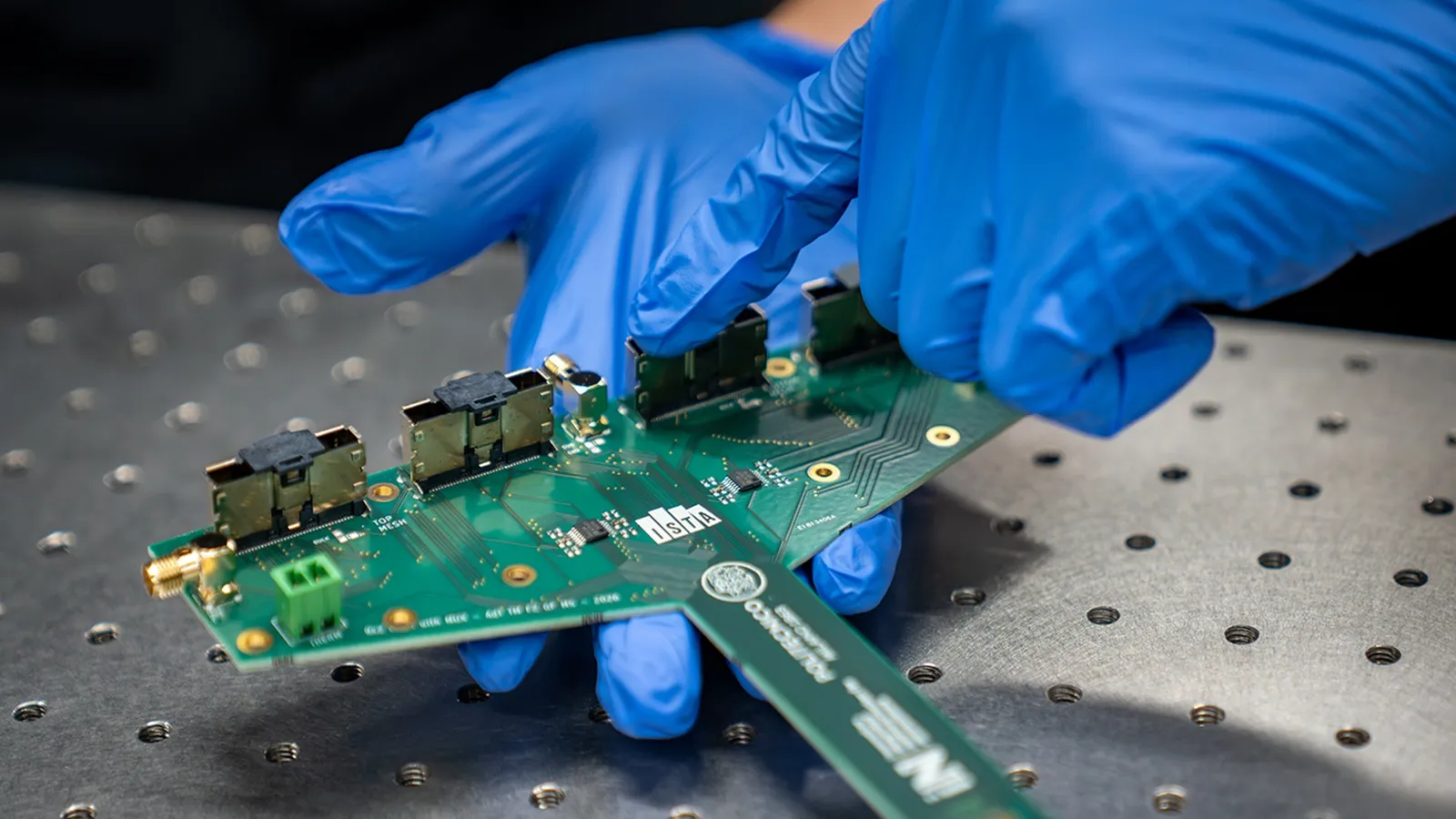
Research inkorr.com +3ICA silicon chip separates mixed light into distinct patterns — Show the summaryA silicon chip separated mixed light into distinct, mutually incoherent patterns in laboratory tests. The capability could support future microscopy, astronomy and optical communications.
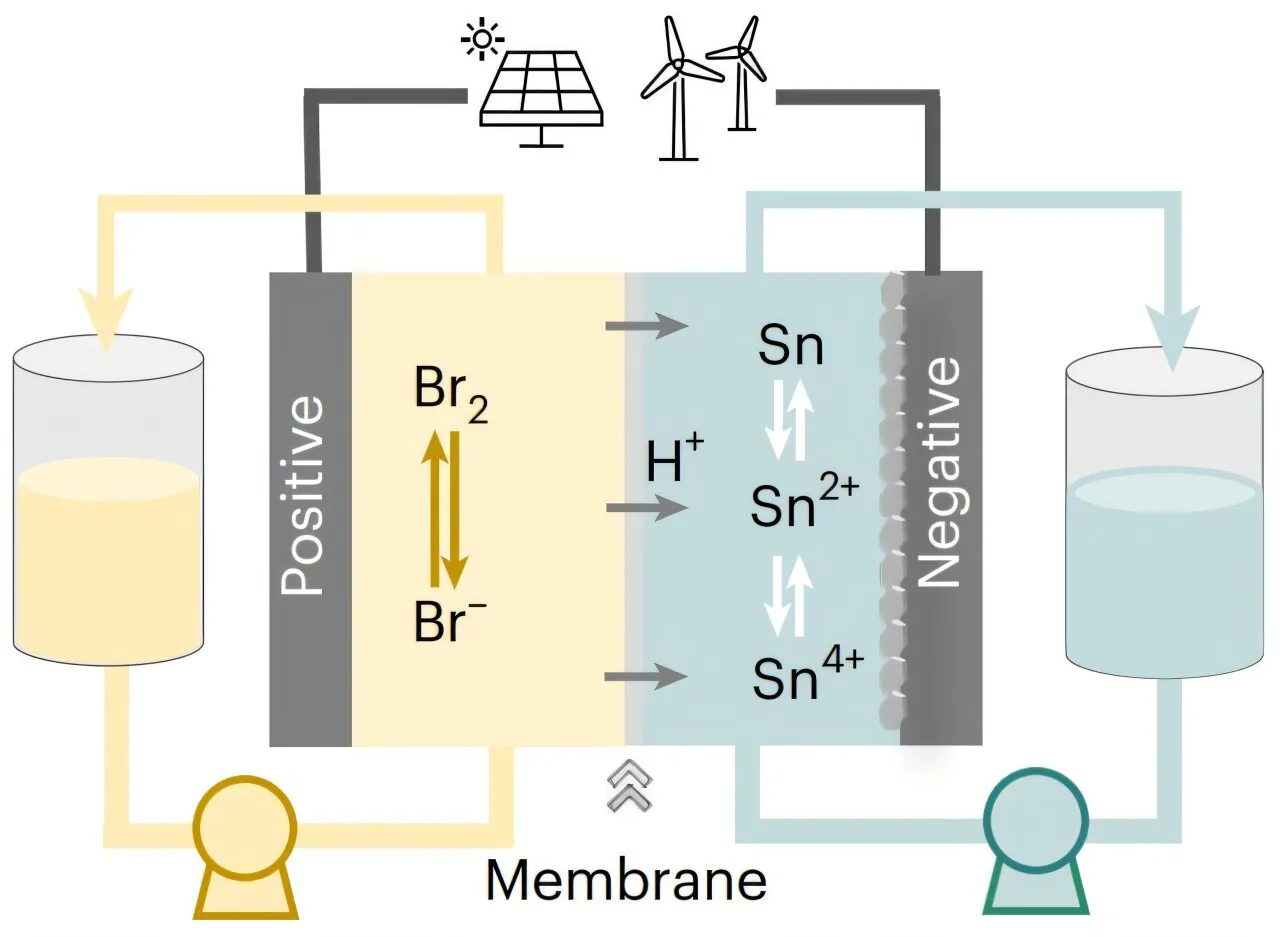
Research Tech Xplore +1TXNew electrolyte unlocks tin’s two charge-storing reactions for flow batteries — Show the summaryA redesigned electrolyte enabled both of tin’s charge-storing reactions in a laboratory flow battery. Energy efficiency reached 89%, versus 53% with chloride alone at the same tested current density.
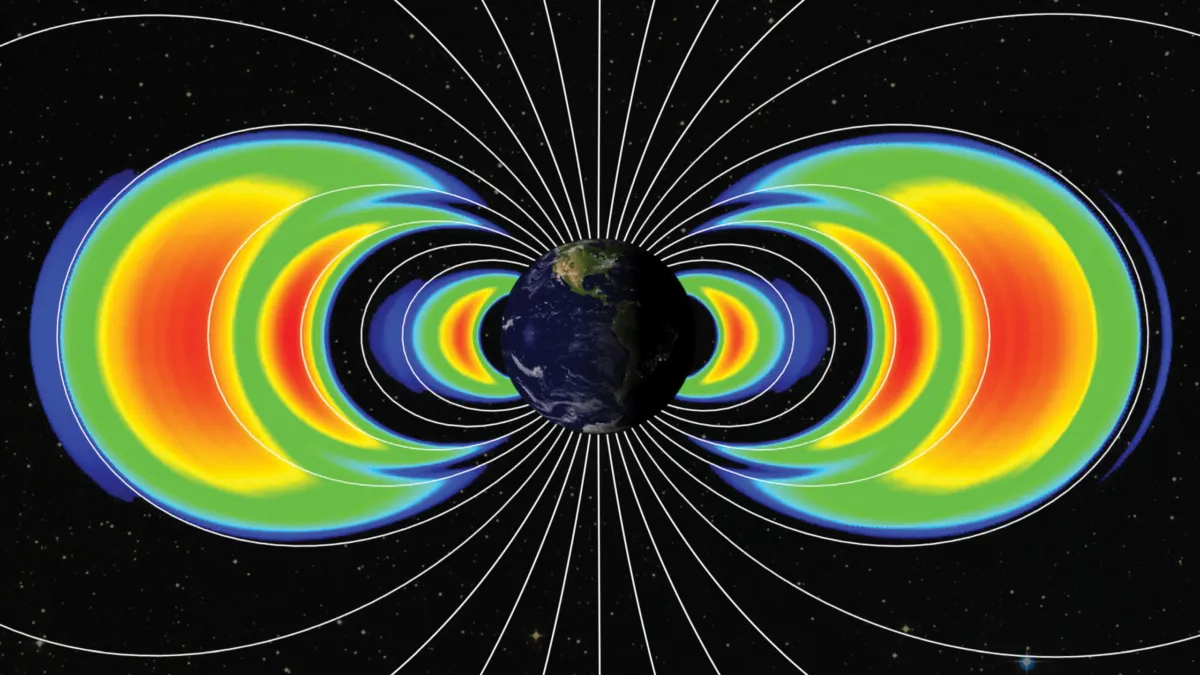
Research ScienceAlert +4UTIDFStorm observations reveal electron acceleration inside Earth’s radiation boundary — Show the summaryArase satellite observations show electrons gaining energy locally inside Earth’s usual radiation-belt boundary during the May 2024 storm. The finding helps explain how high-energy particles arise in this region.
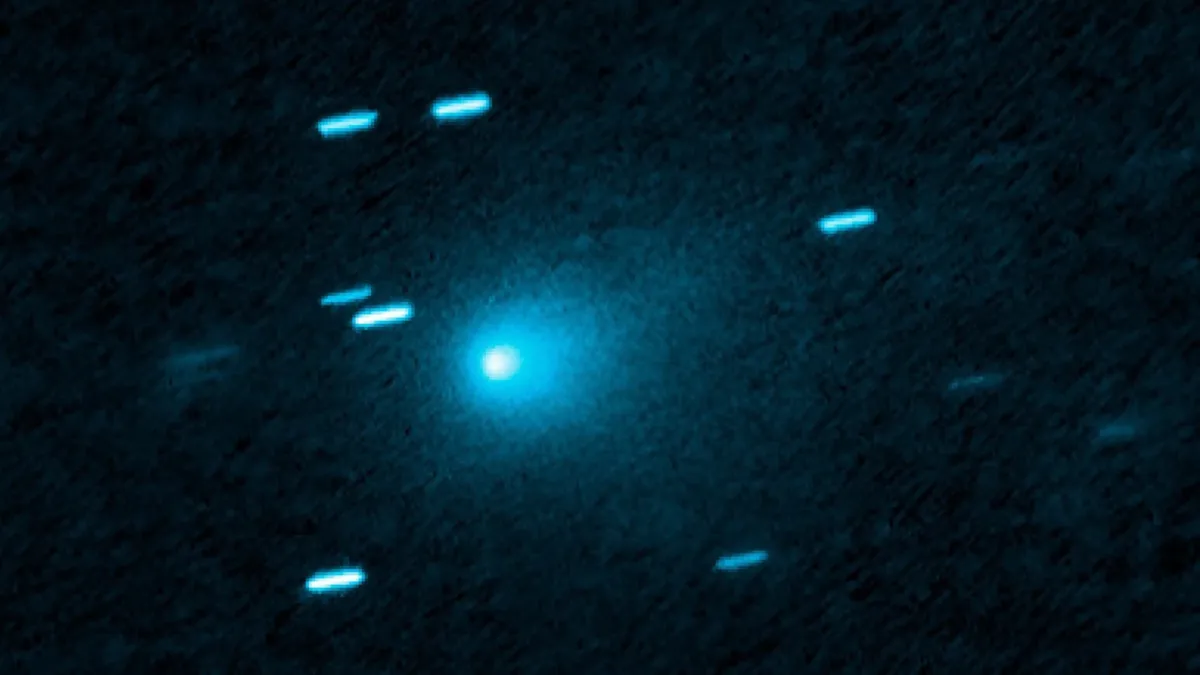
Research ScienceAlert +1Interstellar comet’s unusual methane points to a very cold birthplace — Show the summaryMethane in interstellar comet 3I/ATLAS has a heavy-to-normal hydrogen ratio about 14 times that in comet 67P. The chemical signature points to formation in extreme cold beyond our Solar System.
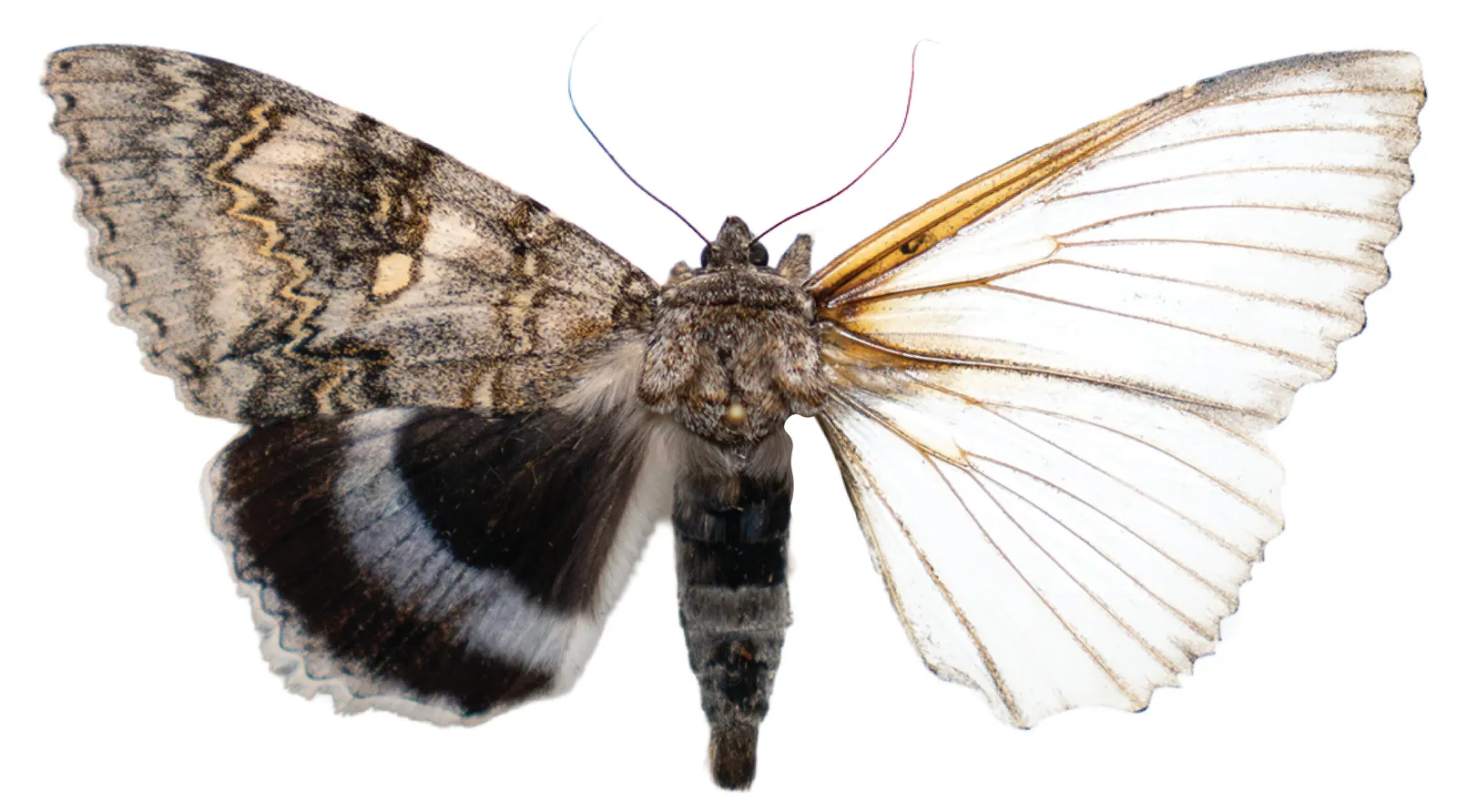
Research Tech Xplore +1TXIDFCirculating chemicals form a working UV sensor inside a robot — Show the summaryResearchers circulated chemicals through a moth-shaped robot, using UV light to form a working sensor inside its body. The sensor then sent signals to an existing controller to move its wings or light an LED.
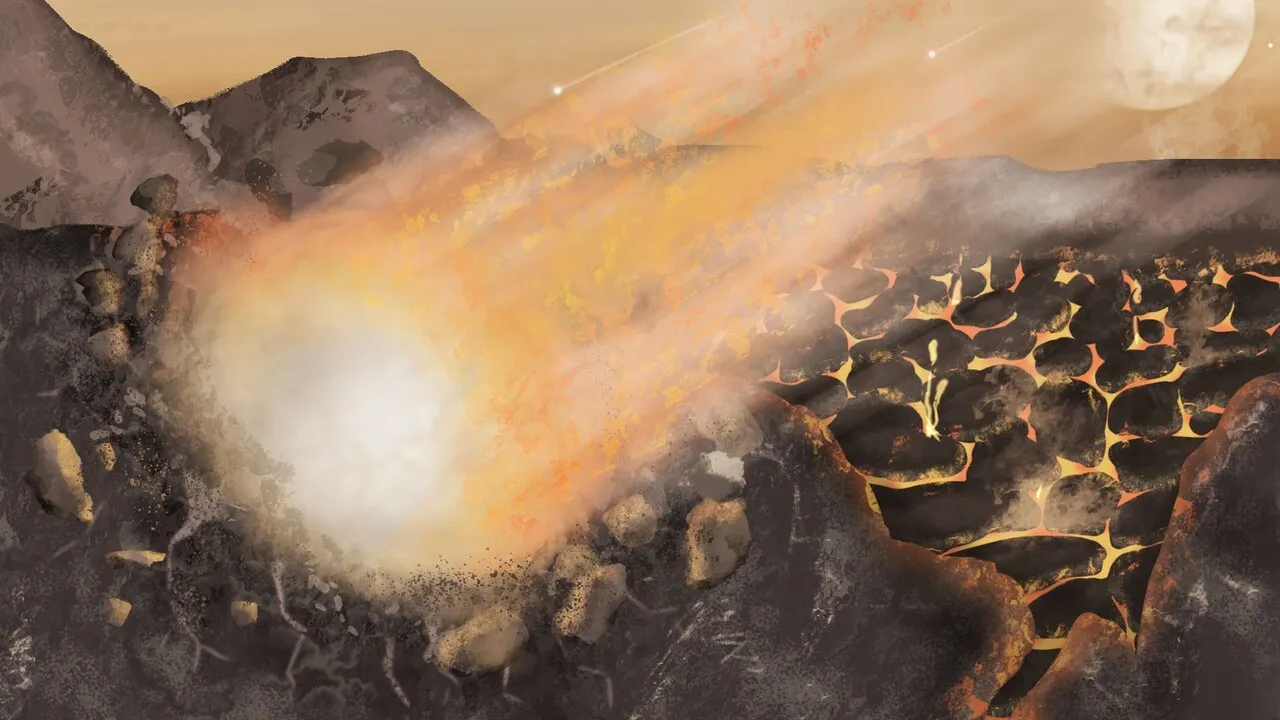
Research ANSA +2INComets were unlikely to supply enough of a key ingredient for life on Earth, models suggest — Show the summaryModels suggest comet impacts rarely supplied useful concentrations of hydrogen cyanide on early Earth. The research narrows a proposed route by which a chemical ingredient for life’s origins could have reached the planet.
Research The TransmitterFruit-fly wiring map traces taste signals towards feeding circuits — Show the summaryResearchers mapped pathways linking taste sensors across fruit flies' bodies to circuits associated with feeding and other responses. The wiring map offers testable hypotheses about how sensory inputs guide behaviour.
Preprint Quanta MagazineQMNew map suggests unstable gas surrounds cold clouds between stars — Show the summaryA preprint reconstructs nearby interstellar gas in three dimensions, placing thermally unstable gas around cold clouds. The model-based map offers a benchmark for understanding how stars form.
Research Scientific American +4Scientists add and remove brain connections in living animals — Show the summaryEngineered tools add connections between selected nerve cells in worms and mice, while another removes selected connections in mice. These experiments give researchers new ways to test how brain wiring shapes behaviour.
Preprint Scientific AmericanMathematicians prove infinitely many Ramanujan-style equations — Show the summaryA preprint proves an infinite family of equations linking sums and infinite products. The result connects Ramanujan-style mathematics with the geometry of knots, extending previously established cases.
Research Science News +2NIFClose microbial relatives of complex cells have simple interiors — Show the summaryResearchers cultivated two archaeal strains closely related to complex-celled life, finding simple interiors and dependence on microbial partners. The cultures offer a way to test ideas about how complex cells evolved.
Research Euronews +4HUA thin polymer cooler reaches 12.9°C below a reference box in outdoor tests — Show the summaryA thin polymer material reached temperatures up to 12.9°C below an empty reference box in outdoor tests without electricity for cooling. Its controlled structure offers a new approach to making passive cooling materials.
Preprint Science +1IBM links two quantum chips with 99% accuracy in transferring quantum states — Show the summaryAn IBM preprint reports four links between two quantum chips, transferring quantum states with 99% mean fidelity. The experiment tests a way to connect processors into larger quantum computers.
Research Al Jazeera +1OpenAI announces three discoveries in mathematics, computer science and physics — Show the summaryThe proposed solutions concern the behaviour of waves, the limits of computing and fundamental particles. Outside researchers are examining the proofs; the physics materials have not yet been made public.
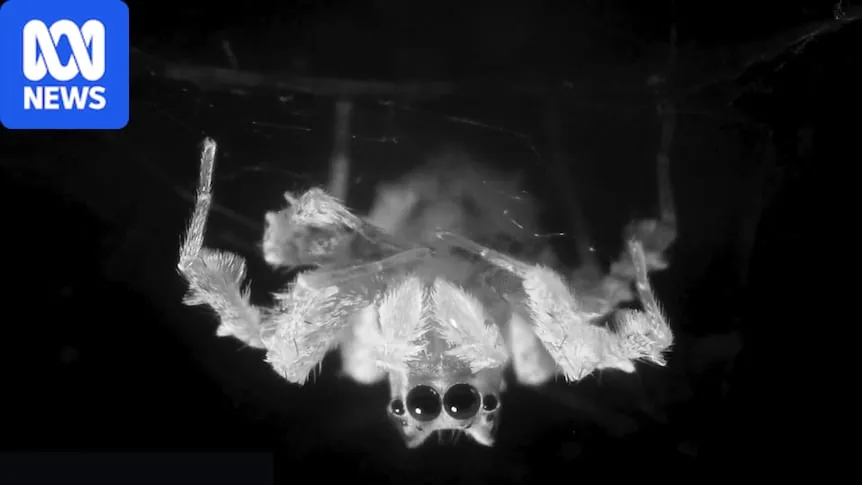
Research Australian Broadcasting Corporation (ABC) +1IDFJumping spiders show a two-stage sleep pattern — Show the summaryA peer-reviewed PNAS study finds that Portia fimbriata has a quiet sleep phase and a REM-like phase marked by eye movements and muscle activity. Sleep disruption led to rebound rest, extending behavioural evidence of sleep to spiders.
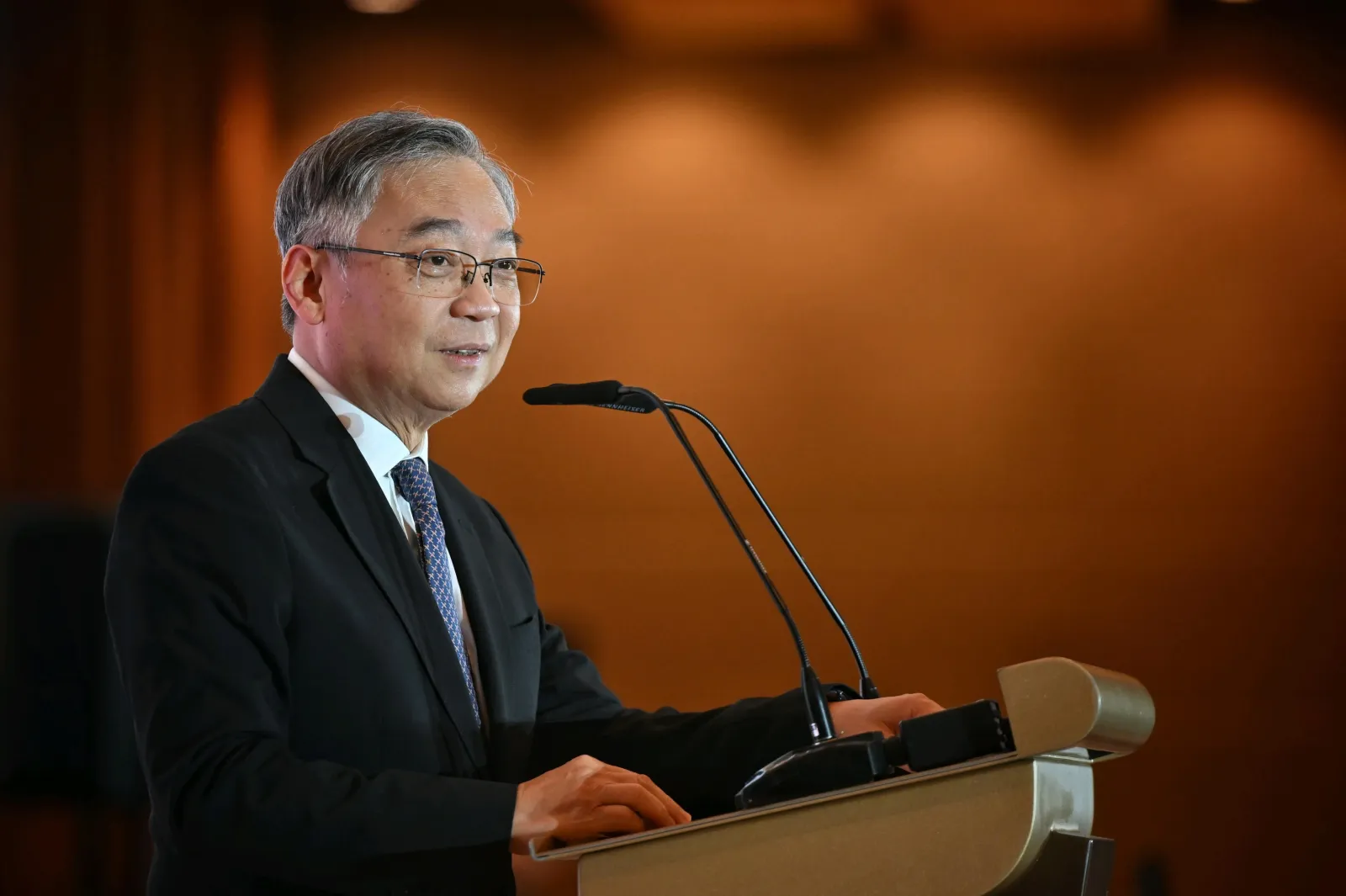
The Business Times +2STMGSSingapore commits S$150m to AI-led materials discovery — Show the summarySingapore has committed S$150 million to an A*STAR-led platform combining AI with automated laboratories to discover and test new materials. It is intended to move promising materials towards industrial use through manufacturing validation.
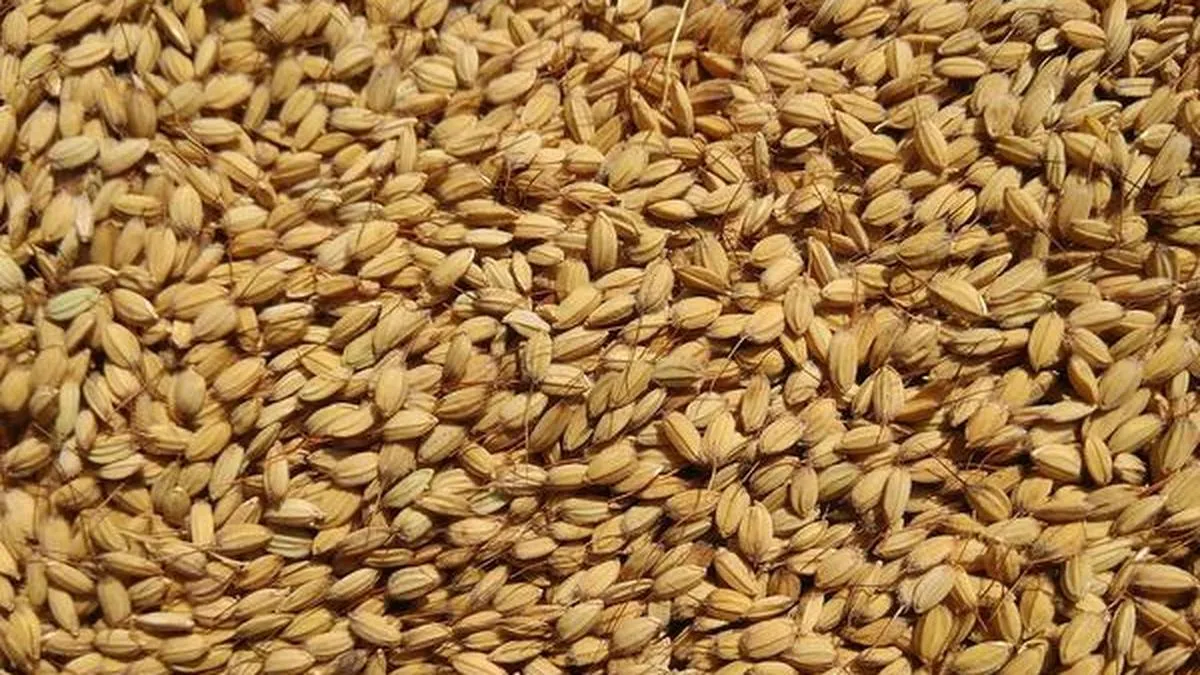
Research The Hindu +1IDFKashmir’s traditional rice reveals genetic links to East Asia — Show the summaryGenome sequencing of 142 rice samples from Kashmir links traditional varieties to temperate East Asian rice. The study identifies variants associated with cold adaptation, offering material for future breeding.
DNA recorder traces the ancestry of 1.28 million cells in a mouse embryo — Read on Sciences et AvenirResearchers reconstructed the ancestry of 1.28 million sampled cells in one mouse embryo using inherited DNA marks. Linking that history to cell identities reveals how early cells gave rise to different tissues.Research Sciences et Avenir +5SABIGEImage: Solar Punk
Image: MIT News — intelligenza artificialeA shared AI design simulates cloth, liquids and grains — Read on MIT NewsA preprint presents an AI architecture trained separately on six types of particle dynamics. It improves predictions against other neural simulators, offering a common design for modelling different materials.Research MIT News +2MG
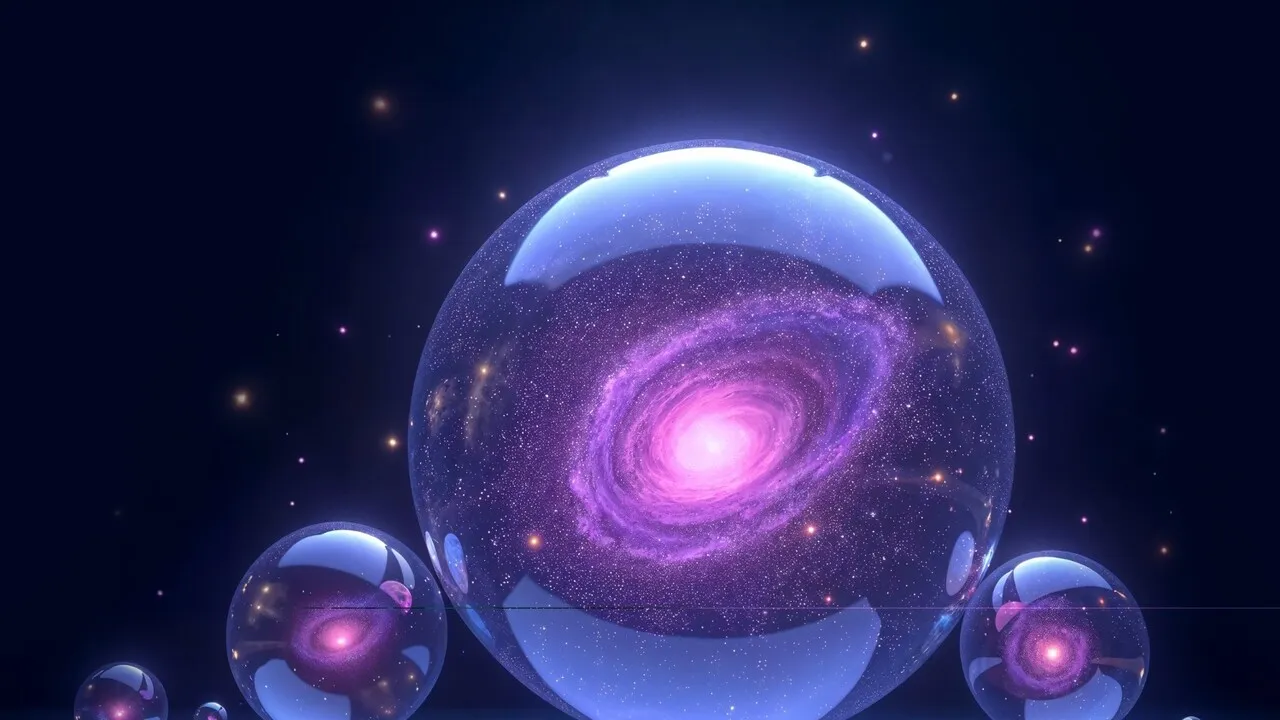
Physicists create a room-temperature supersolid from light and matter — Read on ScienceAlertA laser-driven mixture of light and matter showed supersolid behaviour at room temperature, with spontaneous stripes and quantum vortices. The voltage-tunable cavity offers a new way to explore these unusual quantum states.Research ScienceAlert +3
Electrical noise links a superconductor’s puzzling energy gap to electron pairs — Read on Ars TechnicaLow-temperature noise measurements link a puzzling energy gap in a copper-oxide superconductor to electron pairing. The result strengthens a pairing-based explanation of a longstanding puzzle in superconductivity.Research Ars Technica +2UU
Cosmic radiation limits giant primordial black holes’ role in dark matter — Read on Space.comA calculation finds randomly scattered primordial black holes of at least 100 billion solar masses cannot make up much of dark matter. Limits from ancient cosmic radiation narrow the possible explanations for this unseen matter.Research Space.com +3
Satellite captures Europe’s weather every 2.5 minutes in imaging test — Read on Phys.orgMTG-I2 has delivered a 45-hour sequence showing Europe and northern Africa every 2.5 minutes. The demonstration offers a closer view of rapidly developing weather as calibration continues towards operational service expected in mid-2027.Phys.org +2EU
Earth’s shifting interior may explain gaps of up to a billion years in its rocks — Read on Scientific AmericanSix simulations support an explanation for gaps of up to a billion years in Earth’s rock record. Mantle-driven uplift, glacial erosion and later sinking could explain both the missing layers and the preservation of the gap.Research Scientific American +4
Even an ideal superfluid would sap light’s energy, a preprint predicts — Read on Scientific AmericanA preprint calculates that light can lose energy by creating sound waves in an ideal, zero-temperature superfluid. The theory identifies a limit to transparency even in this pure, frictionless liquid.Preprint Scientific American +1
Research Euronews +1Intense heat turns old wind turbine blades into additives that stiffen resin — Show the summaryResearchers converted waste wind turbine blade material into silicon carbide and graphene additives. At 0.3% by weight, the additives increased laboratory resin’s resistance to deformation by 27% under tension and 9% under bending.
Research Mondosanità +2WUIWEA gut virus suspected of causing illness can infect bacteria — Show the summaryExperiments show that one picobirnavirus variant replicates in gut bacteria. The finding establishes a bacterial host for a member of a virus family long suspected of causing intestinal disease.
Research Interesting Engineering +3QIPPSAI-assisted preprint claims proof of a longstanding quantum computing conjecture — Show the summaryA preprint claims a full proof of the Aaronson–Ambainis conjecture and supplies public formal verification files. It addresses limits on quantum savings in input reads for most uniformly random inputs.
Research Tech Xplore +2TXIDFGel membrane lets experimental fluoride batteries cycle at room temperature — Show the summaryA gel membrane enabled more than 50 cycles in experimental fluoride-ion coin cells at room temperature. It addresses the challenge of moving ions through a near-solid electrolyte.
Research ScienceAlert +2Flexible connectors let nanoparticles assemble into new crystal structures — Show the summaryResearchers made nanoparticle crystals using flexible polymer connectors that rearrange as the particles assemble. Changing particle size and connector length offers a new way to control crystal structure.
Le Monde +4OFFCHFrance’s new-generation TGV enters passenger service between Paris and Marseille — Show the summarySNCF’s new-generation TGV carried its first passengers between Paris and Marseille on 6 November. The launch puts a modular design capable of seating up to 740 passengers into service as part of its fleet replacement programme.
Research National Geographic +3NGGas detections on Mars point to possible volcanic activity beneath the surface — Show the summaryAn orbital study links localised hydrogen chloride detections and fresh cracks near Alba Mons to possible underground volcanic activity. The findings offer new clues to whether Mars remains geologically active.
TechCrunch +3AMGIAxiom releases a maths library with computer-checked proofs — Show the summaryAxiom has released an open-source library of computer-checked proofs for algebraic geometry. Researchers can reuse its definitions and theorems as foundations for further formal proofs.
Research OpenAI +1OpenAI reports AI exposed 948 Linux security flaws and proposed fixes — Show the summaryIn controlled tests, OpenAI reports working attacks and candidate patches for 948 distinct Linux security flaws. The results point to a way to scale security testing and the preparation of fixes.
Research ScienceAlert +3GEAncient DNA traces migrations linked to Celtic and Germanic language spread — Show the summaryTwo ancient-DNA studies link population movements to proposed routes of Celtic and Germanic language spread. Adding 712 ancient genomes provides new evidence for testing how these languages spread across Europe.
Research NatureScientists directly measure the duration of ultrashort hard X-ray flashes — Show the summaryA Nature paper reports direct measurements of hard X-ray pulses averaging 170 attoseconds. The method characterises their duration, coherence and synchronisation, adding a tool for experiments on ultrashort timescales.
Research BBC +2BBCCERN experiment finds evidence of an exceptionally rare particle decay — Show the summaryA preprint reports LHCb evidence for a particle decay predicted to occur once in ten billion neutral B-meson decays. The measurement offers a new precision test of the Standard Model of particle physics.
Research Tech Xplore +1TXBMMultiplying bacteria explore possible answers in a prototype biological computer — Show the summaryResearchers demonstrated bacteria exploring tiny connected channels that encode mathematical problems. As the bacteria divide, they add more agents to explore possible answers in parallel.
Research CNN +3Possible blood-cell remnants found in 115-million-year-old dinosaur bone — Show the summaryResearchers detected haem-derived molecules associated with mineralised cell-like structures in a 115-million-year-old dinosaur bone. The finding adds evidence that molecular remnants can persist over geological time.
Research ANSA +3BSNChanges inside an ultracold atom cloud provide an internal clock — Show the summaryAn experiment with about 24,000 ultracold atoms used entropy exchanges to construct an internal clock that broadly tracked the cloud’s evolution. It offers a laboratory test of how time can be defined through changes within a system.
Research inkorr.com +3ICA silicon chip separates mixed light into distinct patterns — Show the summaryA silicon chip separated mixed light into distinct, mutually incoherent patterns in laboratory tests. The capability could support future microscopy, astronomy and optical communications.
Research Tech Xplore +1TXNew electrolyte unlocks tin’s two charge-storing reactions for flow batteries — Show the summaryA redesigned electrolyte enabled both of tin’s charge-storing reactions in a laboratory flow battery. Energy efficiency reached 89%, versus 53% with chloride alone at the same tested current density.
Research ScienceAlert +4UTIDFStorm observations reveal electron acceleration inside Earth’s radiation boundary — Show the summaryArase satellite observations show electrons gaining energy locally inside Earth’s usual radiation-belt boundary during the May 2024 storm. The finding helps explain how high-energy particles arise in this region.
Research ScienceAlert +1Interstellar comet’s unusual methane points to a very cold birthplace — Show the summaryMethane in interstellar comet 3I/ATLAS has a heavy-to-normal hydrogen ratio about 14 times that in comet 67P. The chemical signature points to formation in extreme cold beyond our Solar System.
Research Tech Xplore +1TXIDFCirculating chemicals form a working UV sensor inside a robot — Show the summaryResearchers circulated chemicals through a moth-shaped robot, using UV light to form a working sensor inside its body. The sensor then sent signals to an existing controller to move its wings or light an LED.
Research ANSA +2INComets were unlikely to supply enough of a key ingredient for life on Earth, models suggest — Show the summaryModels suggest comet impacts rarely supplied useful concentrations of hydrogen cyanide on early Earth. The research narrows a proposed route by which a chemical ingredient for life’s origins could have reached the planet.
Research The TransmitterFruit-fly wiring map traces taste signals towards feeding circuits — Show the summaryResearchers mapped pathways linking taste sensors across fruit flies' bodies to circuits associated with feeding and other responses. The wiring map offers testable hypotheses about how sensory inputs guide behaviour.
Preprint Quanta MagazineQMNew map suggests unstable gas surrounds cold clouds between stars — Show the summaryA preprint reconstructs nearby interstellar gas in three dimensions, placing thermally unstable gas around cold clouds. The model-based map offers a benchmark for understanding how stars form.
Research Scientific American +4Scientists add and remove brain connections in living animals — Show the summaryEngineered tools add connections between selected nerve cells in worms and mice, while another removes selected connections in mice. These experiments give researchers new ways to test how brain wiring shapes behaviour.
Preprint Scientific AmericanMathematicians prove infinitely many Ramanujan-style equations — Show the summaryA preprint proves an infinite family of equations linking sums and infinite products. The result connects Ramanujan-style mathematics with the geometry of knots, extending previously established cases.
Research Science News +2NIFClose microbial relatives of complex cells have simple interiors — Show the summaryResearchers cultivated two archaeal strains closely related to complex-celled life, finding simple interiors and dependence on microbial partners. The cultures offer a way to test ideas about how complex cells evolved.
Research Euronews +4HUA thin polymer cooler reaches 12.9°C below a reference box in outdoor tests — Show the summaryA thin polymer material reached temperatures up to 12.9°C below an empty reference box in outdoor tests without electricity for cooling. Its controlled structure offers a new approach to making passive cooling materials.
Preprint Science +1IBM links two quantum chips with 99% accuracy in transferring quantum states — Show the summaryAn IBM preprint reports four links between two quantum chips, transferring quantum states with 99% mean fidelity. The experiment tests a way to connect processors into larger quantum computers.
Research Al Jazeera +1OpenAI announces three discoveries in mathematics, computer science and physics — Show the summaryThe proposed solutions concern the behaviour of waves, the limits of computing and fundamental particles. Outside researchers are examining the proofs; the physics materials have not yet been made public.
Research Australian Broadcasting Corporation (ABC) +1IDFJumping spiders show a two-stage sleep pattern — Show the summaryA peer-reviewed PNAS study finds that Portia fimbriata has a quiet sleep phase and a REM-like phase marked by eye movements and muscle activity. Sleep disruption led to rebound rest, extending behavioural evidence of sleep to spiders.
The Business Times +2STMGSSingapore commits S$150m to AI-led materials discovery — Show the summarySingapore has committed S$150 million to an A*STAR-led platform combining AI with automated laboratories to discover and test new materials. It is intended to move promising materials towards industrial use through manufacturing validation.
Research The Hindu +1IDFKashmir’s traditional rice reveals genetic links to East Asia — Show the summaryGenome sequencing of 142 rice samples from Kashmir links traditional varieties to temperate East Asian rice. The study identifies variants associated with cold adaptation, offering material for future breeding.