A general suspicious mindset is not always central to conspiracy beliefs — Read on PsyPostAcross nearly 30,000 respondents in 17 national samples, a general conspiracy mindset was not consistently central to networks of specific beliefs. The findings challenge a common account of how conspiracy beliefs fit together.Research PsyPost +2IDFLIImage: Solar Punk
Religious US adults can combine secular outlooks with belief in magic — Show the summaryA survey of 1,812 US adults links a secular-rationalist outlook to stronger magical beliefs among those with religious ties. It adds evidence that confidence in science and supernatural beliefs can coexist.Research ScienceAlert +3
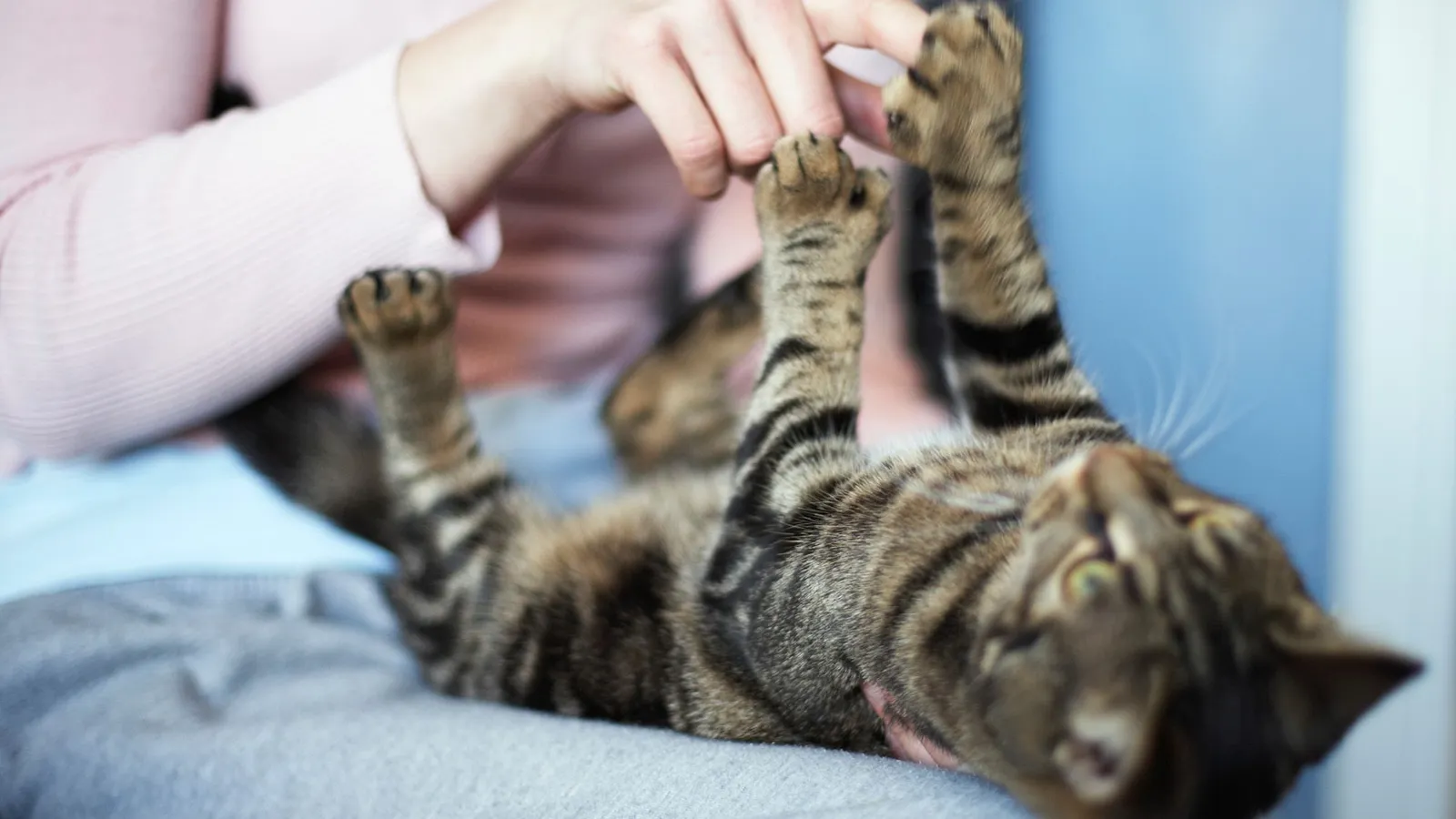
Cat specialists link resistance to belly rubs with vulnerability and sensitivity — Show the summaryTwo feline behaviour specialists suggest vulnerability and sensory sensitivity help explain resistance to belly, paw and tail touches. Their explanations illuminate cats' individual preferences and control over contact.Live Science +4BSFICC
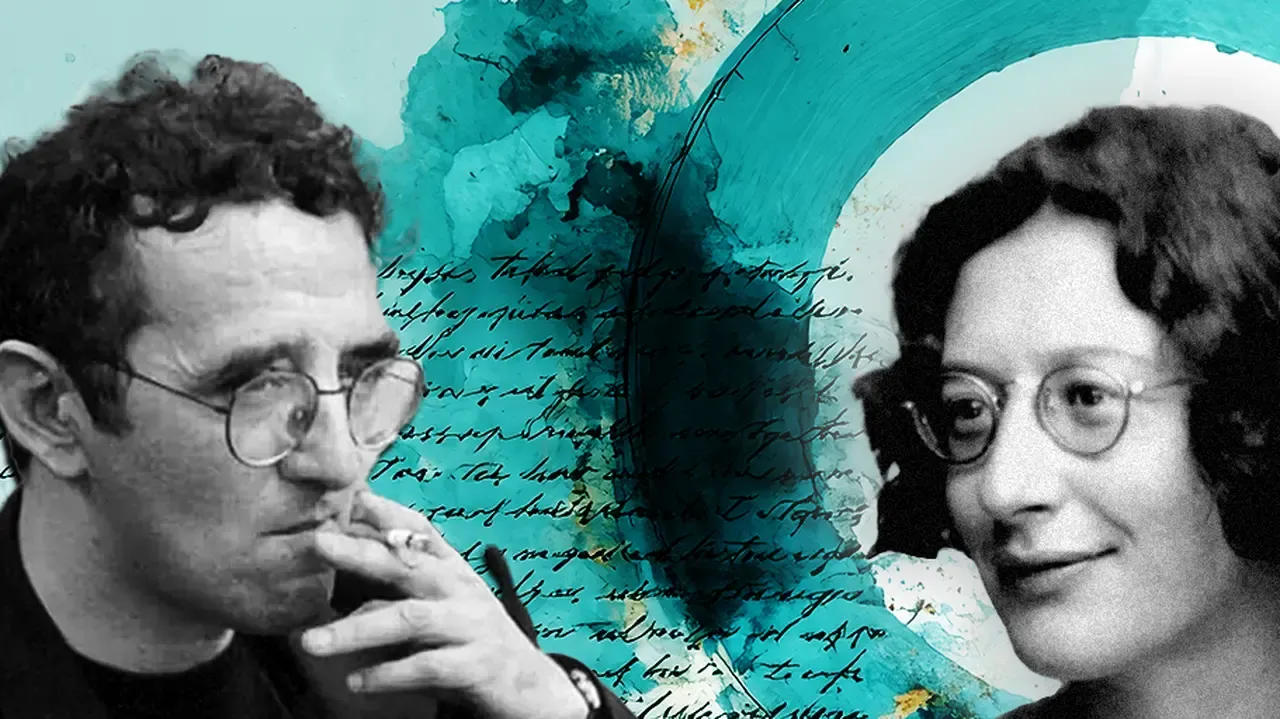
Finn Janning reads Bolaño and Weil as guides to facing suffering — Show the summaryIn a new essay, Finn Janning links Bolaño’s 2666 with Simone Weil’s ethics of attention. His reading explores how confronting others’ suffering can challenge avoidance and deepen ethical awareness.Institute of Art and Ideas (IAI TV) +1
Daily hassles are linked to small dips in feelings of romantic love — Read on PsyPostIn 14-day diaries from 100 couples, people reported slightly less love, passion and intimacy on days with more outside hassles than usual. The findings help distinguish daily shifts in romantic feelings from differences between people.Research PsyPost +1HRPImage: PsyPost
Blaming outside factors for simulated betting losses is linked to wanting help — Show the summaryFive studies involving 619 participants examined betting behaviour and help-seeking. In simulations, blaming outside factors for large losses was linked to stronger intentions to seek help, offering insight into responses to gambling harm.Research PsyPost +1
A bull and a male donkey repeatedly paired for sex in Ethiopia — Show the summaryObservers recorded 51 mountings between a bull and a male donkey over four days together in Ethiopia. The pair also licked, rubbed and stayed near each other despite access to other potential partners.Research Scientific American +4DE
Loving-kindness meditation shows no edge over relaxation in online trial — Show the summaryAfter four weeks, loving-kindness meditation showed no advantage over muscle relaxation for induced pain or social well-being among 69 trial completers. The comparison helps define the limits of a contemplative practice.Research PsyPost +1PLOS
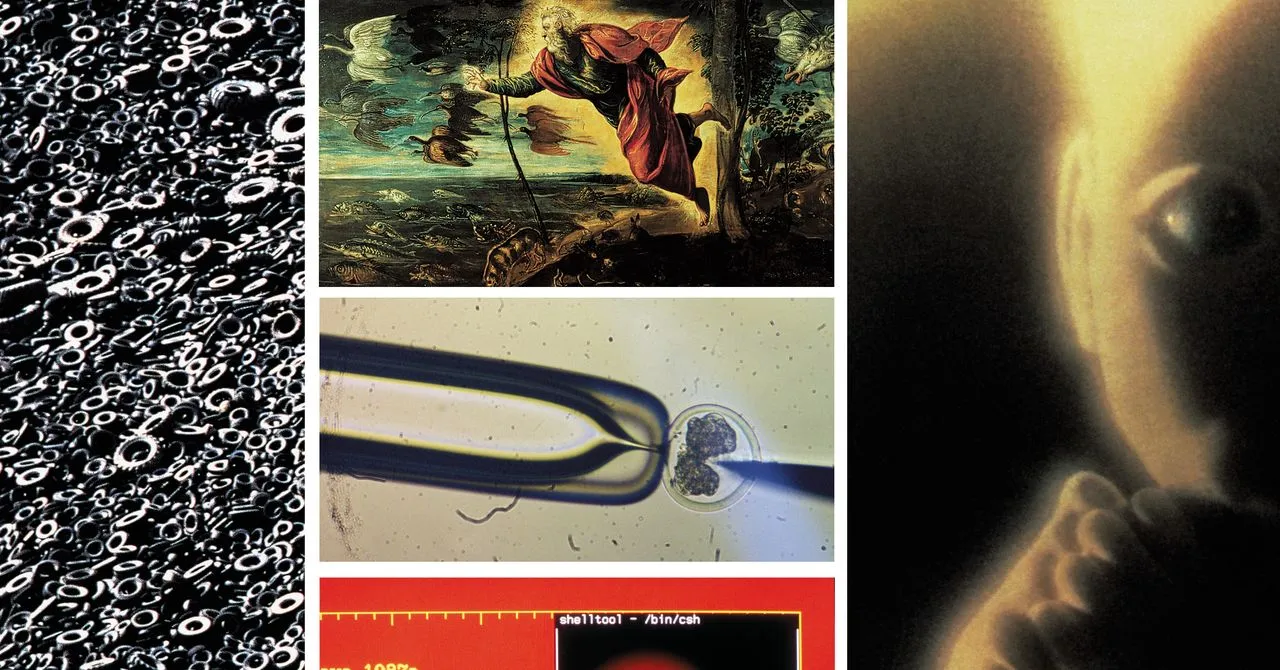
WIRED +1Denise Herzing explains how AI can probe dolphin communication — Show the summaryDolphin researcher Denise Herzing explains how AI can trace patterns in recorded calls. Linking those sounds to observed behaviour offers a way to investigate meaning in dolphin communication.
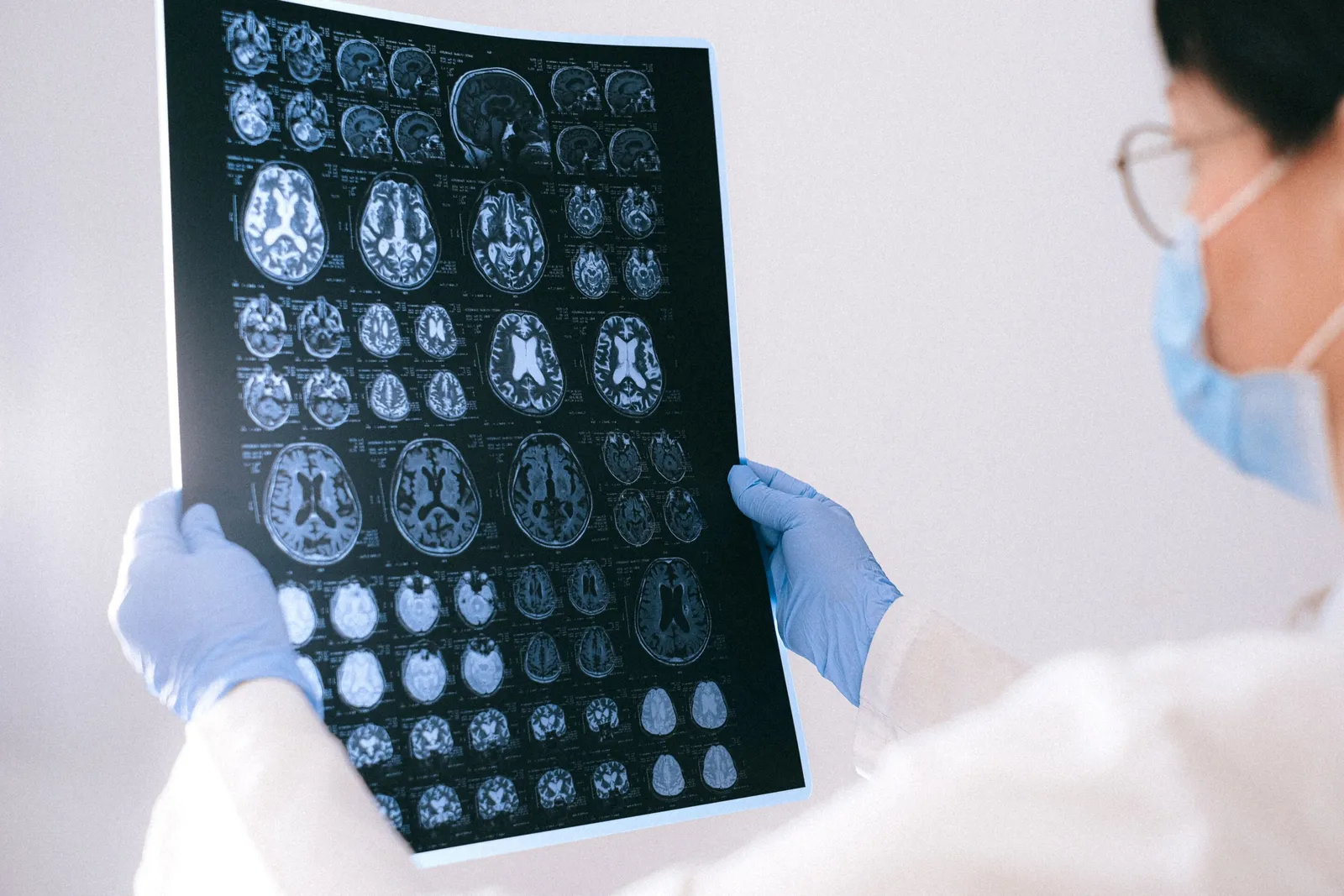
Research ScienceAlert +1PLOSBrain activity shows grid-like patterns when people judge emotions — Show the summaryBrain scans of 18 people revealed sixfold activity patterns while they judged emotional information in faces and words. The findings support the idea that the brain uses a grid-like map to organise emotion concepts.
Quanta Magazine +3QMINTCTAI models can flag internal changes, but researchers disagree on what that means — Show the summaryQuanta examines a year of experiments on whether AI models can detect changes to their own internal activity. Its feature distinguishes detecting a change from identifying it, clarifying the debate over machine introspection.
Research Scientific American +3Brain stimulation improves memory-task performance but makes effort less appealing — Show the summaryIn 31 healthy volunteers, brain stimulation improved memory-task performance but increased later avoidance of demanding tasks. The experiment adds evidence about how mental exertion affects willingness to keep trying.
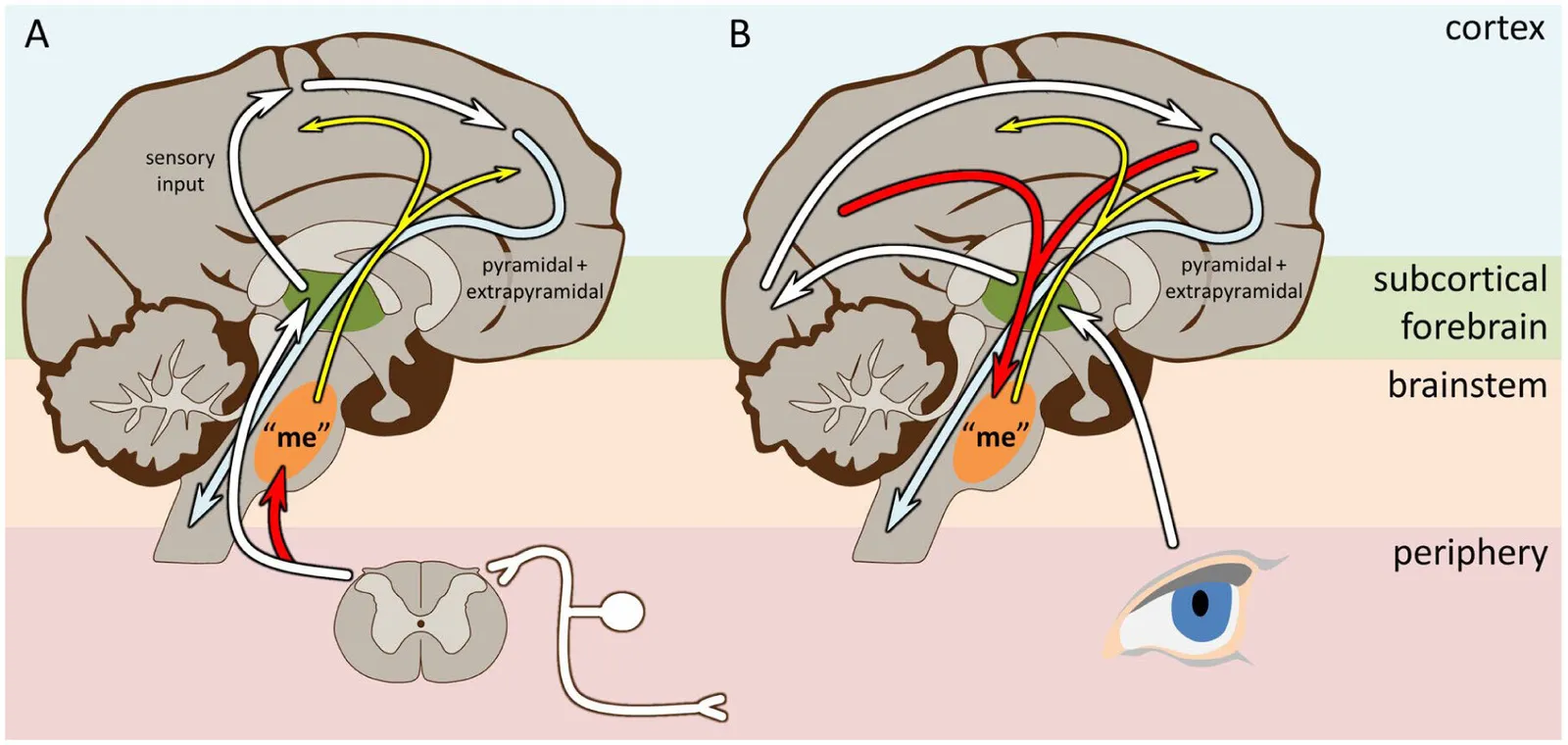
PsyPost +1Neuroscientists propose that conscious experience begins in the brainstem — Show the summaryMarshall Devor and Mark Baron propose that brainstem circuits generate basic conscious experience. Their pain-centred account draws on earlier research to distinguish the source of experience from the processing of its contents.
New York Times +2NGBereaved coyotes offer clues to the biology of loss — Show the summaryEmily Anthes explores animal grief through reporting from a coyote research laboratory. Differences in stress-receptor binding between widowed and paired females inform the feature’s examination of bereavement.
Research PsyPost +3PHDescribing touch objectively reduces sensory brain responses in autistic children — Show the summaryIn a scanning experiment, 47 autistic children aged 8–15 showed lower sensory brain responses when describing unpleasant textures objectively. The finding shows how cognitive framing can alter sensory processing.
Nautilus +2NEMBA mouse brain region tracks several signs of sickness at once — Show the summaryA Nautilus interview explores mouse research linking activity in one brain region to several signs of sickness together. It offers a perspective on how the brain represents changes inside the body.
Aeon +2HTwo scholars argue that how we believe matters for church–state separation — Show the summaryNeil Van Leeuwen and Jacob Eisler distinguish religious commitment from evidence-responsive factual belief. Their essay uses that contested distinction to make a psychological case for separating church and state.
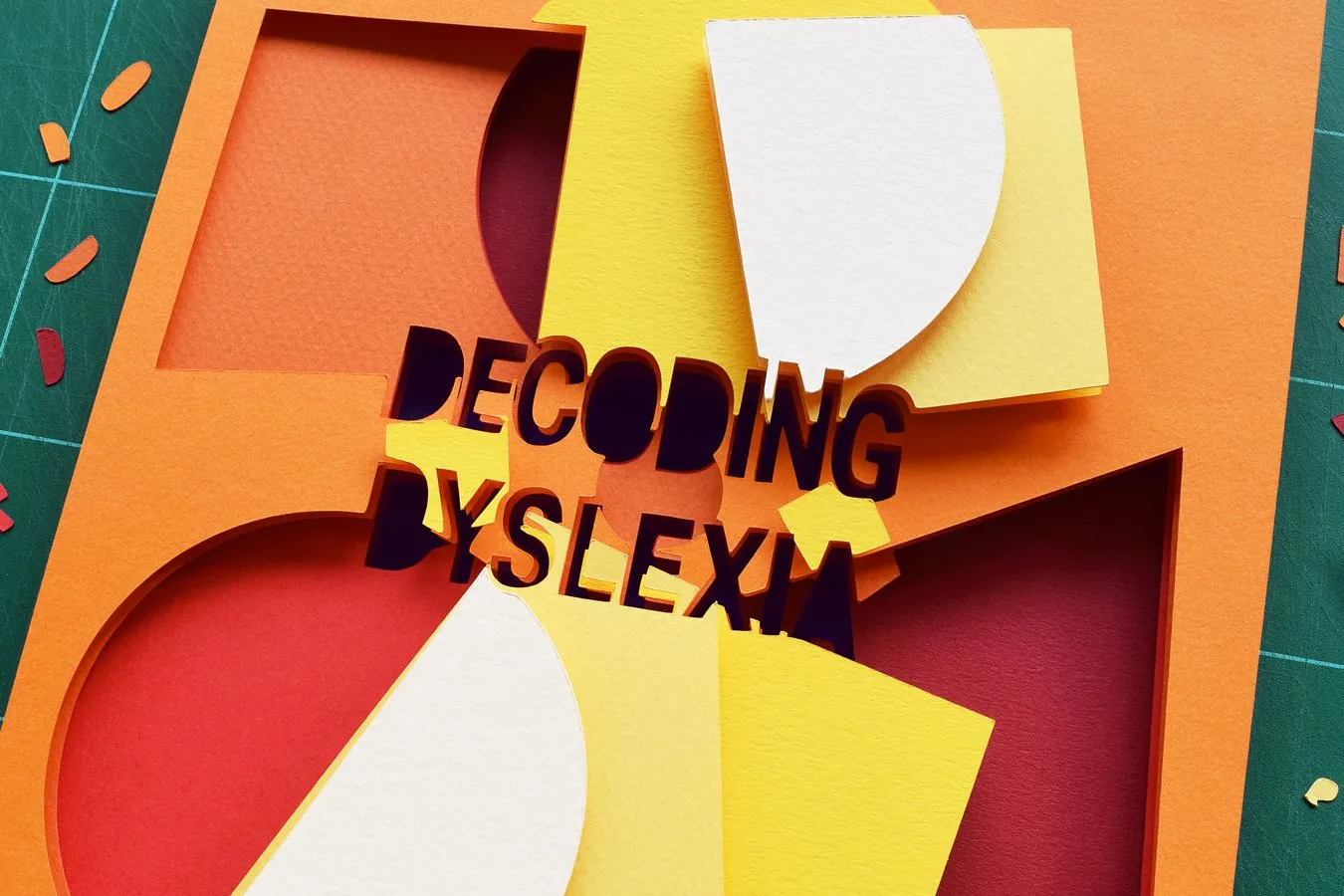
New Scientist +5Dyslexia can involve different difficulties with speech and vision — Show the summaryA New Scientist feature brings together research on how speech, vision and genetic susceptibility relate to dyslexia. It explains why reading difficulties can vary and why support may need to differ.
Research Live Science +3Virtual reality and meditation training increases reports of lucid-like dreams — Show the summaryIn a randomised study of 38 adults, dream training with virtual reality and meditation increased reports of lucid or partly lucid dreams over five weeks. The findings suggest a way to train awareness during dreaming.
Preprint New Scientist +1Curiosity-driven learning helps neural networks tackle unfamiliar tasks — Show the summaryA preprint reports that curiosity-like learning helped neural networks handle unfamiliar tasks and develop more brain-like organisation. Drawing on observations of 275 infants, it offers a testable account of how exploration shapes cognition.
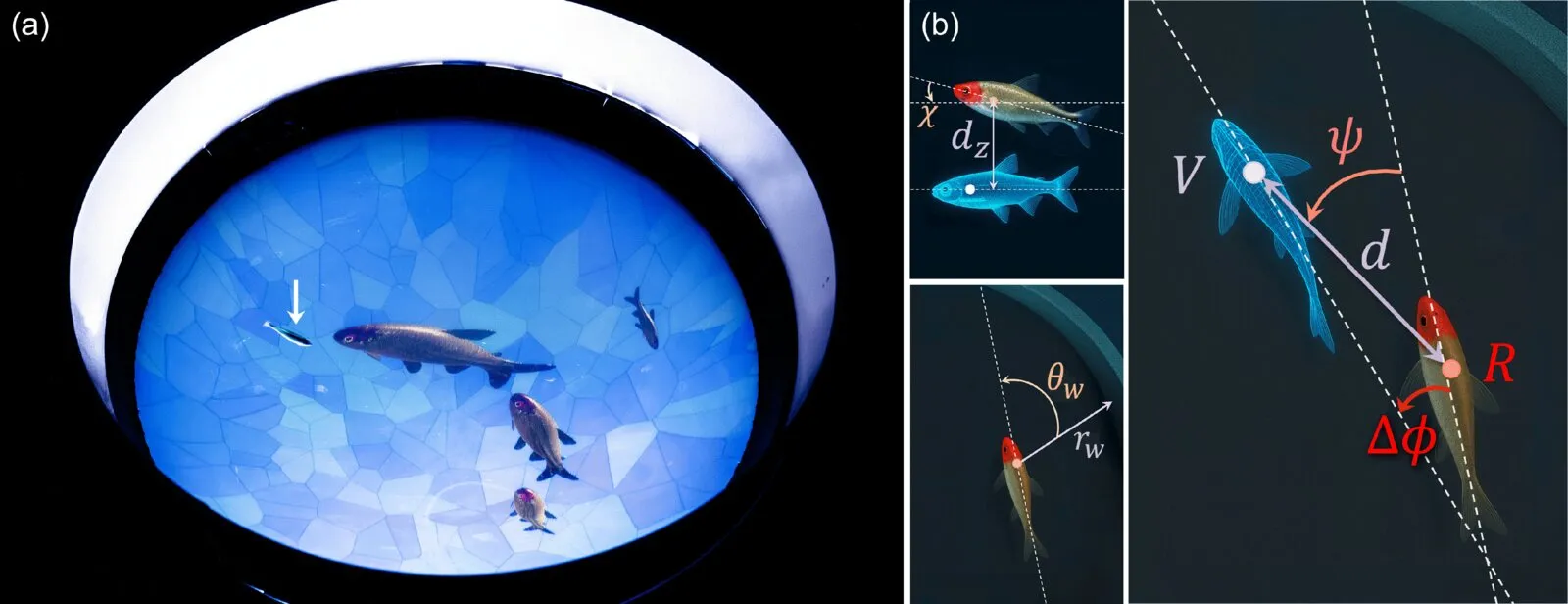
Research New Scientist +3Fish in virtual reality follow one influential neighbour at a time — Show the summaryRummy-nose tetras interacting with four virtual fish behaved as if following one influential neighbour at a time, switching as the group moved. The experiment helps explain how fish select visual information when swimming together.
New York Times +3BBCTSToni Sims makes the case for investigating possible AI consciousness — Show the summaryIn a New York Times essay, philosopher Toni Sims argues for investigating whether AI could have subjective experience. Her argument separates intelligence from consciousness, clarifying what is at stake in the debate over machine minds.
ScienceAlert +1Some people who cannot picture things awake report visual dreams — Show the summarySome people with aphantasia report visual dreams despite having little or no voluntary visual imagery while awake. A feature drawing on a 205-person survey explores how inner experience differs between waking and dreaming.
Research PsyPost +1HWUFeeling humanised by political opponents is linked to greater openness to compromise — Show the summaryAcross five experiments with 1,541 participants, humanising messages from political opponents encouraged conciliatory attitudes. Reduced disgust was the main statistical link, offering insight into emotional barriers to compromise.
Mondosanità +2Emotional context helps explain why horror can leave us on edge — Show the summaryFrancesca Romanin connects research on emotional context and threat perception to unease after horror films. Experiments with scary music and faces offer a window into how context colours perception.
WUSF +2WUAUTHorror music echoes the sound qualities that make screams alarming — Show the summaryAn NPR feature explores how acoustic roughness helps make fearful screams alarming. Interviews and film examples explain how horror music can imitate that quality to unsettle listeners.
The New Yorker +2Joshua Rothman explores why being replaceable need not mean being unneeded — Show the summaryJoshua Rothman’s essay distinguishes economic replaceability from having a meaningful place in other people’s lives. Drawing on philosophy and psychology, he explores how giving and receiving care can shape a sense of mattering.
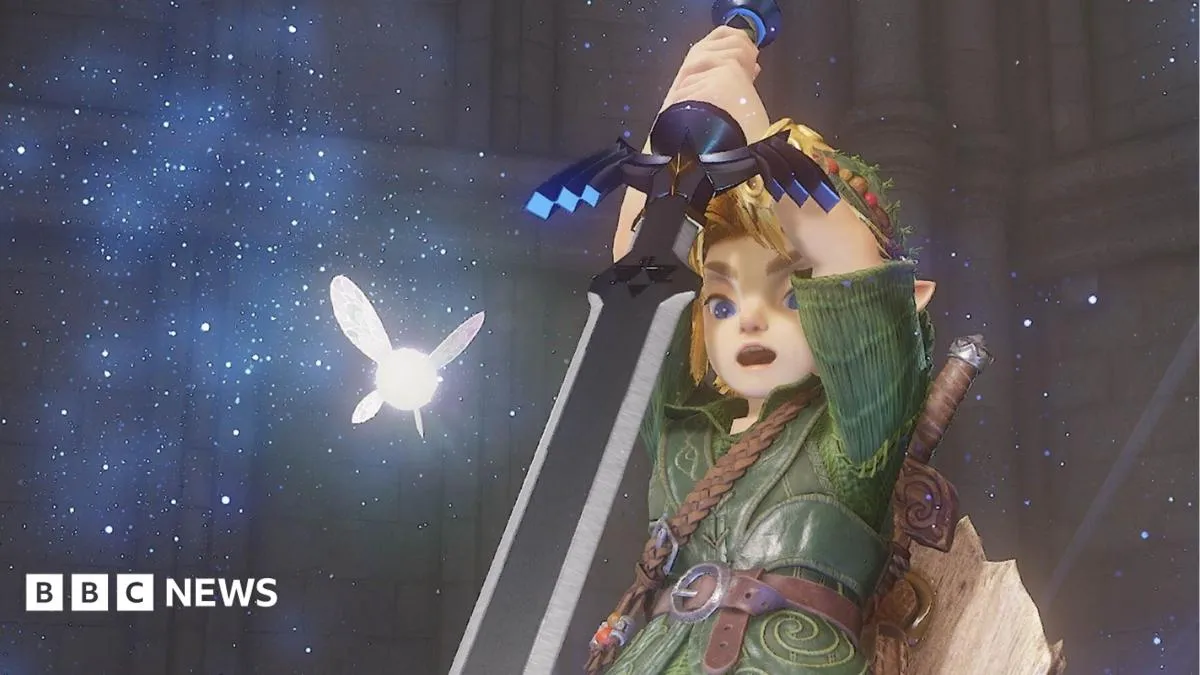
BBC News +1BBCNIVideo game remakes tap memories of past worlds and relationships — Show the summaryBBC interviews explore how revisiting familiar games evokes memories of earlier lives and shared experiences. The feature connects nostalgia with sharing games across generations and the appeal of remakes.
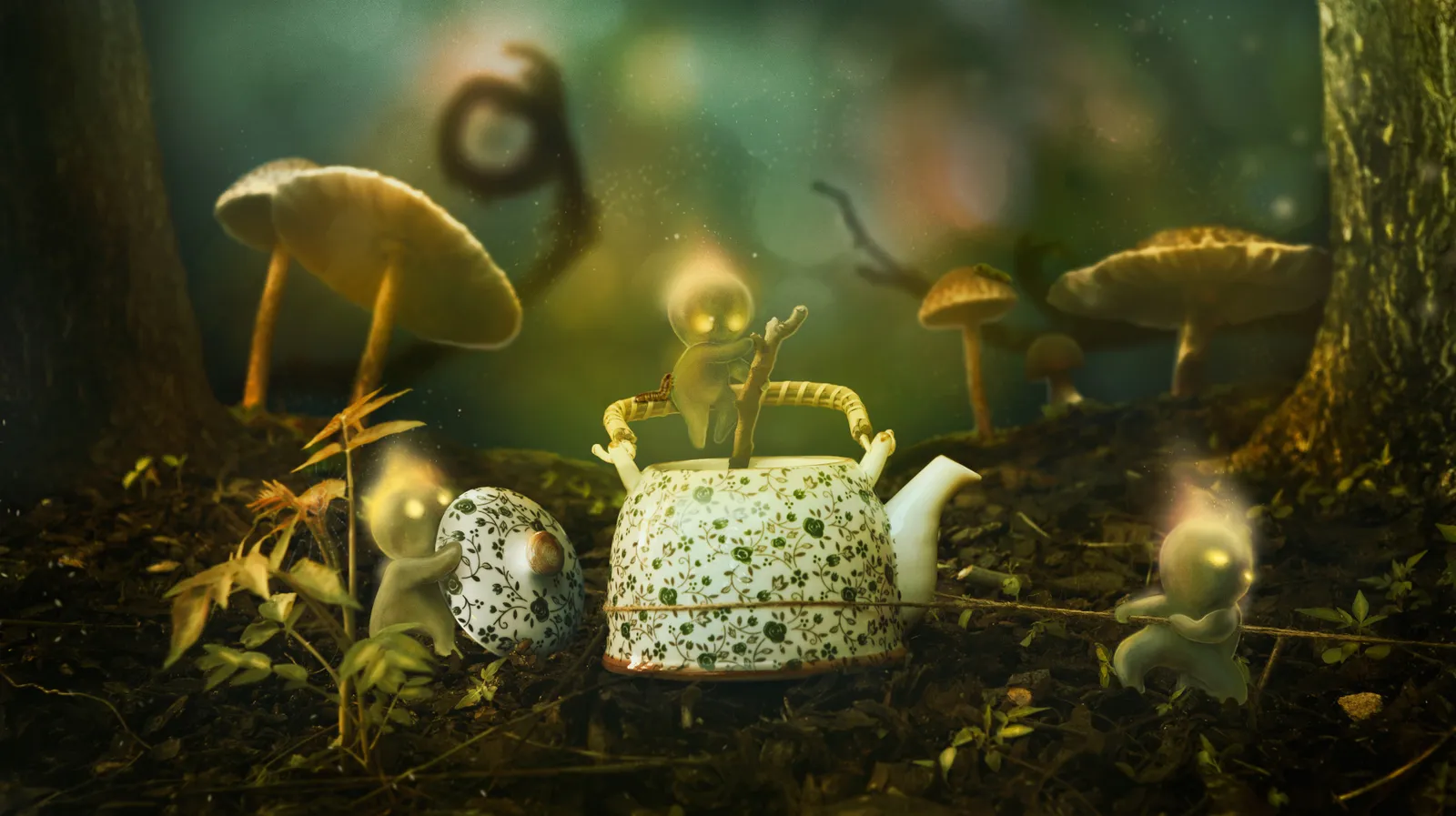
Research Focus +1IDFMushroom linked to tiny-human visions lacks genes for two known hallucinogens — Show the summaryGenomic research on Lanmaoa asiatica found no canonical genes for making psilocybin or ibotenic acid. The finding gives researchers a clue as they investigate the mushroom’s reported miniature-human hallucinations.
Research El País +1A memory protein changes structure as fruit flies age — Show the summaryA Cell study links age-related changes in the structure of the Orb2 protein to memory impairment in fruit flies. The findings help explain how a protein involved in forming memories changes during ageing.
Psyche +2MIJGiving up a goal can reveal what matters to us, a philosopher argues — Show the summaryPhilosopher Mario I Juarez-Garcia argues that abandoning a goal can reveal motivations and alternatives that persistence leaves unexplored. His Psyche essay offers a way to understand changing commitments as exploration rather than simply failure.
Mondosanità +2UAIDFBeing aware of a thought does not mean choosing to start it — Show the summaryAlessandro Malpelo’s feature explains how thoughts can enter awareness without being deliberately started. Drawing on reviews of mind-wandering, it explores how drifting attention can support imagination and cause distraction.
Research Science News +3Seabirds’ course errors are linked to body clocks out of step with the sun — Show the summaryGPS tracking of 1,045 Manx shearwaters links course deviations of up to 15 degrees to a mismatch between body clocks and local solar time. The finding helps explain how birds use the sun to navigate, even when coastlines offer other cues.
Research PsyPost +2COThreats to manhood shift stated attitudes less in men with flexible masculine identities — Show the summaryIn an experiment with 988 heterosexual American men, threatening feedback slightly increased support for rigid masculine norms. Men scoring higher on a measure of flexible masculine identity showed a smaller shift, linking identity to defensiveness.
Research PsyPost +1AOA sixth-finger illusion changes what people think their hand can grasp — Show the summaryIn 50 adults, a mirror-and-touch trick intended to evoke a sixth finger increased estimates of graspable width and clearance needed for the hand. The experiment connects altered body representation with perceived action limits.
Research NatureActivity at the front of the brain does not track skill at reframing emotions — Show the summaryAn analysis of 40 brain-scan datasets involving up to 2,175 participants found no shared neural signature across three measures of emotional reframing ability. It challenges using prefrontal activity to gauge individual skill.
Research Frontiers in (Academic Publishing)More frequent yoga posture practice and meditation are linked to higher wellbeing in a Hungarian survey — Show the summaryAmong 379 Hungarian yoga practitioners, more frequent posture practice and meditation were linked to higher self-reported wellbeing. Analysing four components together helps distinguish their overlapping associations.
University of Chicago +3UCUSFScholars explore how culture shapes accounts of near-death experiences — Show the summaryTwo University of Chicago scholars explore how people interpret reported near-death experiences. Their interview brings anthropology and Islamic intellectual traditions into the discussion of what these experiences mean.
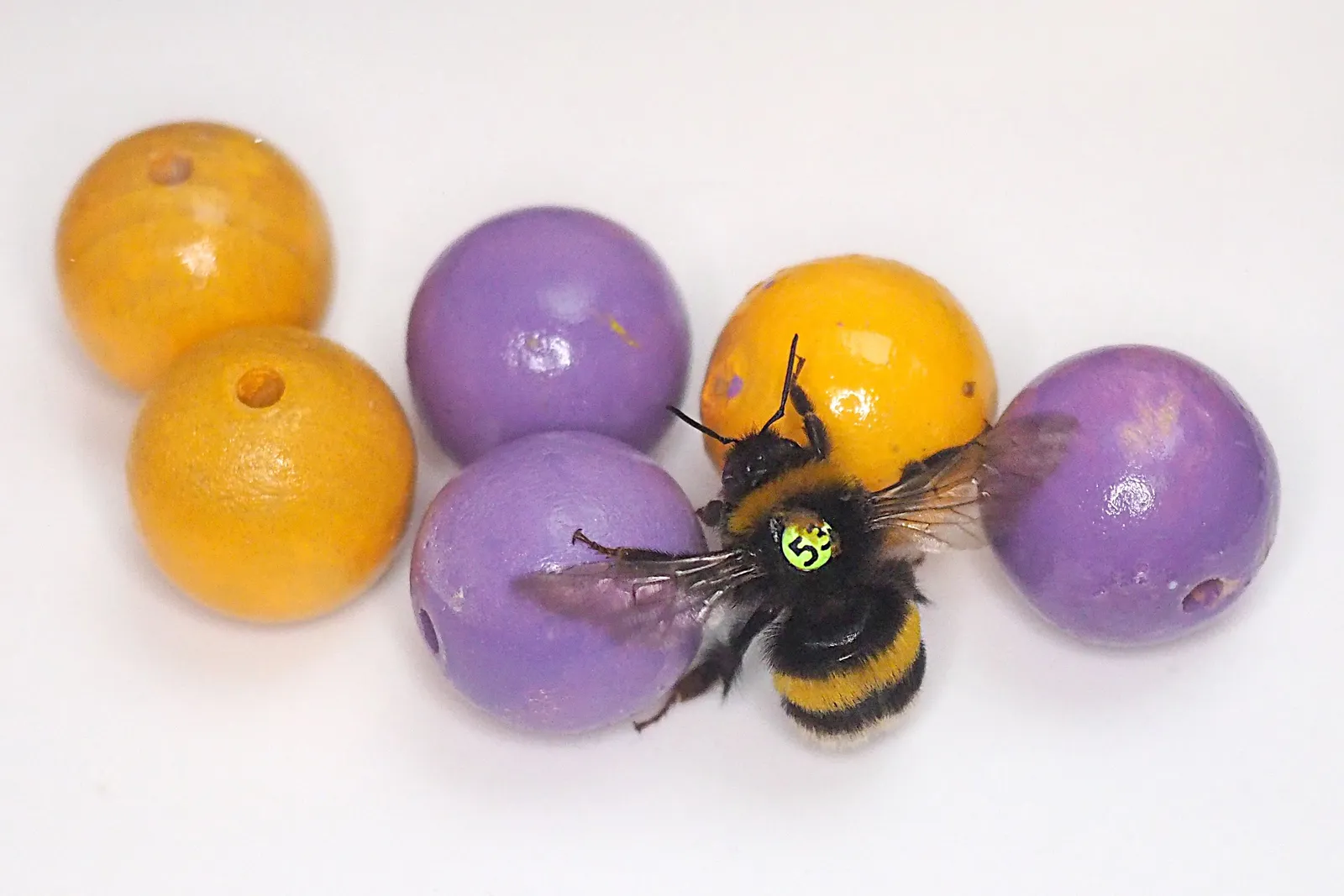
New Scientist +3IDFBee play offers clues to animal consciousness — Show the summaryBumblebees roll balls even without a food reward. A New Scientist feature explores what play and other behaviours can tell us about animals’ experience.
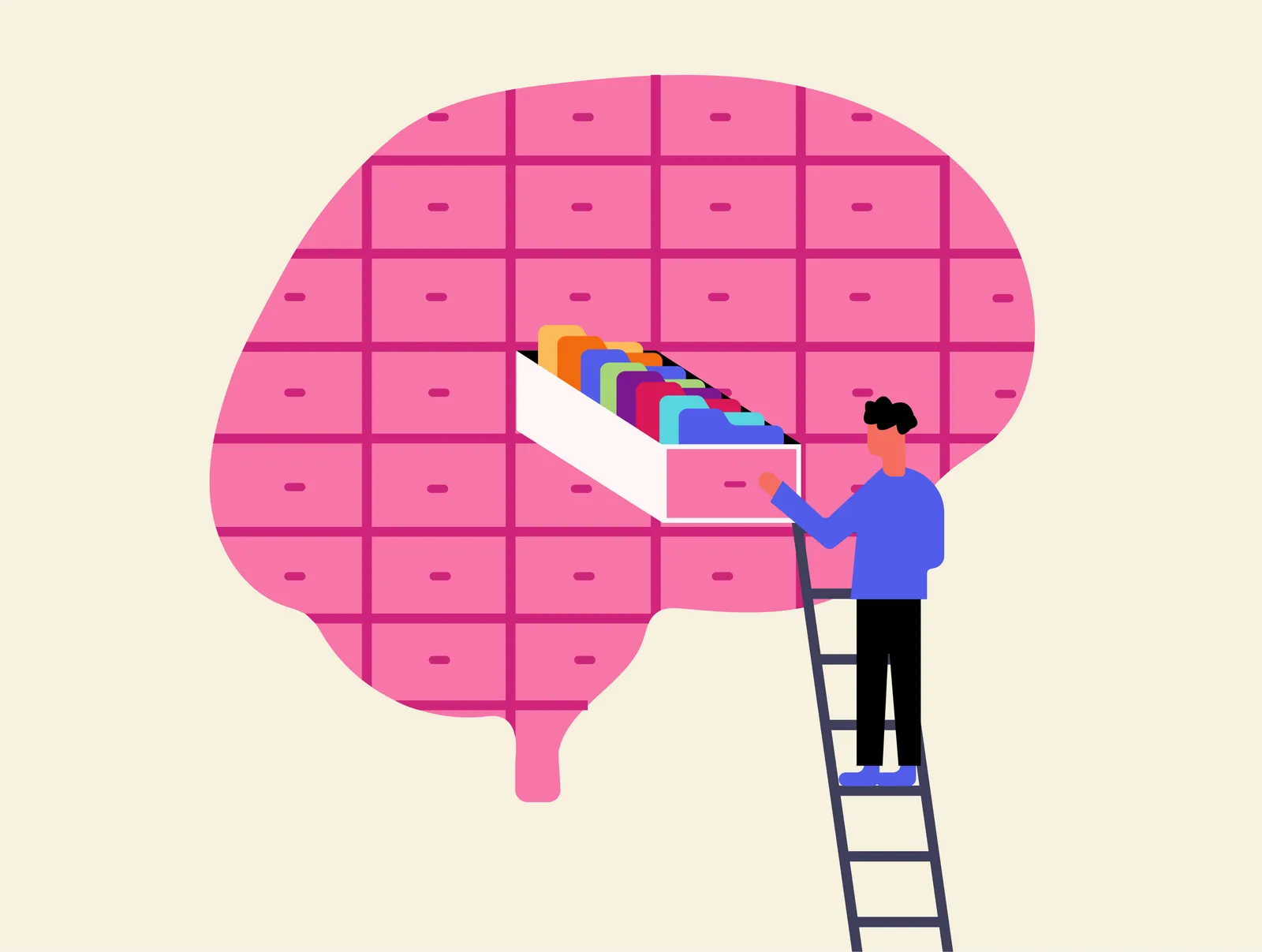
Research Nautilus +2NTFOJNA teenager with exceptional personal recall reports frequent spontaneous memories — Show the summaryA case study links a teenager’s exceptional recall of personal experiences with unusually frequent spontaneous memories. In a new interview, its author explores how memories surfacing unbidden might help sustain that recall.
A general suspicious mindset is not always central to conspiracy beliefs — Read on PsyPostAcross nearly 30,000 respondents in 17 national samples, a general conspiracy mindset was not consistently central to networks of specific beliefs. The findings challenge a common account of how conspiracy beliefs fit together.Research PsyPost +2IDFLIImage: Solar Punk
Image: The ConversationReligious US adults can combine secular outlooks with belief in magic — Read on ScienceAlertA survey of 1,812 US adults links a secular-rationalist outlook to stronger magical beliefs among those with religious ties. It adds evidence that confidence in science and supernatural beliefs can coexist.Research ScienceAlert +3
Cat specialists link resistance to belly rubs with vulnerability and sensitivity — Read on Live ScienceTwo feline behaviour specialists suggest vulnerability and sensory sensitivity help explain resistance to belly, paw and tail touches. Their explanations illuminate cats' individual preferences and control over contact.Live Science +4BSFICC
Finn Janning reads Bolaño and Weil as guides to facing suffering — Read on Institute of Art and Ideas (IAI TV)In a new essay, Finn Janning links Bolaño’s 2666 with Simone Weil’s ethics of attention. His reading explores how confronting others’ suffering can challenge avoidance and deepen ethical awareness.Institute of Art and Ideas (IAI TV) +1
Daily hassles are linked to small dips in feelings of romantic love — Read on PsyPostIn 14-day diaries from 100 couples, people reported slightly less love, passion and intimacy on days with more outside hassles than usual. The findings help distinguish daily shifts in romantic feelings from differences between people.Research PsyPost +1HRP
Blaming outside factors for simulated betting losses is linked to wanting help — Read on PsyPostFive studies involving 619 participants examined betting behaviour and help-seeking. In simulations, blaming outside factors for large losses was linked to stronger intentions to seek help, offering insight into responses to gambling harm.Research PsyPost +1
Research Scientific American +4DEA bull and a male donkey repeatedly paired for sex in Ethiopia — Show the summaryObservers recorded 51 mountings between a bull and a male donkey over four days together in Ethiopia. The pair also licked, rubbed and stayed near each other despite access to other potential partners.
Research PsyPost +1PLOSLoving-kindness meditation shows no edge over relaxation in online trial — Show the summaryAfter four weeks, loving-kindness meditation showed no advantage over muscle relaxation for induced pain or social well-being among 69 trial completers. The comparison helps define the limits of a contemplative practice.
WIRED +1Denise Herzing explains how AI can probe dolphin communication — Show the summaryDolphin researcher Denise Herzing explains how AI can trace patterns in recorded calls. Linking those sounds to observed behaviour offers a way to investigate meaning in dolphin communication.
Research ScienceAlert +1PLOSBrain activity shows grid-like patterns when people judge emotions — Show the summaryBrain scans of 18 people revealed sixfold activity patterns while they judged emotional information in faces and words. The findings support the idea that the brain uses a grid-like map to organise emotion concepts.
Quanta Magazine +3QMINTCTAI models can flag internal changes, but researchers disagree on what that means — Show the summaryQuanta examines a year of experiments on whether AI models can detect changes to their own internal activity. Its feature distinguishes detecting a change from identifying it, clarifying the debate over machine introspection.
Research Scientific American +3Brain stimulation improves memory-task performance but makes effort less appealing — Show the summaryIn 31 healthy volunteers, brain stimulation improved memory-task performance but increased later avoidance of demanding tasks. The experiment adds evidence about how mental exertion affects willingness to keep trying.
PsyPost +1Neuroscientists propose that conscious experience begins in the brainstem — Show the summaryMarshall Devor and Mark Baron propose that brainstem circuits generate basic conscious experience. Their pain-centred account draws on earlier research to distinguish the source of experience from the processing of its contents.
New York Times +2NGBereaved coyotes offer clues to the biology of loss — Show the summaryEmily Anthes explores animal grief through reporting from a coyote research laboratory. Differences in stress-receptor binding between widowed and paired females inform the feature’s examination of bereavement.
Research PsyPost +3PHDescribing touch objectively reduces sensory brain responses in autistic children — Show the summaryIn a scanning experiment, 47 autistic children aged 8–15 showed lower sensory brain responses when describing unpleasant textures objectively. The finding shows how cognitive framing can alter sensory processing.
Nautilus +2NEMBA mouse brain region tracks several signs of sickness at once — Show the summaryA Nautilus interview explores mouse research linking activity in one brain region to several signs of sickness together. It offers a perspective on how the brain represents changes inside the body.
Aeon +2HTwo scholars argue that how we believe matters for church–state separation — Show the summaryNeil Van Leeuwen and Jacob Eisler distinguish religious commitment from evidence-responsive factual belief. Their essay uses that contested distinction to make a psychological case for separating church and state.
New Scientist +5Dyslexia can involve different difficulties with speech and vision — Show the summaryA New Scientist feature brings together research on how speech, vision and genetic susceptibility relate to dyslexia. It explains why reading difficulties can vary and why support may need to differ.
Research Live Science +3Virtual reality and meditation training increases reports of lucid-like dreams — Show the summaryIn a randomised study of 38 adults, dream training with virtual reality and meditation increased reports of lucid or partly lucid dreams over five weeks. The findings suggest a way to train awareness during dreaming.
Preprint New Scientist +1Curiosity-driven learning helps neural networks tackle unfamiliar tasks — Show the summaryA preprint reports that curiosity-like learning helped neural networks handle unfamiliar tasks and develop more brain-like organisation. Drawing on observations of 275 infants, it offers a testable account of how exploration shapes cognition.
Research New Scientist +3Fish in virtual reality follow one influential neighbour at a time — Show the summaryRummy-nose tetras interacting with four virtual fish behaved as if following one influential neighbour at a time, switching as the group moved. The experiment helps explain how fish select visual information when swimming together.
New York Times +3BBCTSToni Sims makes the case for investigating possible AI consciousness — Show the summaryIn a New York Times essay, philosopher Toni Sims argues for investigating whether AI could have subjective experience. Her argument separates intelligence from consciousness, clarifying what is at stake in the debate over machine minds.
ScienceAlert +1Some people who cannot picture things awake report visual dreams — Show the summarySome people with aphantasia report visual dreams despite having little or no voluntary visual imagery while awake. A feature drawing on a 205-person survey explores how inner experience differs between waking and dreaming.
Research PsyPost +1HWUFeeling humanised by political opponents is linked to greater openness to compromise — Show the summaryAcross five experiments with 1,541 participants, humanising messages from political opponents encouraged conciliatory attitudes. Reduced disgust was the main statistical link, offering insight into emotional barriers to compromise.
Mondosanità +2Emotional context helps explain why horror can leave us on edge — Show the summaryFrancesca Romanin connects research on emotional context and threat perception to unease after horror films. Experiments with scary music and faces offer a window into how context colours perception.
WUSF +2WUAUTHorror music echoes the sound qualities that make screams alarming — Show the summaryAn NPR feature explores how acoustic roughness helps make fearful screams alarming. Interviews and film examples explain how horror music can imitate that quality to unsettle listeners.
The New Yorker +2Joshua Rothman explores why being replaceable need not mean being unneeded — Show the summaryJoshua Rothman’s essay distinguishes economic replaceability from having a meaningful place in other people’s lives. Drawing on philosophy and psychology, he explores how giving and receiving care can shape a sense of mattering.
BBC News +1BBCNIVideo game remakes tap memories of past worlds and relationships — Show the summaryBBC interviews explore how revisiting familiar games evokes memories of earlier lives and shared experiences. The feature connects nostalgia with sharing games across generations and the appeal of remakes.
Research Focus +1IDFMushroom linked to tiny-human visions lacks genes for two known hallucinogens — Show the summaryGenomic research on Lanmaoa asiatica found no canonical genes for making psilocybin or ibotenic acid. The finding gives researchers a clue as they investigate the mushroom’s reported miniature-human hallucinations.
Research El País +1A memory protein changes structure as fruit flies age — Show the summaryA Cell study links age-related changes in the structure of the Orb2 protein to memory impairment in fruit flies. The findings help explain how a protein involved in forming memories changes during ageing.
Psyche +2MIJGiving up a goal can reveal what matters to us, a philosopher argues — Show the summaryPhilosopher Mario I Juarez-Garcia argues that abandoning a goal can reveal motivations and alternatives that persistence leaves unexplored. His Psyche essay offers a way to understand changing commitments as exploration rather than simply failure.
Mondosanità +2UAIDFBeing aware of a thought does not mean choosing to start it — Show the summaryAlessandro Malpelo’s feature explains how thoughts can enter awareness without being deliberately started. Drawing on reviews of mind-wandering, it explores how drifting attention can support imagination and cause distraction.
Research Science News +3Seabirds’ course errors are linked to body clocks out of step with the sun — Show the summaryGPS tracking of 1,045 Manx shearwaters links course deviations of up to 15 degrees to a mismatch between body clocks and local solar time. The finding helps explain how birds use the sun to navigate, even when coastlines offer other cues.
Research PsyPost +2COThreats to manhood shift stated attitudes less in men with flexible masculine identities — Show the summaryIn an experiment with 988 heterosexual American men, threatening feedback slightly increased support for rigid masculine norms. Men scoring higher on a measure of flexible masculine identity showed a smaller shift, linking identity to defensiveness.
Research PsyPost +1AOA sixth-finger illusion changes what people think their hand can grasp — Show the summaryIn 50 adults, a mirror-and-touch trick intended to evoke a sixth finger increased estimates of graspable width and clearance needed for the hand. The experiment connects altered body representation with perceived action limits.
Research NatureActivity at the front of the brain does not track skill at reframing emotions — Show the summaryAn analysis of 40 brain-scan datasets involving up to 2,175 participants found no shared neural signature across three measures of emotional reframing ability. It challenges using prefrontal activity to gauge individual skill.
Research Frontiers in (Academic Publishing)More frequent yoga posture practice and meditation are linked to higher wellbeing in a Hungarian survey — Show the summaryAmong 379 Hungarian yoga practitioners, more frequent posture practice and meditation were linked to higher self-reported wellbeing. Analysing four components together helps distinguish their overlapping associations.
University of Chicago +3UCUSFScholars explore how culture shapes accounts of near-death experiences — Show the summaryTwo University of Chicago scholars explore how people interpret reported near-death experiences. Their interview brings anthropology and Islamic intellectual traditions into the discussion of what these experiences mean.
New Scientist +3IDFBee play offers clues to animal consciousness — Show the summaryBumblebees roll balls even without a food reward. A New Scientist feature explores what play and other behaviours can tell us about animals’ experience.
Research Nautilus +2NTFOJNA teenager with exceptional personal recall reports frequent spontaneous memories — Show the summaryA case study links a teenager’s exceptional recall of personal experiences with unusually frequent spontaneous memories. In a new interview, its author explores how memories surfacing unbidden might help sustain that recall.