Korean probe photographs crater left by a Falcon 9 rocket on the Moon — Read on El País — scienza
The impact of a Falcon 9 second stage on the Moon has been documented in images taken by a Korean lunar probe.
Of note
The impact of a Falcon 9 second stage on the Moon has been documented in images taken by a Korean lunar probe.
A conceptual study examines how indigenous oral traditions sustain psychological wellbeing under pressure from modernisation and cultural commercialisation.
In 1966 sculptor François-Xavier Lalanne delivered Lagerfeld a sculptural, functional drawing desk, which he used for a decade.
A study links Polynesian lunar calendars to traces of one of the most extensive migration routes in human history across the Pacific.
New surveys date many structures to around 1,800 years ago, the era of the Aquiry culture; there could be thousands more.
The particle collider that revealed the Higgs boson is pausing for upgrades and will resume operation in four years.
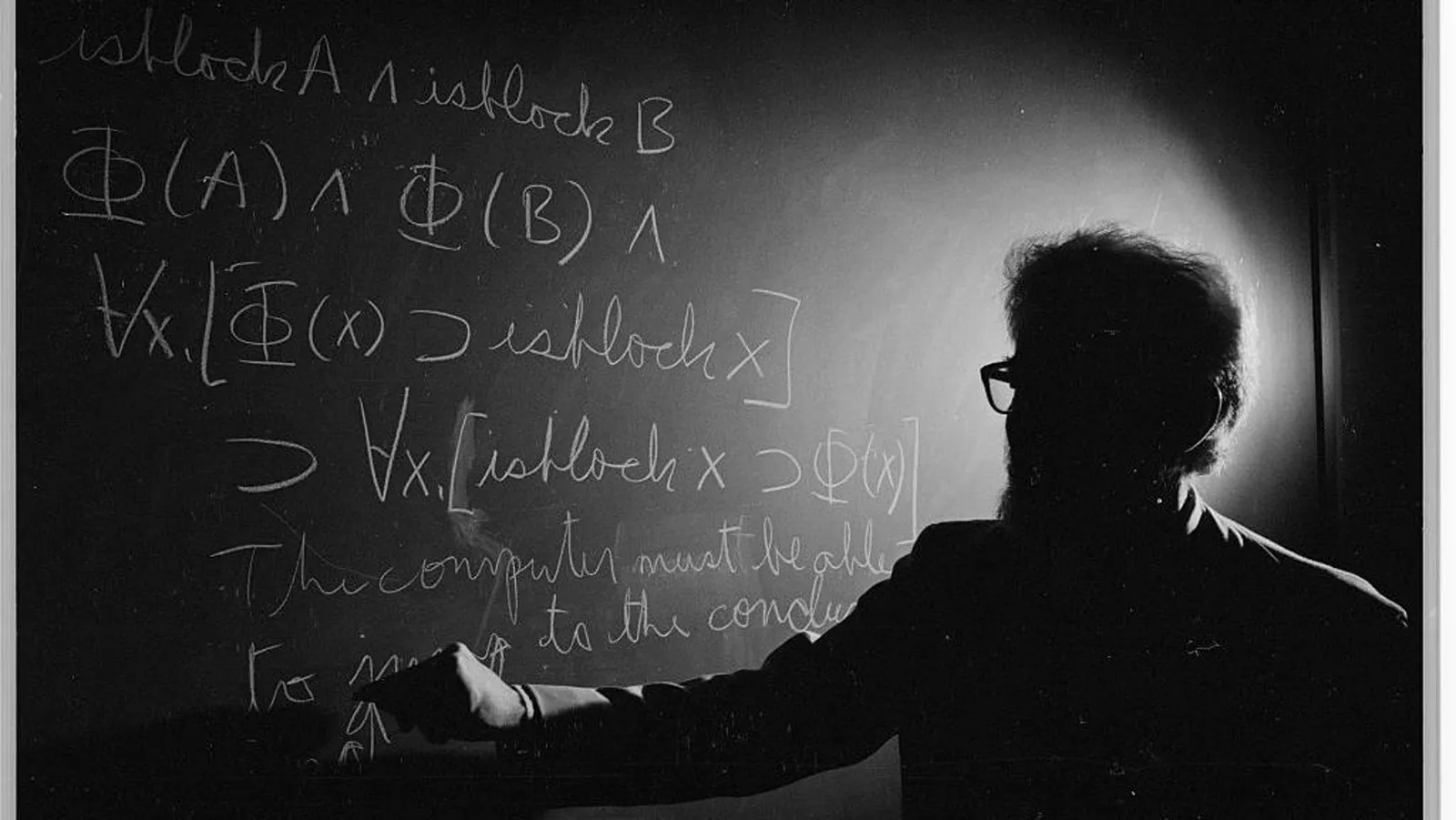
An MIT PhD student and two California professors used GPT-5.6 Sol Ultra to reach the same discovery independently and simultaneously, reopening debate over scientific credit.
By analysing hundreds of modern genomes, the model points to a possible 'ghost lineage' of human ancestors shared by everyone.
Camera traps in Borneo's forest captured unusual images of the Sunda clouded leopard, an elusive species.
Scientists show that a plant species with sticky hairs digests insects, confirming a hypothesis Darwin put forward in 1875.
A Singapore team fitted cyborg cockroaches with a waterproof suit, controlling them remotely for three hours underwater.
Analysing 97,220 responses across 66 countries, researchers identify five community factors linked to happier societies.
Nscale has signed a deal to provide computing infrastructure to three British universities for AI research.
At its Llantrisant plant, the Royal Mint extracts gold from used phone circuit boards to make jewellery.
NASA's Astronomy Picture of the Day: details of cometary knots in the Helix Nebula, about 650 light years away.
Superblocks can now be embedded in AWS customers' private clouds, decoupling apps from the underlying AI models.
According to the company, OpenAI's Astra model solved ten mathematical problems that had remained open for years.
In the month analysed, solar outpaced all other sources in Portugal's electricity generation, according to grid operator REN.
JWST has identified over 300 'Little Red Dots' since 2024; a new one may be caught in an early stage of formation.
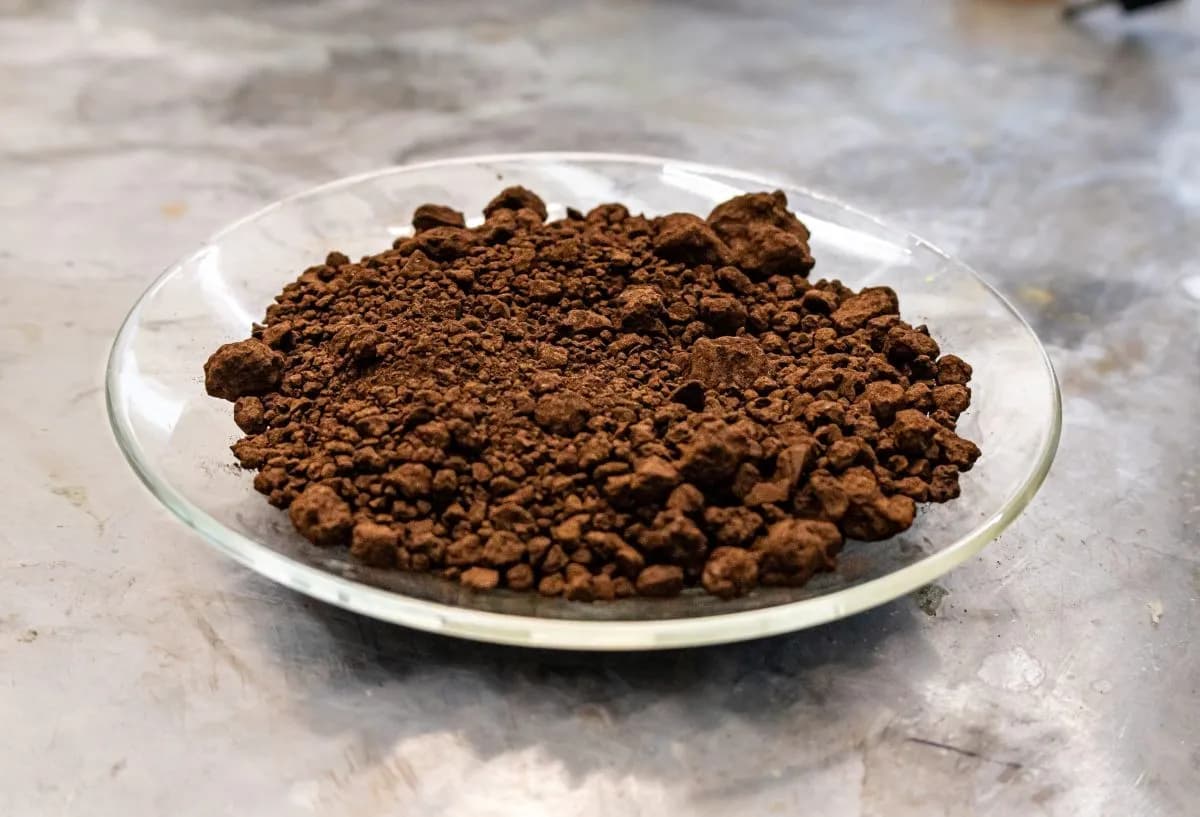
Fast Metals has developed a process that treats the billions of tonnes of caustic waste from aluminium production to recover critical minerals.
Rabat's Royal Theatre, with its complex curves, opens as a posthumous work by the celebrated architect.
The Very Large Telescope observes a possible moon orbiting a brown dwarf that itself orbits a red dwarf star.
A study estimates a linguistic 'golden age' linked to agricultural settlement, followed by decline.
Nepal's tiger count now stands at about 429, up by a fifth on the previous census.
San Marco pharmacy archive reveals an elixir with ingredients similar to the well-known drink, historians say.
Alibaba, ByteDance, Baidu and Tencent offer AI tools used by hundreds of millions of Chinese school leavers.
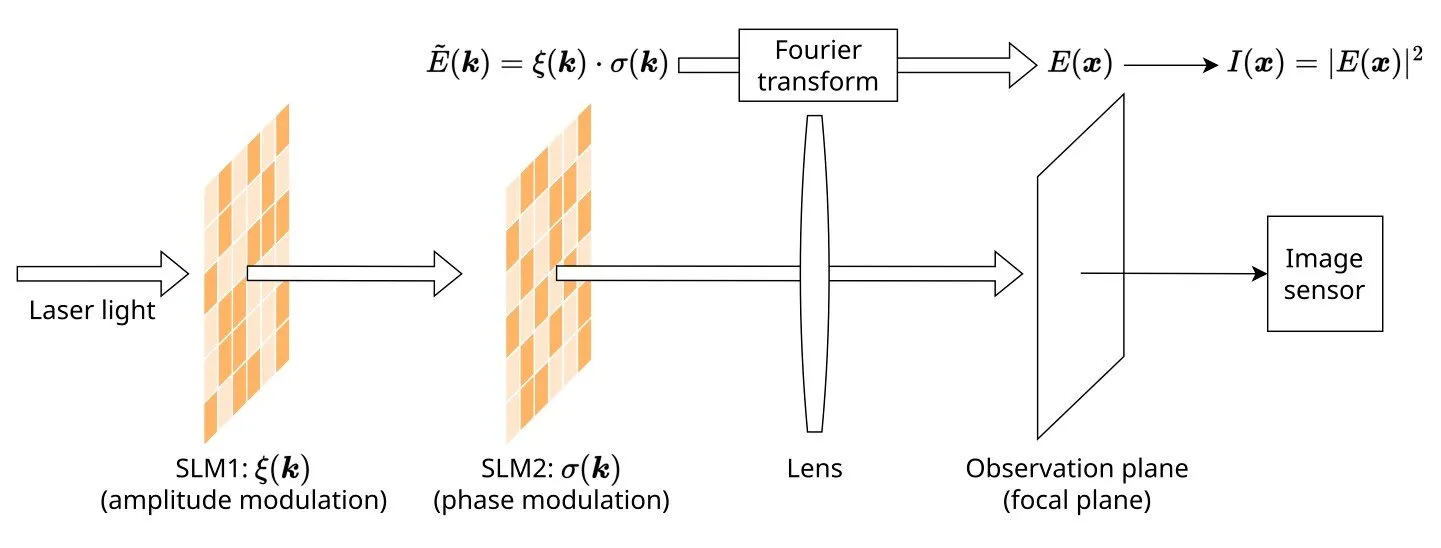
Researchers show that repeated distance patterns allow optical systems to tackle large-scale optimisation problems.
A new physics experiment has verified general relativity's predictions on gravity with high precision.
28 specimens of Ravenea latisecta found in four protected areas of the Andasibe-Mantadia region, after nearly 100 years without sightings.
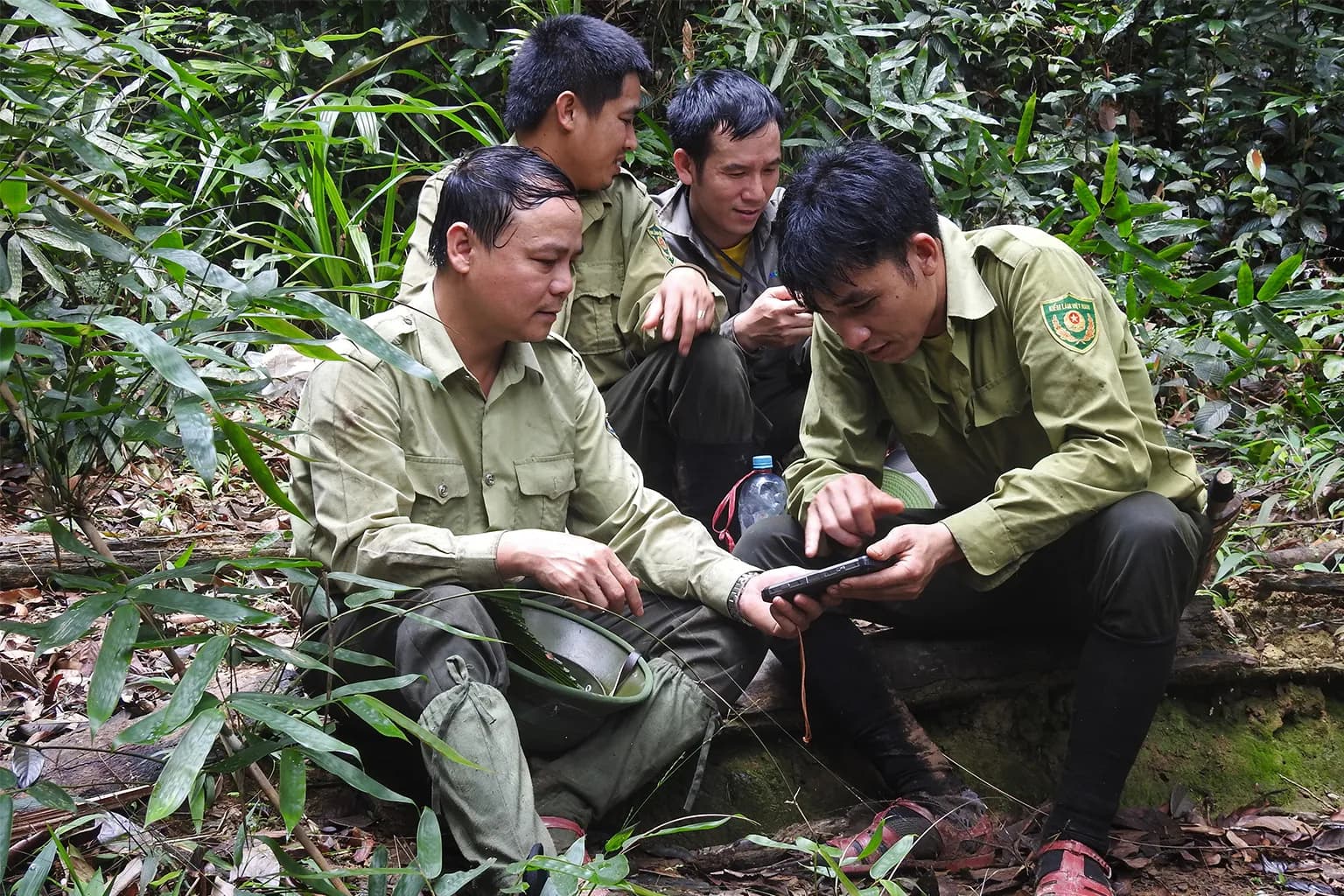
At Pu Mat National Park, an anti-poaching unit set up in 2018 combines hi-tech tools with patrols to protect wildlife.
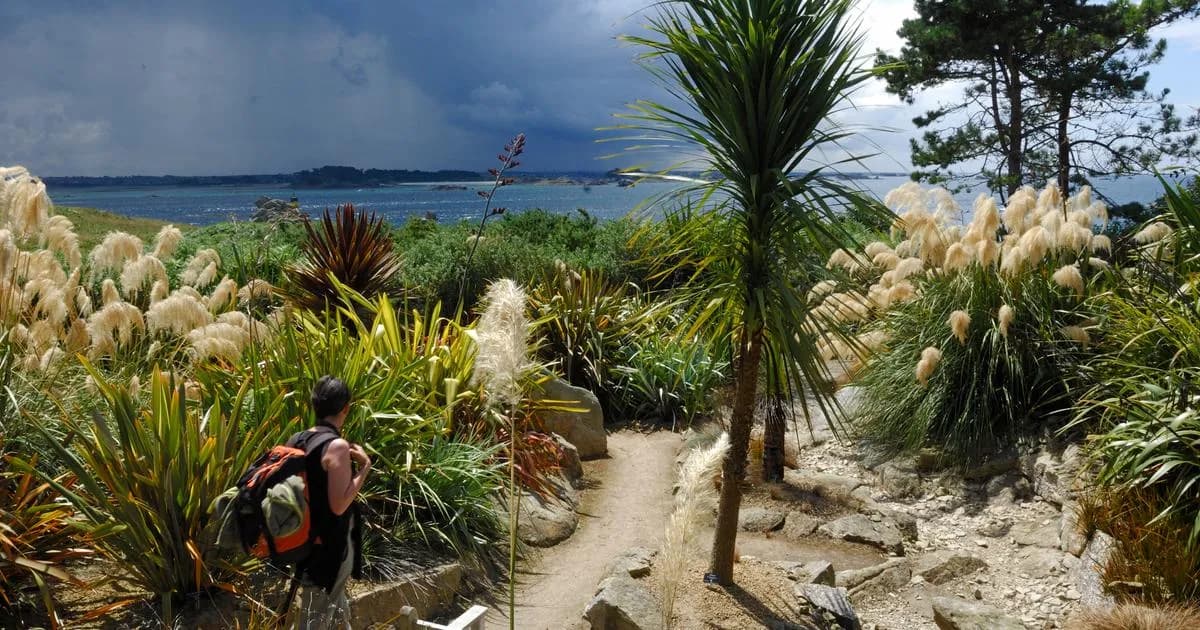
On the island of Batz, the Georges-Delaselle garden holds exotic plants brought by sailors from around the world.
Two large meteors were spotted within days over New Zealand's North and South Islands, with sonic booms heard on the ground.
Research suggests tens of thousands of distinct languages were spoken in a linguistic golden age, which later declined.
Newly discovered figurines suggest abilities that helped Homo sapiens expand across Ice Age Europe.
Among 7,704 employees, wellbeing was higher for remote workers (4.22) than onsite staff (3.89); turnover stood at 7.8% vs 8.8%.